
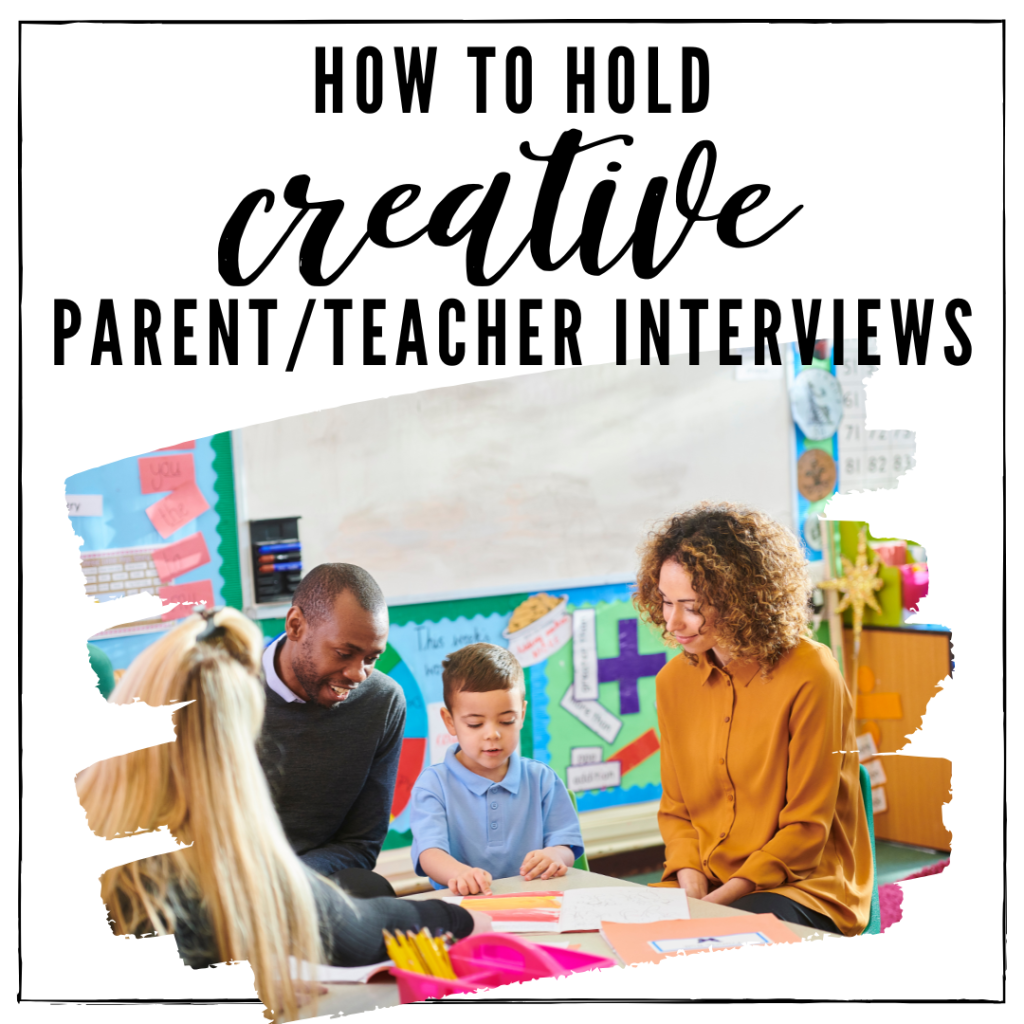
Let’s be honest: the phrase “parent-teacher interviews” can strike fear into the hearts of even the most confident teacher. You’re typically allotted a non-negotiable, tight timeframe (often only 10 to 15 minutes) to summarise weeks of progress, deliver sensitive feedback, and establish a meaningful, trusting relationship. It’s a logistical challenge layered with emotional stakes.
But here’s the secret: when you master the structure and strategy of the traditional conference, you transform those few minutes from a nerve-wracking report delivery into a highly focused, collaborative planning session.
I will walk you through the essential steps to prepare, execute, and follow up, ensuring you exit every interview feeling confident, professional, and successful. Get ready to turn that brief encounter into a powerful partnership.
SETTING THE STAGE: PREPARATION AND LOGISTICS MASTERY
Slaying the traditional interview starts long before the first parent arrives. Your preparation should be so meticulous that the interview itself feels effortless and entirely focused on the student. This phase is all about organisation, mindset, and creating a psychologically safe environment.
Structure is Your Superpower
In a traditional format, time management is paramount, and providing clear structure ensures you hit all key points without wasting a second. It is helpful to provide a meeting agenda or specific talking points rather than just showing up and winging it.
Create a simple agenda with talking points to set expectations. If you provide this beforehand to parents, it also helps them prepare their own questions and demonstrates your professionalism. A great structure includes a welcome and time for quick introductions and setting a positive tone. Follow this with a “glows” or strengths review where you share specific evidence of what the student does well. Next you can speak to a “grows” or goal-setting collaboration for shared discussion on an area for improvement and co-creating a solution. Finally, be sure to include time for an action plan and next steps for finalising commitments and scheduling follow-up.
The comfortable setting is also crucial for breaking down physical barriers. While you may be constrained to your classroom, you can strategically adjust the physical dynamic by moving away from the big teacher desk if possible, as the desk can act as a barrier. Instead, arrange chairs around a small, circular table, or even use the student’s own desk if age appropriate. This change in physical setup immediately creates a less intimidating, more egalitarian atmosphere that fosters open communication.
Managing the waiting game is another important consideration, as you need to recognise that parents may have to wait. Post a clear schedule outside your door and offer simple, non-disruptive activities in the waiting area, such as a sample of student work that’s been anonymised or a short printout explaining a key classroom philosophy like your approach to homework or grading. This respects their time and starts the learning conversation immediately. Be sure to also post a sign outside the room letting parents know that it’s okay to knock at their scheduled time to ensure you stay on schedule!
The Prepared Folder for Instant Access to Insights and Evidence
Your organisational system should display that you are well prepared, so have a clear, organised folder or binder ready for each student before interviews begin. The folder should include essential documents such as a completed “Glow and Grow” sheet that serves as your internal talking points, a blank Collaborative Goal Setting Form that will be your final output, the student’s most recent progress report or report card copy, and a brief student reflection sheet if you had the student complete one ahead of time.
Always have at least one specific, tangible piece of student work that illustrates your main point, which could be a marked rubric, a specific test, or a completed assignment, as this evidence of learning provides the visual component that makes your points concrete and allows parents to see what you are speaking of in real-time.
When it comes to visualising progress rather than just grades, include at least one powerful visual aid for every student, as raw letter grades can lack clarity, while visuals illustrate progress. You may want to use a Growth Graph to visually chart a student’s progress on a key skill over time, such as scoring on three major essays, which illustrates growth and effort. Another option is to use effort versus achievement language to discuss the student falls, providing a way to open a discussion about work habits versus ability.
It’s also important to involve the student with a pre-interview reflection; even if the student isn’t present, their voice should be in the room. Have the student complete a simple reflection sheet answering prompts such as “my greatest strength as a learner is…”, “the thing I need the most help with in this class is…”, or “my goal for the next two months is…” Student voice often helps ground the conversation and prevents the teacher from doing all the talking.

BUILDING TRUST AND DELIVERING HIGH-IMPACT FEEDBACK
Diving into the actual execution of the interviews. Once parents and guardians enter the class, the focus shifts to relationship building and strategic communication. This is where you transform data delivery into a collaborative planning session.
Making Introductions and Starting Positive
Start with warmth and professionalism by briefly introducing yourself and sharing a quick, positive anecdote about the class as a whole. If you are comfortable, you can also briefly mention your experience or how long you have been teaching. This builds trust by establishing your professional credibility and setting a positive tone. However, you should avoid overwhelming parents with unnecessary jargon and instead use clear, concise language.
Always lead with a “glow” by sharing positive feedback first, beginning with one specific, documented success about the student. For example, “Katie has shown amazing leadership skills when working in small groups, particularly when she helped her team organise their research notes”. This approach is crucial for building a strong relationship and ensuring parents feel supported rather than defensive.
Asking the Right Questions to Gain Insight and Clarity
A successful interview involves as much listening as talking, so use open-ended questions to gain vital insight into the student’s home life and personality, as your role is to facilitate a productive dialogue. It’s important to consider the parents’ perspective and expertise by treating parents as the ultimate subject matter experts on their children.
Start the collaborative part of the interview by asking high-leverage, non-judgmental questions that genuinely seek information. For example, you might want to ask about what motivates the child at home, how they typically approach challenges, or what parents’ greatest hope for their child is for the school year.
Use these questions to bridge home and school by connecting your classroom observations to the home environment. For instance, if a student is quiet in class, you may want to ask if parents see them engaging in lively discussions at home with family members. This helps you understand if the classroom is the issue or if it’s just their personality.
Personalising Feedback Using the “Glow and Grow” Strategy
When discussing areas for improvement, or “grows,” ensure your feedback is specific, actionable, and focused on skill development. Avoid vague statements like “Katie needs to participate more.” Instead, frame the challenge as a skill to be developed, such as “to improve her revision skills, Katie needs to commit to reading her work aloud before turning it in”. This moves the focus away from a fixed failure and toward a growth mindset.
Every single challenge should come with a specific, actionable recommendation for the home environment that complements your classroom strategy, serving as homework for the parent. This ensures they leave feeling equipped, not just informed. For example, you could ask if they are able to set aside 15 minutes each night to read with their child and ask specific comprehension questions. These tailored takeaways create clear action steps that bridge what happens in the classroom with what can be supported at home.

HANDLING CHALLENGES AND FINALISING THE ACTION PLAN
The final few minutes of the interview are often the most important. This is where you address concerns, finalise the plan, and solidify the partnership.
Handling Challenges and Addressing Concerns with Grace
If parents bring up a specific concern or challenge, whether it’s related to curriculum or something happening in the social sphere, approach it collaboratively and professionally. Listen actively and validate their feelings without needing to immediately solve the problem, using phrases like “I understand why that would be frustrating for you” or “that is a very important piece of information, and I will be looking out for that”. Statements like these help to immediately de-escalate tension.
Embrace parents’ suggestions by inviting them to actively contribute to solutions. Use their suggestions (as long as appropriate and relevant) as part of your action plan. This helps make the process collaborative.
Of course, you also need to know when to defer, because if the issue is more complex, such as a suspected learning disability, a bullying complaint, or a long-term behavioural issue, you should not try to solve it in a short, 15-minute window. Instead, let parents know that you would like to discuss further and suggest scheduling a 30-minute follow-up phone call or meeting. You can also loop in school administrators, counsellors, consultants, or so on as necessary. This protects your schedule and also ensures the issue gets the dedicated attention it deserves.
Collaborative Goal Setting for Shared Responsibility
The interview should conclude with a clear, shared, and documented action plan. This is your Collaborative Goal Setting Form.
Ensure that the final goal is Specific, Measurable, Achievable, Relevant, and Time-bound (SMART), keeping it simple and focused on one key skill. An example of a SMART goal would be “by the end of November, Katie will independently use her visual rubric to check her work before turning in every math assignment.”
Detail the shared roles and commitment on your form by outlining what the student will do, such as “use my planner every night to check homework,” what the parent will do, such as “check the planner for 5 minutes after dinner,” and what the teacher will do, such as “provide a 2-minute check-in with Katie every Tuesday to reinforce rubric use.” This approach ensures everyone leaves with clear responsibilities and a unified plan moving forward.
Follow Up to Cement Partnership and Accountability
The follow-up is the ultimate professional move that demonstrates continued commitment and ensures accountability, extending the impact of your 15-minute investment at the initial interview. Send a brief email immediately after the interview or the next morning with the main points summarised, attaching a scan of the signed Collaborative Goal Setting Form. This provides a professional paper trail and ensures everyone is on the same page.
End the meeting by setting a simple, firm follow-up check-in, which does not have to be another formal meeting, but instead could be a quick email or phone call in three weeks, demonstrating continued commitment and ensuring accountability on the shared goal.
If the student is successful at the check-in, contact the parent again to share the good news, as this maintains the positive momentum and reinforces the effectiveness of your partnership, making future communications easier.

CONFIDENCE THROUGH COLLABORATION
Parent-teacher interviews don’t have to be daunting. By treating the traditional format as a structured opportunity for collaborative planning, you turn those brief moments into the most impactful time you spend with a student’s family.
Your preparation provides the structure, your active listening builds the relationship, and your focus on shared, actionable goals ensures a productive outcome. Armed with knowledge, curiosity, and a perfectly organised folder, you are ready to build strong relationships and make a profound, positive impact on your students’ education.
Go forth and slay those interviews!
ENJOYED THIS? HERE ARE SOME OTHER BLOG POSTS ON KATIE IS A TEACHER YOU MAY LIKE:

WANT EVEN MORE? HERE ARE SOME KATIE IS A TEACHER RESOURCES YOU MAY BE INTERESTED IN: