

Consider the traditional parent-teacher interview. You and a set of nervous parents crammed across a small desk, frantically summarising a term in 15 minutes. This can be a flawed system for many families, students, classes, and teachers. It creates anxiety, limits collaboration, and often fails to capture the vibrancy of a student’s learning journey.
If you’re ready to scrap the rigid appointment schedule and the formal confrontation of the desk, you’re ready for a change in format. The most impactful creative shift you can make isn’t what you say, but how and where you host the conversation.
By moving toward student-centered, interactive models like the Gallery Walk or Student-Led Conference, you transform the meeting from a report delivery into a celebration of learning and a genuine home-school partnership.
This comprehensive guide presents seven innovative formats that break the mold, ensuring your next parent-teacher event is engaging, memorable, and highly productive for everyone involved.

A FOUNDATIONAL SHIFT: FORMAT MATTERS
When teachers search for parent engagement strategies or innovative conference ideas, they often focus on talking points. But the format controls the flow of information, the level of anxiety, and the sense of shared ownership.
Non-traditional conference formats, especially those involving movement and visuals, reduce anxiety because they feel less like a performance review and more like a collaboration. These models inherently center the student by requiring their work or presence, which gives them genuine agency and ownership over their learning progress.
When the initial facts such as grades and attendance are presented visually or through student work, deeper conversations are encouraged because the remaining time can be dedicated to problem-solving and goal setting. Additionally, parent attendance often increases at events that are interactive and showcase student work, as parents tend to view these as a more valuable use of their time.

THE STUDENT-LED CONFERENCE (THE ULTIMATE IN AGENCY)
Student-led conferences are considered the gold standard for involving students and are arguably the most powerful way to conduct interviews, particularly for middle grades and beyond. In this model, the teacher acts as the facilitator and coach, ensuring the student is prepared to run the show.
During the preparation phase, students spend time creating a learning portfolio, which can be either physical or digital. This portfolio must include specific, reflective pieces. For example, a piece they are proud of, a piece that shows struggle and growth, and a completed self-assessment reflection form covering academic effort, habits, and future goals are all great pieces to include.
When the conference begins and parents arrive, the student takes the lead. They greet the parents, guide them through their portfolio, explain their greatest academic successes (which are referred to as “Glows”), discuss their current challenges and growth mindset (referred to as “Grows”), and present their prepared goals.
Throughout the conference, the teacher’s role is to circulate or sit nearby, offering minimal input unless asked to clarify data or if the conversation needs redirecting. The teacher’s main responsibility is to add a brief, high-level summary and facilitate the final collaborative goal-setting phase, ensuring the goals are SMART (Specific, Measurable, Achievable, Relevant, and Time-bound) and actionable.
THE LEARNING GALLERY WALK (FOR MAXIMUM VISUAL ENGAGEMENT)
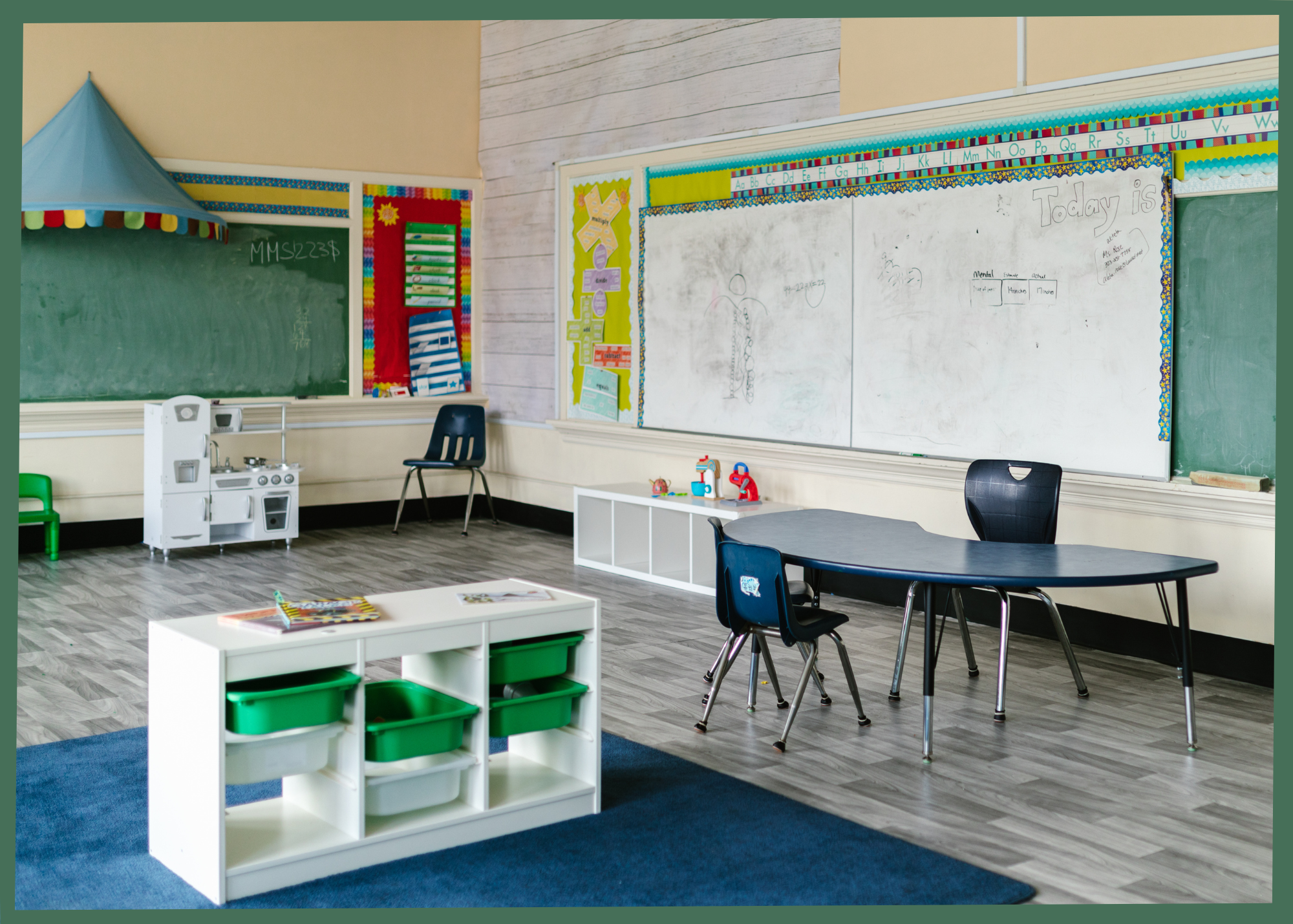
The Gallery Walk format is perfect for maximizing time efficiency, showcasing work to multiple families simultaneously without direct discussion, and ensuring every student’s work is celebrated.
In the preparation phase, both the teacher and students work together to set up the event. Students select one or two pieces of anonymous work to display, or perhaps create a visual representation of their data, such as a chart showing their personal reading growth over the quarter. The teacher posts QR codes that link to common resources or videos throughout the classroom.
During the walk itself, parents arrive during a scheduled block of time in an open house style. They are given a guided sheet with discussion prompts and circulate through the classroom as if they were visiting an art gallery. As they move through the space, they look at student work, read anchor charts, and scan the QR codes for additional information.
To facilitate more personalized conversations, the teacher strategically places themselves at one or two designated “data stations” throughout the room. Parents who wish to discuss their child’s specific, identified challenges or data points can visit the teacher’s station for a brief, personalised chat lasting for a few minutes (think somewhere between five and ten minutes). This approach reserves the teacher’s time for targeted, high-value conversations with families who need or want more individualised attention.
This format offers several key advantages. Parents get to see the full range of work produced by the entire class, not just their own child’s work, which provides valuable context and perspective. Additionally, parents are given talking points on their guided sheet that they can use to discuss the work with their child later, which allows the conversation to extend beyond the classroom and continue at home. Finally, this approach utilises the classroom environment itself as a learning tool, transforming the physical space into an interactive and informative experience.

THE THREE-STATION ROTATION (BOTH TARGETED AND EFFICIENT)
The Three-Station Rotation breaks the interview into focused, manageable chunks, ensuring that all critical areas (such as data review, student reflection, and goal setting) are covered efficiently. In this model, parents are guided to rotate through three specific stations in quick intervals lasting between five and eight minutes, which ensures that every key area is addressed succinctly.
At the first station, called something like the “Data Dashboard”, the focus is on reviewing grades, attendance, and assessment scores using visual charts, with growth graphs working particularly well for this purpose. This station can be managed by the teacher, but it often works well with pre-printed data sheets or a pre-recorded video to clarify factual data points, which frees up the teacher for other tasks. The primary output of this station is that parents gain clarified factual data points about their child’s performance. Make sure if you are using pre-printed sheets or a QR code to access grades that you ensure no child’s personal data, name, and so on, can be accessed by anyone except their own parents or guardians.
At station two, the “Work Showcase”, focus on reviewing the student’s prepared portfolio of work samples and reflections, which provides evidence of learning. This station can be facilitated by the student if they are present, or alternatively by a detailed, labeled display of the student’s work. The output of this station is that parents see concrete evidence of their child’s learning and growth.
The third station, which you can title something along the lines of “Collaborative Goal Setting”, focus on discussing the student’s key challenge and co-creating a SMART goal, which is where the teacher’s direct expertise is most valuable. This station is facilitated by the teacher, and the output is a written action plan with a follow-up date clearly established.
For successful implementation, it’s important to note that the tight timing and clear structure of the rotation mean you’ll need a clear visual timer and gentle, consistent cues to keep the flow moving smoothly. This approach allows you to manage a larger number of families effectively while ensuring each receives focused attention at every station.

THE SPEED MEETING MODEL (FOR BRIEF, BUT FOCUSED, CHECK-INS)
For grade levels or systems that require many quick check-ins across multiple subject areas, the Speed Meeting model is fast, organised, and ensures everyone gets the key message without getting bogged down in specifics. It’s like speed dating, but not weird and actually appropriate for school.
In this format, multiple topic tables are set up around the room, and parents choose the tables most relevant to their needs, spending approximately five minutes at each one.
For example, at a Literacy Table, the focus is on reviewing writing samples, discussing reading level, and sharing at-home reading strategies that parents can use to support their child. A Numeracy Table can act to focus on reviewing specific procedural or conceptual gaps, often using quick visuals of problem-solving methods to illustrate areas of strength and growth. At a Behaviour or SEL Table, the focus is on work habits, time management, classroom social skills, or emotional regulation, addressing the non-academic factors that impact learning.
This model offers several distinct advantages. Parents only spend time on the areas they are genuinely concerned about, making the experience more efficient and personalised to their needs. Teachers who specialise in particular subject areas can host the table for their expertise across all classes, which maximises their knowledge and ensures consistent, high-quality information. Additionally, the tight time limit keeps the conversations highly focused and specific, preventing discussions from wandering into less productive territory.

THE DIGITAL CHECK-IN PRE-CONFERENCE
Before any meeting takes place, you should ensure that parents have reviewed the basic facts about their child’s progress. Using digital tools to offload the information delivery frees up your face-to-face time for meaningful collaboration rather than simply presenting data.
In this approach, you send parents a digital pre-check-in package approximately one week before the scheduled event. The package might include a video report, which is a two-minute screencast video where you briefly walk through the student’s online grade book and highlight two key pieces of data. This prevents you from having to deliver basic facts during the limited conference time, allowing that precious in-person time to be used more productively.
The package could also include a parent reflection form, which is a brief Google Form asking parents to reflect on specific questions such as “after reviewing the video, what is your primary question for me?” or “what is one thing you already know is challenging for your child?”
If you are less “tech-y” you may also want to send parents an email or PDF with specific instructions and links for accessing things such as student grades, attendance, feedback from a specific assignment, or a teacher report on progress. A written email rather than a video can also be helpful for parents who are not fluent English speakers, as they can copy and paste into translation applications.
The result of this pre-conference preparation is significant. By collecting this information before the conference, you walk into the meeting already knowing the parent’s perspective and priorities. This allows you to bypass the initial pleasantries and surface-level updates, enabling you to dive straight into problem-solving and collaborative goal setting where your expertise and the parent’s insights can be most effectively combined.

THE ONE-PAGER COLLABORATIVE GOAL TOOL
Regardless of the dynamic format you choose for your parent-teacher conferences, the output must be a shared, tangible artifact that all parties can reference and use moving forward. This simple document formalises the partnership between home and school and creates accountability for everyone involved.
The collaborative one-pager is a simple, visually appealing one-page document that is completed together during the conference and signed by all parties, including the teacher, parent, and student (if they are present). This document serves as your shared contract and commitment to the student’s success.
In the document, I suggest including five key components:
- The Glow which identifies one key student strength
- The Grow which names one specific skill or area to work on
- The SMART Goal which establishes a measurable objective that can be either academic or behavioural in nature
- The Shared Commitment which outlines a clear action for each party (the student, parent, and the teacher)
- The Follow-Up Plan which sets a specific date or method for a check-in, such as an email on a particular date
This approach works effectively for several important reasons. The document simultaneously serves as the agenda for the meeting, the record of the discussion, and the action plan for the future, fulfilling multiple purposes with a single tool.
Most importantly, it ensures that the meeting ends on a note of joint commitment rather than just information delivery, transforming the conference from a one-way report into a collaborative partnership focused on the student’s growth and success.

WRAPPING IT UP: TRANSFORMATIONAL ENGAGEMENT STARTS WITH YOU
Moving your parent-teacher interviews beyond the desk is the single most powerful way to signal to families that you view them as essential partners in their child’s education.
Whether you choose the efficiency of the Learning Gallery Walk, the agency of the Student-Led Conference, or the focused nature of the Three-Station Rotation, you are choosing to prioritise collaboration and student voice over routine. These formats are not just creative, they are highly effective strategies for maximising the impact of your limited time and forging a stronger home-school connection.
Choose the format that best suits your grade level and school culture, dedicate time to coaching your students, and watch as these vital meetings transform into truly positive and productive learning events.
Which alternative conference format will you pilot for your next round of interviews?
ENJOYED THIS? HERE ARE SOME OTHER BLOG POSTS ON KATIE IS A TEACHER YOU MAY LIKE:


WANT EVEN MORE? HERE ARE SOME KATIE IS A TEACHER RESOURCES YOU MAY BE INTERESTED IN:


 katieisateacher.com