
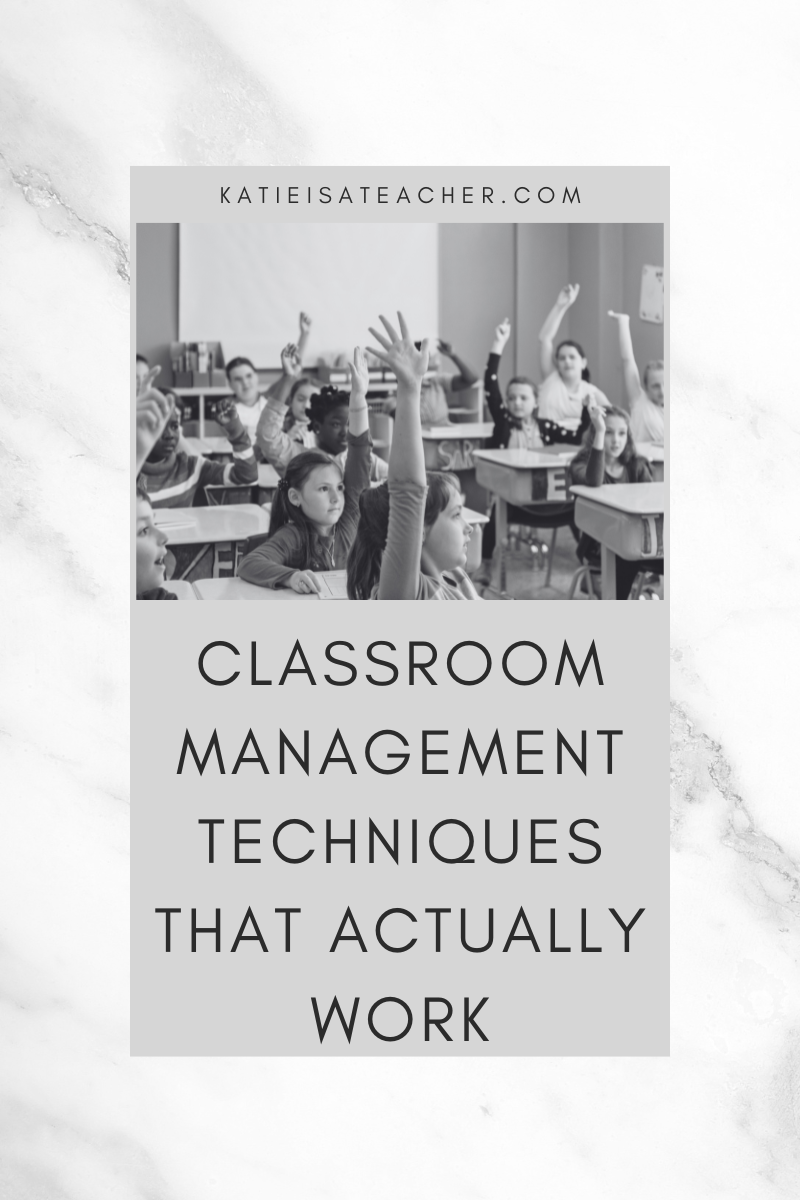
Are you tired of trying the same old classroom management techniques that seem to have little effect on your students? Fed up with the endless battles over behaviour and engagement?
It’s time to shake things up and discover a whole new world of teaching strategies that will leave you and your students shocked (in a good way, don’t worry). In this post, we will dive into the realm of unconventional classroom management techniques that have been proven to be highly effective in establishing a well-managed and engaging classroom.
Get ready to revolutionise your teaching approach and witness a transformative impact on student behaviour and engagement. This is your chance to break free from traditional methods and create an environment that fosters growth and learning. Say goodbye to the status quo and prepare to be amazed.

CREATING A POSITIVE CLASSROOM CULTURE
One of the keys to effective classroom management is creating a positive classroom culture. When students feel safe, supported, and valued, they are more likely to be engaged and motivated to learn. In this section, we will explore some strategies for fostering a positive classroom culture that will transform the learning environment and improve student behaviour and engagement.
One strategy for creating a positive classroom culture is to establish clear expectations and routines from day one. When students know what is expected of them and understand the daily routines, they feel more comfortable and confident in the classroom. Take the time to explain the rules and procedures to your students, and consistently reinforce them throughout the year. This will help create a sense of structure and predictability, which can lead to a more positive and productive learning environment.
Another important aspect of building a positive classroom culture is promoting a sense of community and collaboration. Encourage your students to work together and support one another. Opportunities for group work, class discussions, and cooperative learning activities can foster a sense of belonging and create a positive social dynamic within the classroom. Consider incorporating team-building exercises and icebreaker activities to help students get to know and trust one another. When students feel connected to their peers and their teacher, they are more likely to actively participate and engage in the learning process.
In addition to setting clear expectations and promoting collaboration, it is crucial to provide regular feedback and recognition to your students. Positive reinforcement can be a powerful motivator and can help build a positive classroom culture. Take the time to acknowledge and celebrate both individual and collective achievements. This can be as simple as giving verbal praise, displaying student work, or creating a recognition board in the classroom. By highlighting and appreciating the efforts and accomplishments of your students, you are sending the message that their hard work is valued and recognised.
Building a positive classroom culture takes time and effort, but the results are well worth it. When students feel safe, supported, and valued, they are more likely to be engaged, motivated, and willing to take risks in their learning. By implementing the strategies discussed in this section, you can create a classroom culture that fosters growth, collaboration, and a love for learning. So, get ready to transform your teaching approach and witness the incredible impact it has on your students’ behaviour and engagement.

IMPLEMENTING INTERACTIVE LEARNING
By implementing interactive learning techniques, you can further enhance student engagement and participation in the classroom. When students are engaged and participating, they are far less likely to be off task or engaging in things they should not be.
Interactive learning involves creating opportunities for students to actively engage with the learning material, rather than passively receiving information. This can be done through activities such as group discussions, debates, hands-on experiments, simulations, and role-plays. By incorporating interactive elements into your lessons, you are encouraging students to think critically, express their ideas, and collaborate with their peers.
Utilising technology to enhance engagement is another effective strategy to consider. The use of educational apps, online platforms, and interactive whiteboards can provide students with a more immersive and interactive learning experience. These tools can help make abstract concepts more concrete, engage students through multimedia content, and provide immediate feedback on their progress. By integrating technology into your classroom, you can create a dynamic and interactive learning environment that fosters curiosity and exploration.
Implementing interactive learning not only increases student engagement, but it also helps develop essential 21st-century skills such as communication, collaboration, and problem-solving. As students actively participate in their learning, they become more confident in expressing their ideas and working effectively with others. This not only benefits their academic growth but also prepares them for success in the future.
With the foundations of clear expectations, collaboration, feedback, and recognition in place, along with the implementation of interactive learning techniques, you can now explore the next section on utilising technology to enhance engagement. By incorporating technology into your classroom, you can further enhance student motivation and create a learning environment that is dynamic, interactive, and responsive to individual needs.

UTILISING TECHNOLOGY TO ENHANCE ENGAGEMENT
One of the most effective ways to enhance student engagement in the classroom is through the strategic use of technology. As noted above, when students are engaged in their work, your job managing the class becomes far easier as they are far less likely to be off-task.
By incorporating technological tools and resources, educators can create an immersive and dynamic learning environment that caters to the individual needs and interests of their students. Not only does this help boost motivation and active participation, but it also encourages the development of vital 21st-century skills that are essential for success in the modern world.
Technology offers a wide array of possibilities when it comes to engaging students in the learning process. From interactive whiteboards and educational apps to online collaborative platforms, there are numerous tools that can be utilised to make lessons more interactive and engaging. For example, instead of simply lecturing about historical events, teachers can incorporate virtual reality or augmented reality experiences to allow students to explore significant moments in a more immersive and hands-on manner.
Furthermore, technology can facilitate personalised learning experiences that cater to each student’s unique abilities and learning style. Adaptive learning software, for instance, can provide tailored content and activities based on individual performance, ensuring that students are challenged at their appropriate level. This level of customization not only enhances engagement but also promotes a sense of ownership and responsibility for their own learning journey.
Additionally, technology can facilitate communication and collaboration among students, fostering a sense of community and teamwork in the classroom. Online discussion forums, video conferencing tools, and collaborative document editing platforms allow students to connect and work together on projects, regardless of physical proximity. By providing opportunities for students to interact and collaborate with their peers, technology promotes social learning and helps develop important interpersonal skills.
Incorporating technology into the classroom not only enhances engagement but also prepares students for the digital landscape they will face in their future careers. By embracing technology as a tool for learning, educators can create an environment that is not only engaging but also relevant to the ever-evolving digital world.

PROMOTING STUDENT OWNERSHIP AND RESPONSIBILITY
In addition to the benefits of technology in promoting engagement and preparing students for the future, another crucial element to effective classroom management is promoting student ownership and responsibility. By empowering students to take ownership of their learning and behaviour, teachers can create a more collaborative and accountable classroom environment.
Encouraging student ownership starts with giving students a voice in their own education. Provide opportunities for them to make choices, set goals, and take responsibility for their own learning. This can be done through activities such as goal-setting sessions, student-led discussions, or project-based assignments where students have the freedom to explore their own interests and ideas. By giving students a sense of ownership over their learning, they become more engaged and motivated to succeed.
In order to foster a sense of responsibility, it is important to establish clear expectations and guidelines for behaviour in the classroom. Involve students in the process of setting these expectations, allowing them to provide input and suggestions. When students are actively involved in creating the rules, they are more likely to understand and respect them. Regularly revisit and reinforce these expectations, providing opportunities for students to reflect on their behaviour and make adjustments when necessary.
One effective way to promote student ownership and responsibility is through the use of self-assessment and reflection. Encourage students to regularly reflect on their progress and behaviour, and provide them with tools and guidelines to evaluate themselves. This not only helps students develop a sense of accountability, but also promotes critical thinking and self-awareness.
By promoting student ownership and responsibility, teachers can create a classroom environment where students are actively engaged in their own learning and behaviour. This sets the stage for the next section, which explores how involving students in setting expectations further enhances classroom management techniques.

INVOLVE STUDENTS IN SETTING EXPECTATIONS
By involving students in setting expectations, teachers can further enhance their classroom management techniques. When students have a say in establishing the rules and standards for behaviour and academic performance, they become active participants in creating a positive learning environment. This collaborative approach not only fosters a sense of ownership among students but also ensures that the expectations set are realistic and attainable.
Involving students in setting expectations also allows for open communication and fosters a sense of community within the classroom. When students have a voice in establishing the guidelines, they feel more understood and respected. This, in turn, leads to a greater sense of belonging and cooperation, as students feel that they are valued members of the learning community.
Furthermore, involving students in setting expectations provides an opportunity for educators to teach important life skills, such as negotiation and compromise. When students are part of the decision-making process, they learn how to express their opinions, listen to others, and find common ground. These skills not only benefit them in the classroom but also in various aspects of their personal and professional lives.
Incorporating student input into the expectation-setting process also encourages creativity and innovation. Students may come up with ideas and suggestions that educators might not have considered, leading to new and effective strategies for maintaining a well-managed classroom.
By promoting student ownership and responsibility, educators can create a classroom environment where students are actively engaged in their own learning and behaviour. This sets the stage for the next section, which explores how involving students in setting expectations further enhances classroom management techniques.
BE CONSISTENT
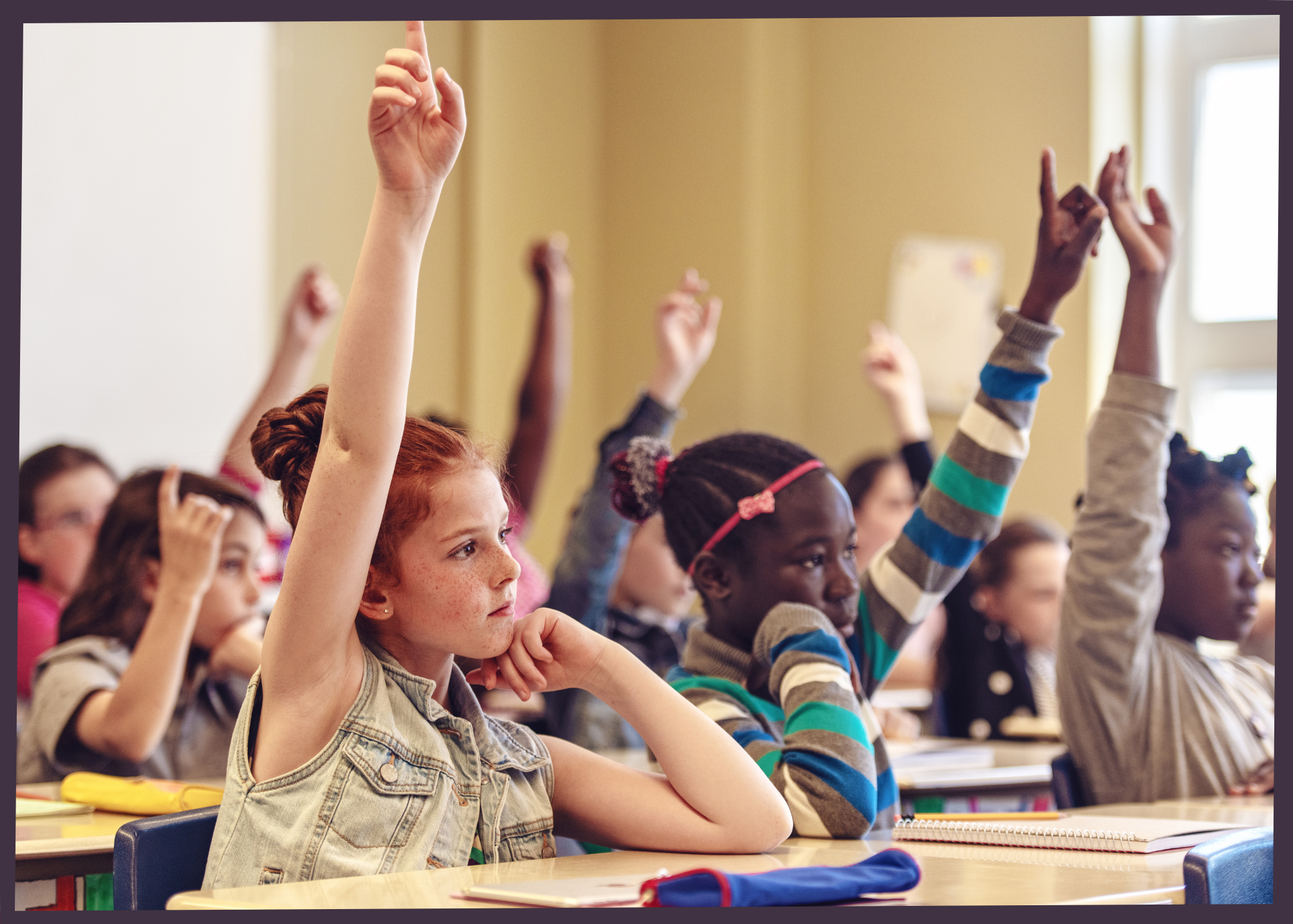
Consistency is a key factor in effective classroom management. When teachers consistently enforce expectations and consequences, students are more likely to understand and follow the rules. This creates a sense of predictability and stability within the classroom, allowing students to focus on their learning.
Consistency also helps to establish a safe and respectful learning environment. When students know that the rules are consistently enforced, they feel secure and are more likely to take risks, ask questions, and actively participate in class discussions. Conversely, inconsistency in enforcing expectations can lead to confusion and frustration, undermining the overall classroom management efforts.
Being consistent does not mean being rigid or inflexible. It means treating every student fairly and consistently applying the established rules and consequences. This approach fosters trust between the teacher and students, as they know what to expect and can rely on a sense of fairness. It also promotes a positive classroom culture, where students learn to respect each other and understand the importance of following the agreed-upon guidelines.
Consistency extends beyond enforcing rules and consequences. It also applies to other aspects of classroom management, such as routines and procedures. When teachers establish consistent routines for activities such as transitioning between lessons, handing out materials, or starting and ending class, students become familiar with the expectations and can participate smoothly. Consistency in these areas helps minimise disruptions and maximises instructional time.
Being consistent in classroom management techniques is essential for creating a well-managed and productive learning environment. Consistency builds trust, promotes a positive classroom culture, and allows students to focus on their learning. In the next section, we will explore how educators can accommodate the diverse needs of all learners in their classroom, further enhancing their classroom management strategies.

ACCOMMODATE ALL LEARNERS
Accommodating all learners is a crucial aspect of effective classroom management. Every student brings their own unique set of strengths, weaknesses, and learning styles to the classroom. As educators, it is our responsibility to create an inclusive environment that supports and engages every student.
One way to accommodate all learners is by differentiating instruction. By tailoring our teaching approaches to individual students’ needs, we can ensure that everyone is challenged at an appropriate level and has the opportunity to succeed. This might involve offering alternative assignments or providing additional resources for struggling learners, while also providing extensions and enrichment activities for those who excel.
In addition to differentiating instruction, utilising various teaching methods and materials can also accommodate the diverse needs of learners. Some students may thrive with visual aids, while others may prefer hands-on activities. By incorporating a mix of teaching styles and utilising a variety of resources, we can engage students with different learning preferences and ensure that everyone has the opportunity to learn in a way that resonates with them.
Furthermore, fostering a supportive and inclusive classroom culture is essential for accommodating all learners. Encouraging collaboration, respect, and empathy among students helps create an environment where everyone feels valued and safe to express their thoughts and opinions. Teachers can facilitate this by incorporating group activities, promoting peer-to-peer learning, and creating opportunities for students to share their unique perspectives.
By accommodating all learners, we not only support their individual needs but also create a classroom environment that promotes inclusivity and acceptance. This, in turn, helps to minimise disruptions and fosters a sense of belonging, ultimately enhancing our overall classroom management strategies.
In the following section, we will explore how highlighting positive behaviour can further contribute to an effective and well-managed classroom, reinforcing a positive classroom culture and motivating students to actively engage in their learning.
HIGHLIGHT POSITIVE BEHAVIOUR
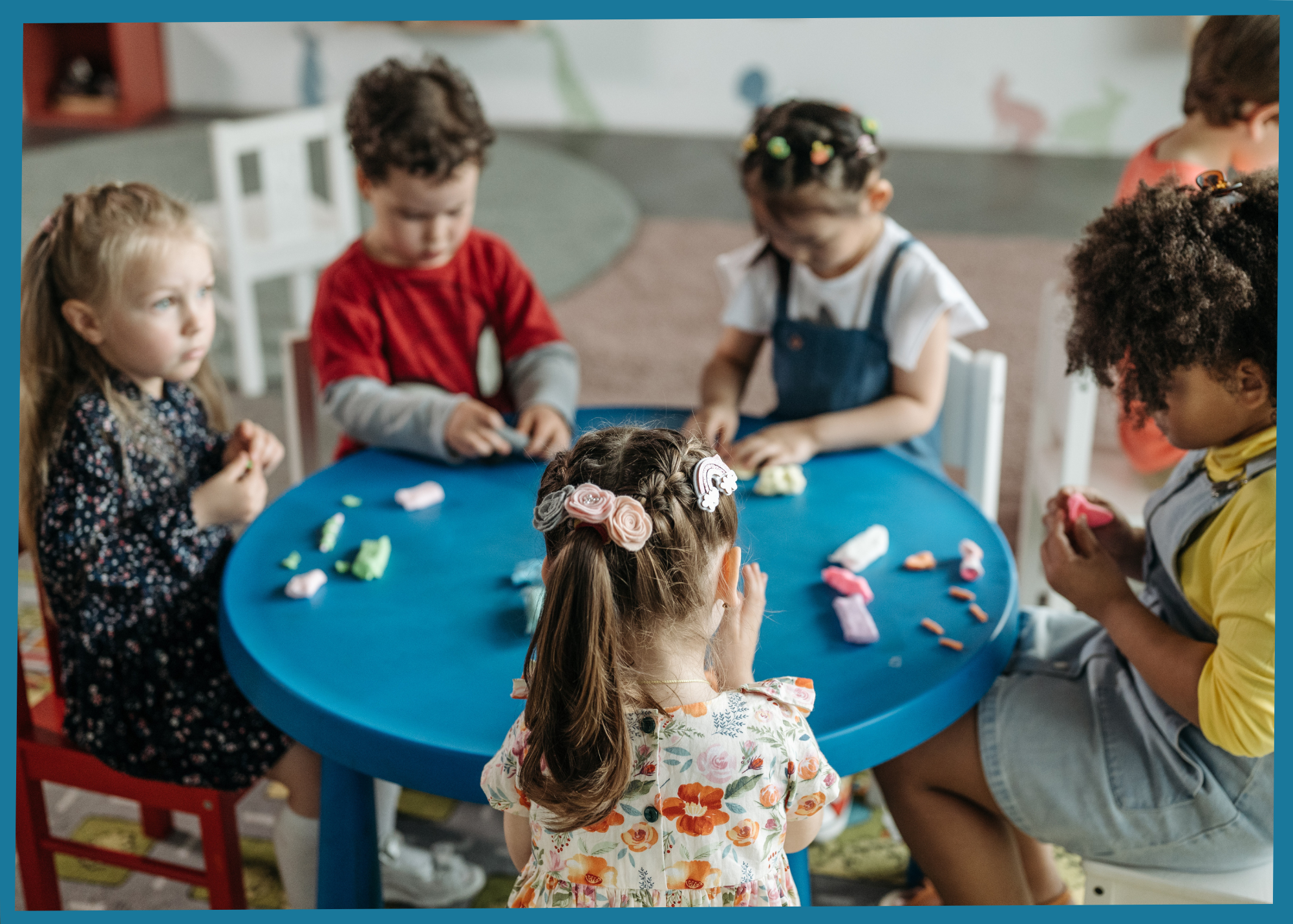
In the quest for effective classroom management strategies, we often find ourselves focusing on the negative behaviours we want to curb. While addressing and correcting these behaviours is undoubtedly important, it is equally crucial to highlight and reinforce positive behaviour in our students. By doing so, we can cultivate a classroom culture that celebrates success, motivates students, and fosters a nurturing learning environment.
When we actively highlight positive behaviour, we create a ripple effect throughout the classroom. Students become more aware of their actions and the impact they have on their peers and the overall classroom atmosphere. By publicly acknowledging and praising positive behaviour, we not only validate the efforts of the student involved but also provide a clear example for others to follow.
One effective way to highlight positive behaviour is through verbal and non-verbal reinforcement. Simple gestures such as a genuine smile, a thumbs-up, or a nod of approval can go a long way in recognizing and encouraging positive actions. Verbal reinforcement, whether it’s a quick “well done” or a specific mention of what the student did right, provides explicit recognition that reinforces the positive behaviour.
Another powerful way to highlight positive behaviour is through the use of a reward system. This can be as simple as a sticker chart or a more elaborate system that incorporates points or tokens. By tying rewards to positive behaviour, we give students an incentive to consistently engage in those behaviours. It’s important, however, to ensure that the rewards are meaningful and aligned with the individual interests and motivations of our students.
In order to maximise the impact of highlighting positive behaviour, it’s essential to establish clear expectations and criteria for what constitutes positive behaviour in your classroom. Take the time to explicitly teach and model these behaviours to your students, and create opportunities for them to practise and demonstrate them. This not only empowers students with the knowledge and skills they need to succeed but also sets a foundation for a positive classroom culture.
By consistently highlighting positive behaviour, we build a classroom culture that values cooperation, respect, and empathy. Students feel acknowledged and appreciated for their efforts, fostering a sense of belonging and motivation to continue exhibiting those positive behaviours. This, in turn, reduces disruptions, enhances overall classroom management, and creates an environment where students actively engage in their learning.
While it is necessary to address negative behaviours, highlighting positive behaviour is equally vital for effective classroom management. By doing so, we cultivate a classroom culture that celebrates success, motivates students, and fosters a nurturing learning environment. Through verbal and non-verbal reinforcement, a reward system, and clear expectations, we encourage and empower our students to consistently engage in positive behaviours. By highlighting positive behaviour, we create a ripple effect that enhances overall classroom management strategies and inspires students to actively participate in their own learning journey.

Incorporating strong classroom management techniques can truly revolutionise the learning environment. By creating a positive classroom culture, implementing interactive learning, utilising technology, promoting student ownership, and involving students in setting expectations, teachers can break free from traditional methods and experience transformative results.
Accommodating all learners and highlighting positive behaviour further enhance the impact. Embracing innovation fosters growth and learning, empowering both teachers and students. So take charge, step out of the ordinary, and create a classroom that sparks curiosity and engagement.
As Albert Einstein said, “Education is not the learning of facts, but the training of the mind to think.” Let’s train minds and reshape the future of education, one classroom at a time.
ENJOYED THIS? HERE ARE SOME OTHER BLOG POSTS ON KATIE IS A TEACHER YOU MAY LIKE:

WANT EVEN MORE? HERE ARE SOME KATIE IS A TEACHER RESOURCES YOU MAY BE INTERESTED IN:



 katieisateacher.com