
Imagine a world where the traditional classroom walls are replaced by sweeping landscapes and fresh air. Research has shown that integrating outdoor learning into education can have a powerful impact on academic performance and cognitive abilities.
I’ve written before about specific strategies to make outdoor education a fun and educational experience for you and your students. In this post, we’re going to focus on all the academic benefits that outdoor learning boasts!
In this post, we will explore how exposure to nature can enhance cognitive skills, improve critical thinking, promote problem-solving abilities, and provide real-world applications for students. There are so many ways in which we can get out of the classroom and ignite students’ creativity, so let’s dive in!
By embracing the power of nature in education, we can help students reach their full potential and cultivate a deeper connection with the world around them.
ENHANCED COGNITIVE SKILLS THROUGH NATURE
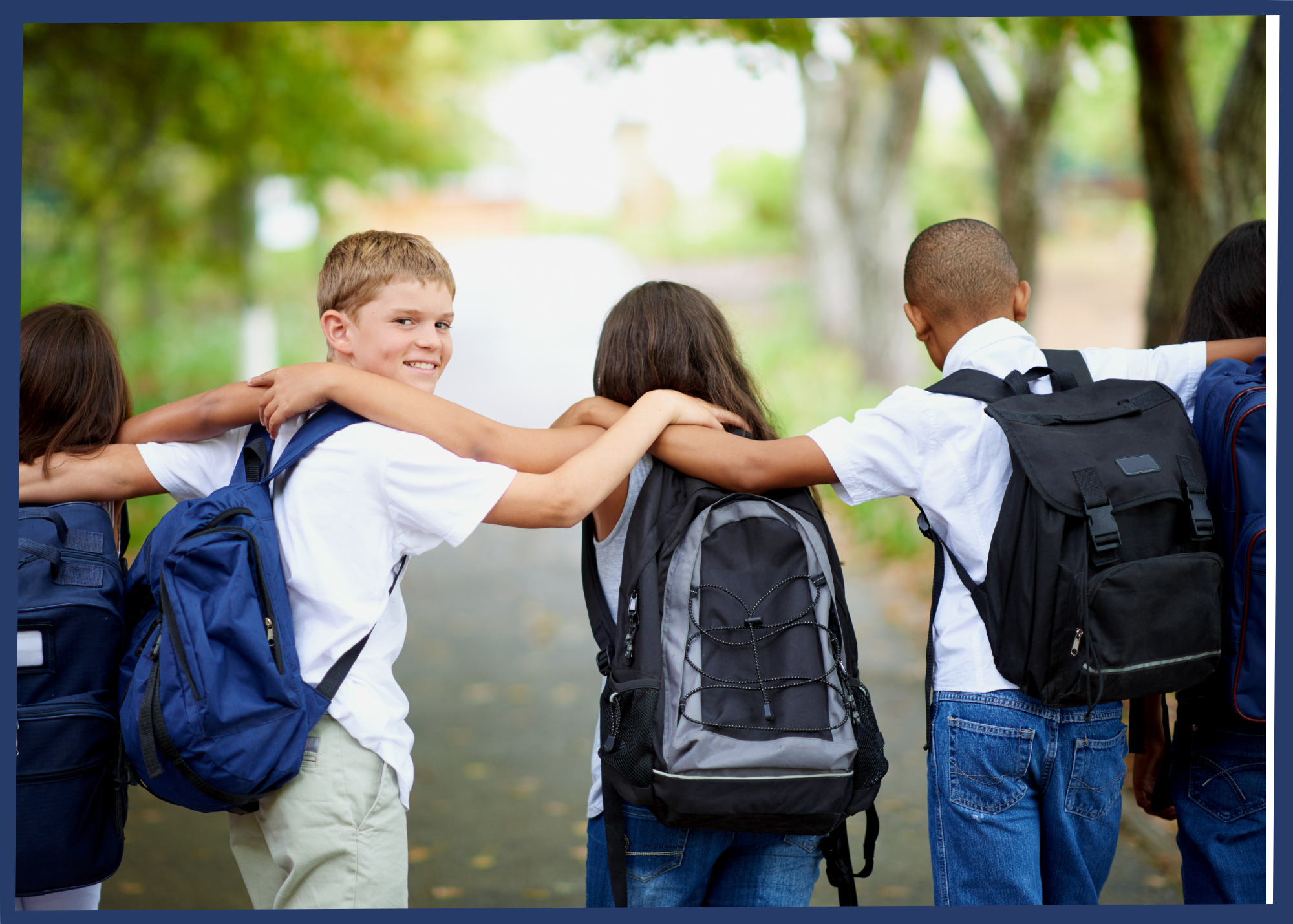
One key aspect of outdoor learning that contributes to enhanced cognitive skills is the opportunity for students to engage with their surroundings in a hands-on manner. By actively participating in nature-based activities, students are able to apply their knowledge in a practical setting, thereby strengthening their critical thinking abilities and gaining a deeper understanding of the subject matter.
Many of our students do not often go outside, for varying reasons. Simply getting out of their desks, out of their comfort zone, and outside can activate parts of the brain that some of them do not often use. This helps build new neural pathways and can ignite creativity, problem solving skills, and curiosity.
Further, being in nature reduces stress levels and enhances mental well-being, which in turn can improve cognitive functions. Reduced stress allows students to think more clearly and approach problems with a focused mind. Building these cognitive skills helps bridge us to our next section in which we discuss how getting outdoors can help improve students’ critical thinking abilities.

IMPROVED CRITICAL THINKING IN OUTDOOR LEARNING ENVIRONMENTS
In outdoor learning environments, students are encouraged to think independently and critically as they navigate real-life challenges presented by nature. This hands-on approach not only fosters a deeper understanding of the subject matter but also enhances problem-solving skills.
By actively engaging with the natural world, students are able to practise thinking creatively and analytically, preparing them to tackle complex problems both inside and outside the classroom. This connection between critical thinking and outdoor learning demonstrates the important role nature plays in developing students’ critical thinking capabilities. Simply getting into a new environment can ignite creative parts of the brain, which are useful in helping students think differently and use these skills to solve problems in different ways.
Outdoor experiences often involve hands-on learning opportunities that require students to apply theoretical knowledge in practical ways. For example, identifying plants or animals based on textbook knowledge requires observation, deduction, and critical thinking skills. This connects to what we will discuss next, in which we will explore the connection between nature and problem-solving abilities.

THE CONNECTION BETWEEN NATURE AND PROBLEM-SOLVING ABILITIES
Students who engage in outdoor learning environments not only improve their critical thinking skills but also enhance their problem-solving abilities by actively interacting with the natural world. Nature presents a variety of challenges and complexities, such as uneven terrain, weather changes, and natural obstacles. Navigating through these environments requires students to think critically and solve problems on the spot. For example, figuring out the best route up a steep hill or finding a way across a stream can engage problem-solving abilities.
Many outdoor activities also involve teamwork, such as navigating through a trail as a group or completing a challenge course. These experiences foster collaboration skills and require students to work together to solve problems and make decisions effectively. This collaborative problem-solving enhances communication and interpersonal skills.
Additionally, overcoming challenges in nature requires persistence and resilience. Students learn to persevere through difficulties such as adverse weather conditions or physical exhaustion, which builds resilience and determination in problem-solving. This approach to learning prepares students for the real-world applications of their knowledge, allowing them to apply their skills in practical situations beyond the classroom.

REAL-WORLD APPLICATIONS OF OUTDOOR LEARNING
Nature often presents real-world scenarios in which students must make decisions based on available information and resources. Whether it’s identifying safe camping spots, assessing weather conditions for outdoor activities, or managing limited supplies, these situations encourage critical thinking and decision-making skills.
Being outdoors stimulates creativity by exposing students to novel situations and environments. These environments present students with things they may encounter in their everyday lives and support their creative thinking. This can inspire innovative thinking as they adapt to the natural surroundings and devise new ways to overcome obstacles. For instance, building a shelter using available materials or creating a makeshift bridge encourages creative problem-solving.
By experiencing how concepts learned in the classroom can be applied in nature, students develop a deeper understanding of the material and how it can be utilised beyond traditional educational settings. This integration of theory and practice bridges the gap between academic learning and practical skills, ultimately preparing students for success in the broader scope of their lives.
IMPLEMENTING NATURE-BASED EDUCATION STRATEGIES IN SCHOOLS
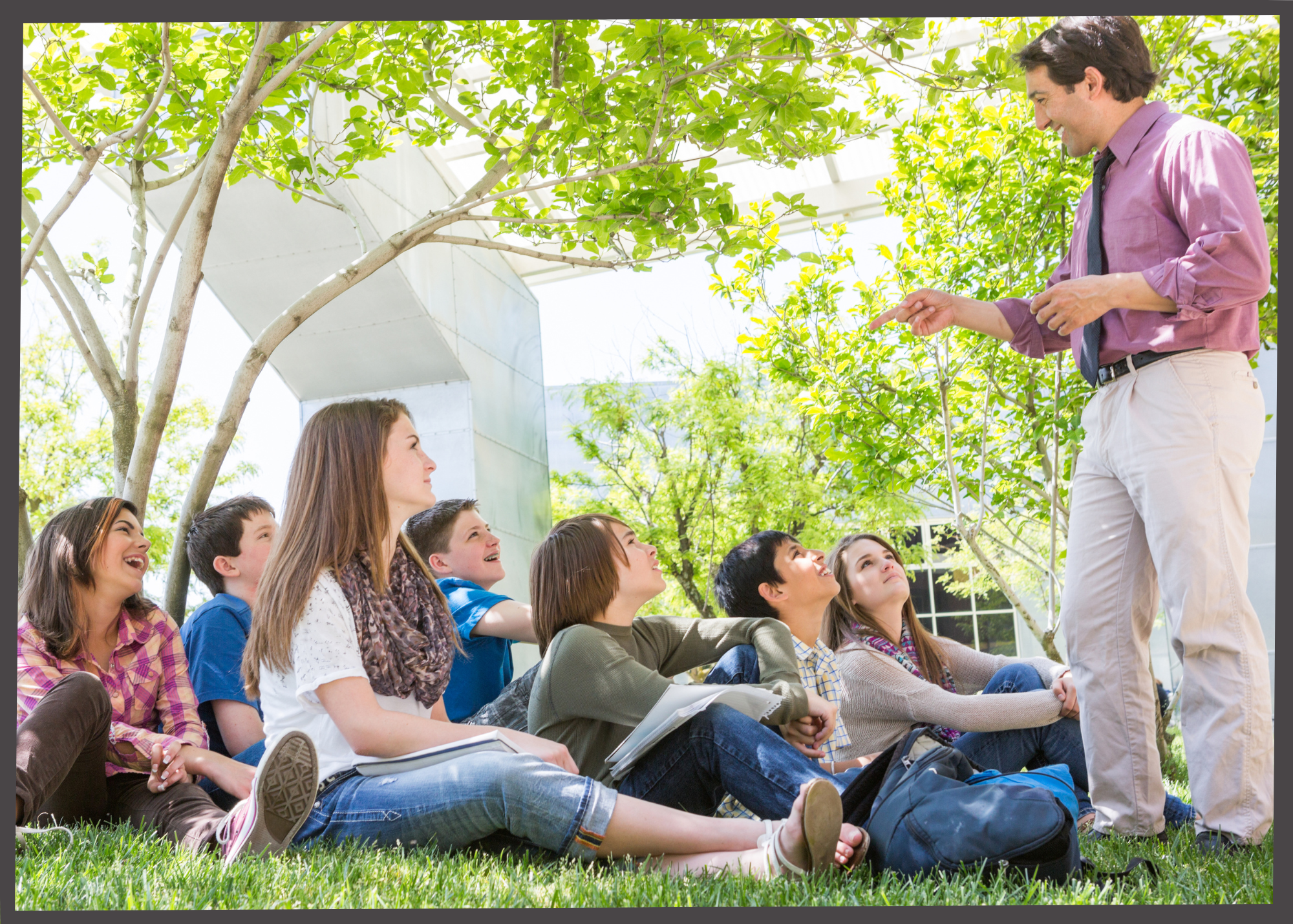
Incorporating nature-based education strategies into schools can greatly benefit students by providing them with opportunities to learn in an environment that fosters curiosity, creativity, and exploration. By implementing outdoor learning activities, schools can enhance the overall educational experience for students and help them develop a deeper connection to the natural world.
Teachers can incorporate nature-based lessons into their curriculum by taking students on field trips to local parks or nature reserves, integrating outdoor activities into their lesson plans, and incorporating nature-based themes into their classroom discussions. By creating an environment that encourages students to engage with nature, schools can help students develop a greater appreciation for the world around them and ultimately improve their academic performance.
By embracing the power of nature in education, schools can empower students to reach their full potential and succeed in all aspects of their lives.

In conclusion, the research is clear: nature has a powerful impact on academic performance and cognitive abilities. By incorporating outdoor learning experiences into educational curriculums, schools can help students reach their full potential academically and develop valuable skills for the future.
Embracing the power of nature in education not only enhances academic performance but also fosters a deeper appreciation for the environment and the world around us.
As we move forward, let us remember the words of John Muir, “In every walk with nature, one receives far more than he seeks.” Let’s take that step into the great outdoors and unlock the endless possibilities it holds for education and personal growth.
ENJOYED THIS? HERE ARE SOME OTHER BLOG POSTS ON KATIE IS A TEACHER YOU MAY LIKE:



WANT EVEN MORE? HERE ARE SOME KATIE IS A TEACHER RESOURCES YOU MAY BE INTERESTED IN:




 katieisateacher.com