

Imagine a classroom where students eagerly raise their hands, engrossed in the lesson at hand. A place where discipline is not about punishment, but about fostering a positive learning environment.
It may seem like a far-fetched dream, but the benefits of positive discipline in the classroom go beyond just improving student behaviour. It can transform the entire educational experience, leading to enhanced academic achievement and personal growth.
In this post, we will explore the surprising benefits of positive discipline techniques and discover how they can create a supportive and nurturing environment where students thrive both academically and emotionally. From building strong relationships to promoting self-regulation skills and social-emotional growth, we will uncover the vital role positive discipline plays in encouraging academic success.
So, whether you are a teacher or a parent, get ready to unlock the powerful impact of positive discipline and witness the remarkable transformation it can bring to student behaviour and performance.

WHAT IS POSITIVE DISCIPLINE?
Positive discipline is an approach to classroom management that focuses on creating a nurturing and supportive environment for students. It goes beyond traditional methods of punishment and rewards, aiming to build meaningful connections between teachers and students. By promoting mutual respect, open communication, and a sense of belonging, positive discipline establishes the groundwork for effective learning and personal growth.
At its core, positive discipline recognizes that students are individual learners with unique needs and strengths. It emphasises the importance of understanding and addressing the underlying reasons for misbehaviour, rather than simply imposing consequences. By taking a proactive approach, teachers can help students develop self-discipline, responsibility, and problem-solving skills.
One key aspect of positive discipline is setting clear expectations and boundaries. This involves collaboratively establishing classroom rules and procedures that are fair, reasonable, and age-appropriate. By involving students in the process, they feel a sense of ownership and are more likely to adhere to the rules.
Another important element of positive discipline is fostering a supportive and inclusive classroom community. Teachers actively encourage cooperation, empathy, and kindness among students. They create opportunities for peer interaction, group work, and collaborative problem-solving. By promoting a sense of belonging, positive discipline reduces the likelihood of disruptive behaviour and fosters a positive learning environment.
Positive discipline also emphasises the power of effective communication. Teachers strive to use respectful and non-confrontational language when addressing students’ misbehaviour. They take the time to understand students’ perspectives and emotions, providing guidance and support instead of harsh criticism. Through open and honest communication, teachers build trust and rapport with their students, creating a safe space for learning and personal development.
In conclusion, positive discipline is a holistic approach that focuses on creating a positive classroom culture. By establishing clear expectations, fostering a supportive community, and promoting effective communication, teachers lay the foundation for a nurturing environment where students can thrive academically and personally. These principles of positive discipline will be further explored in the following section on discipline strategies that work.
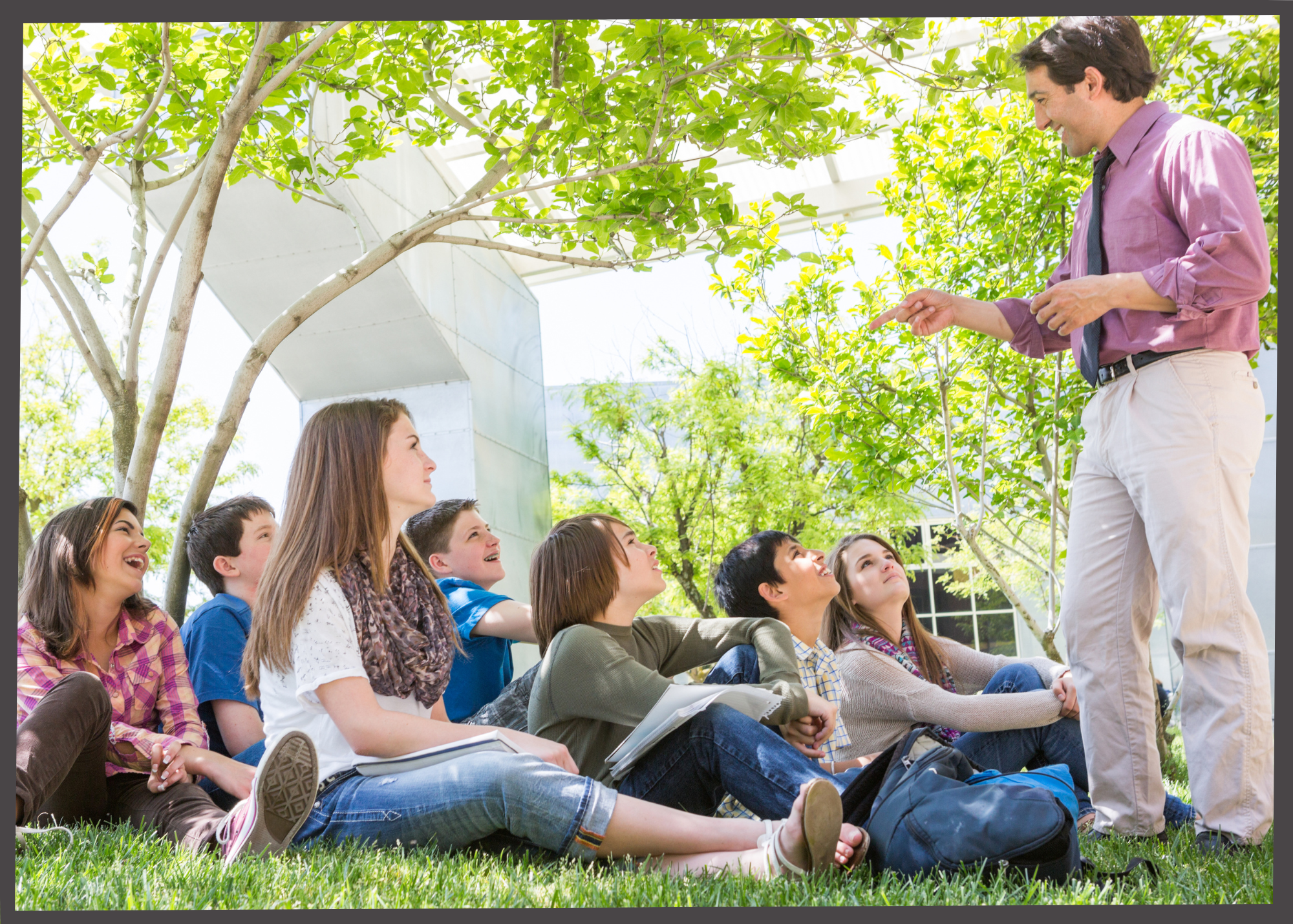
DISCIPLINE STRATEGIES THAT WORK
In addition to effective communication, positive discipline involves implementing discipline strategies that work. These strategies are rooted in understanding the needs and motivations of students, as well as maintaining a balance between structure and flexibility. By employing these proven strategies, teachers can effectively address misbehaviour while fostering a positive and engaging learning environment.
One effective discipline strategy is the use of logical consequences. Instead of punishment, logical consequences aim to teach students responsibility and accountability for their actions. For example, if a student forgets to complete their homework, a logical consequence could be that they need to complete it during recess time. This consequence helps students understand the natural connection between their actions and the resulting outcomes, fostering a sense of personal responsibility.
Another effective strategy is positive reinforcement. By providing praise and rewards for desired behaviours, teachers can motivate students to consistently exhibit positive conduct. This can range from verbal acknowledgment and encouragement to small rewards or privileges. Positive reinforcement not only fosters a supportive classroom atmosphere but also helps students build confidence and self-esteem.
Moreover, implementing consistent routines and expectations is crucial for maintaining a well-disciplined classroom. Students thrive in environments where they know what is expected of them and feel secure in the structure provided. Teachers can establish clear guidelines and routines for everything from entering the classroom to transitioning between activities. This consistency promotes a sense of stability, allowing students to focus on their learning without unnecessary disruptions.
By implementing effective communication, logical consequences, positive reinforcement, and consistent routines, teachers create a disciplined classroom environment that supports student learning and growth. These discipline strategies not only address misbehaviour but also contribute to the development of essential life skills such as responsibility, accountability, and self-regulation.
Discipline strategies that work lay the groundwork for building strong relationships with students, fostering a sense of trust and respect. In the following section on building strong relationships, we will explore how positive discipline further strengthens the teacher-student connection, creating a supportive and conducive learning atmosphere.
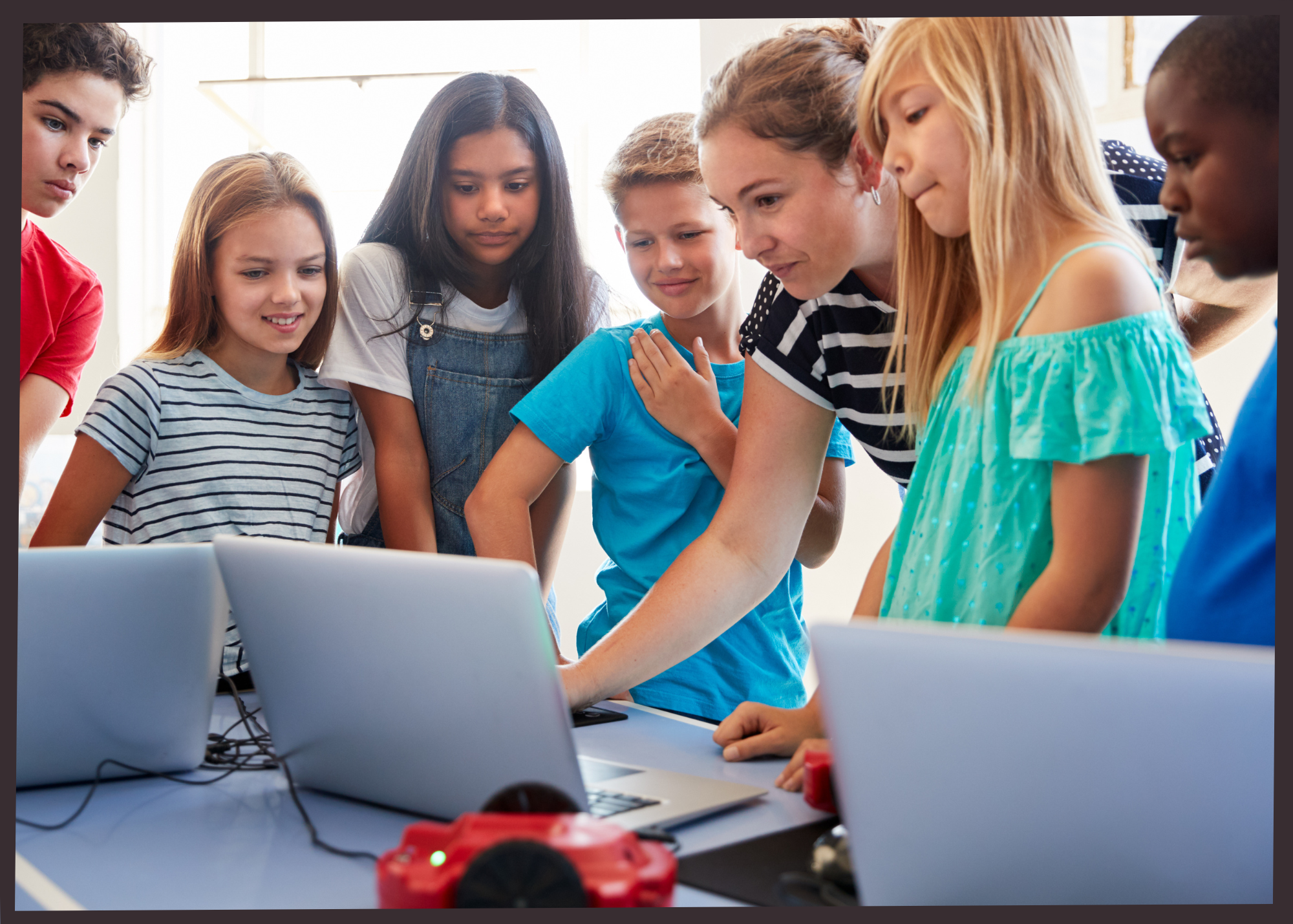
BUILDING STRONG RELATIONSHIPS
Building strong relationships with students is an integral part of creating a positive and effective learning environment. When teachers establish a foundation of trust and respect through positive discipline, students feel valued and supported. This sense of connection encourages students to actively engage in their learning and take ownership of their actions.
Positive discipline techniques serve as a means of communication between teachers and students. By establishing clear expectations and consistently enforcing consequences, teachers can effectively convey their belief in each student’s potential. This open and honest communication promotes a classroom atmosphere where students feel comfortable expressing their thoughts, concerns, and ideas.
Moreover, positive discipline strategies emphasise the importance of recognizing and reinforcing students’ efforts and achievements. By acknowledging and celebrating their successes, teachers show students that their hard work is valued and appreciated. This positive reinforcement not only boosts students’ self-esteem but also motivates them to continue striving for excellence.
In addition to fostering trust and respect, positive discipline practices establish a sense of belonging within the classroom community. When students feel a sense of belonging, they are more likely to actively participate in classroom discussions, collaborate with their peers, and support one another’s learning. This creates a cooperative and supportive learning atmosphere where students feel safe to take risks and make mistakes, knowing that they will be met with understanding and guidance.
By incorporating positive discipline strategies into the classroom, teachers not only address misbehaviour but also lay the foundation for strong relationships with their students. This teacher-student connection fosters an environment where students feel valued, supported, and motivated to take ownership of their learning.
In the following section on developing self-regulation skills, we will explore how positive discipline practices further empower students to develop essential skills for self-regulation and personal growth.

DEVELOPING SELF-REGULATION SKILLS
The benefits of positive discipline extend beyond addressing misbehaviour and building strong teacher-student relationships. By incorporating these strategies into the classroom, teachers also empower their students to develop crucial skills for self-regulation and personal growth.
Self-regulation skills are vital for students’ academic success as they enable students to manage their emotions, behaviours, and attention effectively. Through positive discipline practices, students learn to regulate their emotions, such as frustration or anger, in a constructive manner, allowing them to remain focused and engaged in their learning. They develop the ability to identify and express their emotions in a healthy way, rather than resorting to disruptive or harmful behaviours.
Moreover, positive discipline practices encourage students to reflect on their actions and take responsibility for their choices. By providing clear expectations and consequences, teachers give students the opportunity to understand the impact of their behaviour on themselves and others. This promotes self-reflection and helps students develop a stronger sense of accountability for their actions.
Additionally, positive discipline practices allow students to practise problem-solving skills. When faced with challenges or conflicts, students are encouraged to find constructive solutions rather than resorting to aggressive or unproductive behaviours. This empowers them to develop critical thinking and decision-making abilities, skills that are valuable both inside and outside the classroom.
Ultimately, by integrating positive discipline practices into the classroom, teachers not only create a supportive and inclusive learning environment but also equip students with the necessary self-regulation skills for personal and academic growth.
In the following section on promoting social and emotional growth, we will explore how positive discipline practices further nurture students’ social and emotional development, fostering well-rounded individuals ready to navigate the complexities of the world.

PROMOTING SOCIAL AND EMOTIONAL GROWTH
Positive discipline practices not only cultivate a supportive learning environment but also foster students’ social and emotional growth. By implementing these practices, educators empower students to develop valuable skills that extend beyond the classroom.
One of the primary benefits of positive discipline is its emphasis on problem-solving skills. Rather than resorting to aggressive or unproductive behaviours when faced with challenges or conflicts, students are encouraged to find constructive solutions. This approach not only diffuses tension but also empowers students to think critically and make informed decisions. These problem-solving abilities are not only applicable in academic settings but also essential for navigating real-life situations outside the classroom.
Moreover, positive discipline practices contribute to the social and emotional development of students. By promoting respectful and empathetic communication, teachers create an inclusive environment where students can safely express their thoughts and emotions. Through open dialogue and active listening, students learn to understand and appreciate diverse perspectives, fostering a sense of empathy and fostering positive relationships with their peers. These skills are essential for developing a strong support network, as well as building healthy and meaningful connections with others throughout their lives.
Positive discipline practices also encourage students to develop self-awareness and self-regulation skills. By providing consistent boundaries and clear expectations, teachers help students develop a better understanding of their emotions and actions. Through reflection and introspection, students learn to identify their triggers, manage their impulses, and make choices that align with their values and long-term goals. This self-regulation translates into improved behaviour and greater personal and academic success.
By nurturing students’ social and emotional growth through positive discipline, teachers equip them with a solid foundation for becoming well-rounded individuals ready to face the complexities of the world.
The next section on encouraging academic success will delve into how these discipline practices directly contribute to students’ academic achievements, complementing their overall development.

ENCOURAGING ACADEMIC SUCCESS
In addition to fostering social and emotional growth, positive discipline practices in the classroom have a direct impact on students’ academic achievements. When students feel supported and valued, they are more likely to engage actively in the learning process, ask questions, and seek help when needed. By creating a safe and positive learning environment, teachers enable students to focus their energy and attention on acquiring knowledge and mastering new skills.
One of the key ways positive discipline contributes to academic success is by promoting a growth mindset. Instead of focusing solely on grades or test scores, positive discipline encourages students to view challenges as opportunities for growth and learning. Students are empowered to embrace mistakes as valuable learning experiences, rather than viewing them as failures. This mindset shift not only fosters resilience and perseverance but also encourages a love for learning and a desire to continually improve.
Positive discipline practices also help develop intrinsic motivation in students. Rather than relying solely on external rewards or punishments, teachers who implement positive discipline focus on nurturing students’ internal drive to succeed. By promoting autonomy and giving students a sense of ownership over their learning, teachers inspire them to take pride in their accomplishments and strive for excellence. As a result, students become more self-motivated, driven by their own curiosity and thirst for knowledge.
Furthermore, positive discipline practices promote effective communication and collaboration skills, which are essential for academic success. In classrooms where positive discipline is prioritised, students are encouraged to express their thoughts and ideas openly, listen actively to their peers, and engage in productive discussions. These communication skills not only enhance students’ ability to express themselves effectively but also facilitate collaborative problem-solving and critical thinking.
By fostering a positive and supportive learning environment, teachers also cultivate a sense of belonging and community among students. When students feel connected to their classmates and their teacher, they are more likely to actively participate in class activities, share their perspectives, and contribute to group projects. This sense of belonging not only enhances engagement but also promotes a sense of purpose and accountability in students’ academic endeavours.
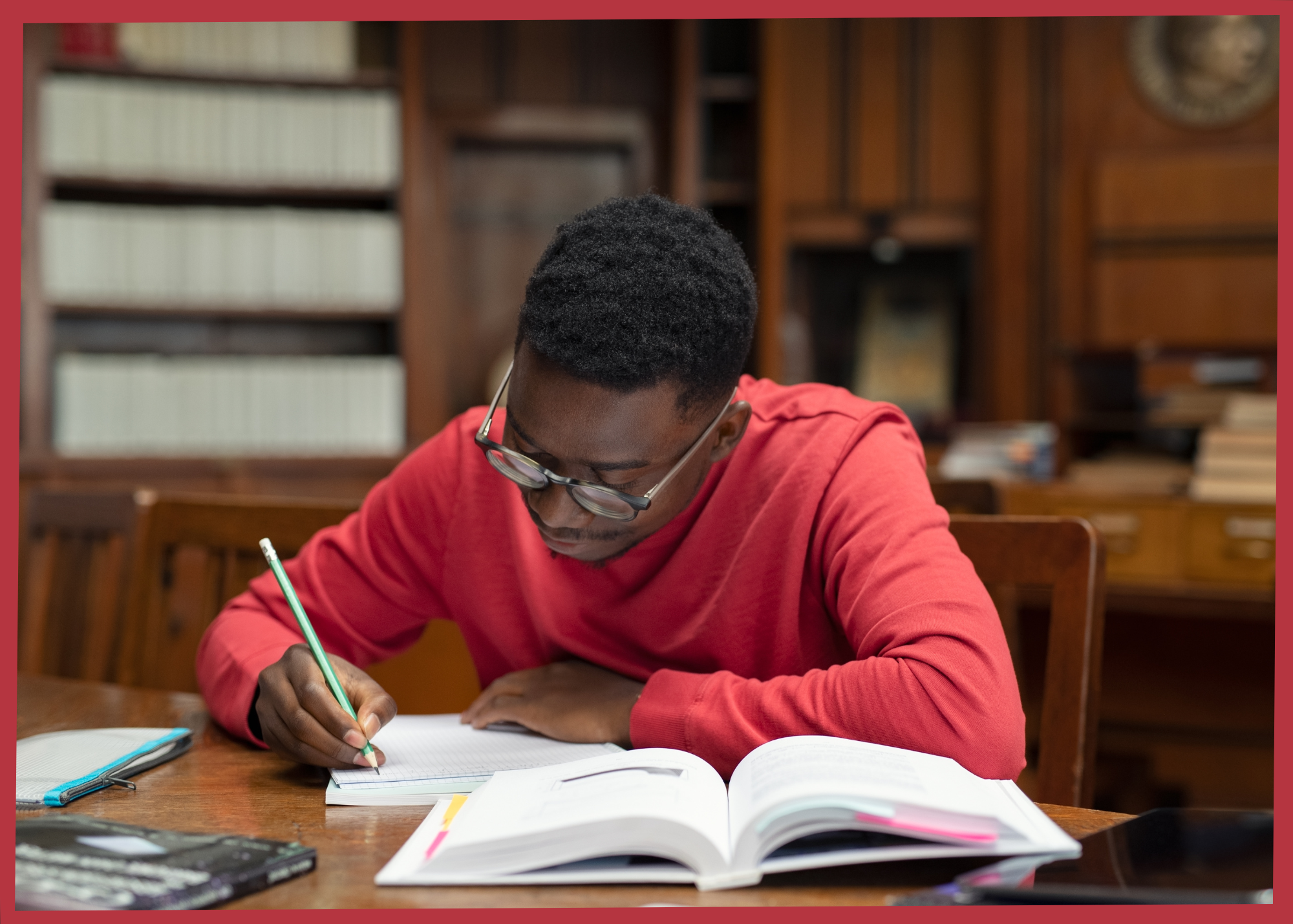
In conclusion, by implementing positive discipline practices in the classroom, teachers not only foster social and emotional growth but also contribute to students’ academic success. By promoting self-regulation, a growth mindset, intrinsic motivation, effective communication, and a sense of belonging, positive discipline practices create an environment where students are well-equipped to thrive academically and achieve their full potential.
Incorporating positive discipline strategies in the classroom can truly transform the educational experience for both teachers and students. By prioritising the creation of a positive classroom culture, implementing effective disciplinary techniques, building strong relationships, and promoting self-regulation skills and emotional growth, teachers can establish a supportive and nurturing environment where students thrive academically and emotionally.
As we conclude this exploration into the surprising benefits of positive discipline, remember the words of Benjamin Franklin: “Tell me and I forget. Teach me and I remember. Involve me and I learn.”
So, let us involve our students in their own learning by starting to implement these techniques in our classrooms today. Witness the powerful impact it has on student behaviour and performance, and unveil the true potential within each student. Let positive discipline become the guiding force that leads students towards a path of success and self-discovery.
ENJOYED THIS? HERE ARE SOME OTHER BLOG POSTS ON KATIE IS A TEACHER YOU MAY LIKE:


WANT EVEN MORE? HERE ARE SOME KATIE IS A TEACHER RESOURCES YOU MAY BE INTERESTED IN:



 katieisateacher.com