
Are you tired of the same old lectures and worksheets in your classroom? Looking for ways to get your students excited about learning? Making a classroom interactive can help students stay engaged and motivated in their learning.
In this post, we’ll explore five innovative techniques that will revolutionise the way you teach and engage your students. From turning learning into a game with gamification to empowering students with student-led projects, these strategies will bring energy and enthusiasm to your classroom.
Get ready to shake up your teaching approach and create interactive learning experiences that will leave a lasting impact on your students. Let’s dive in and discover the power of interactive teaching methods.
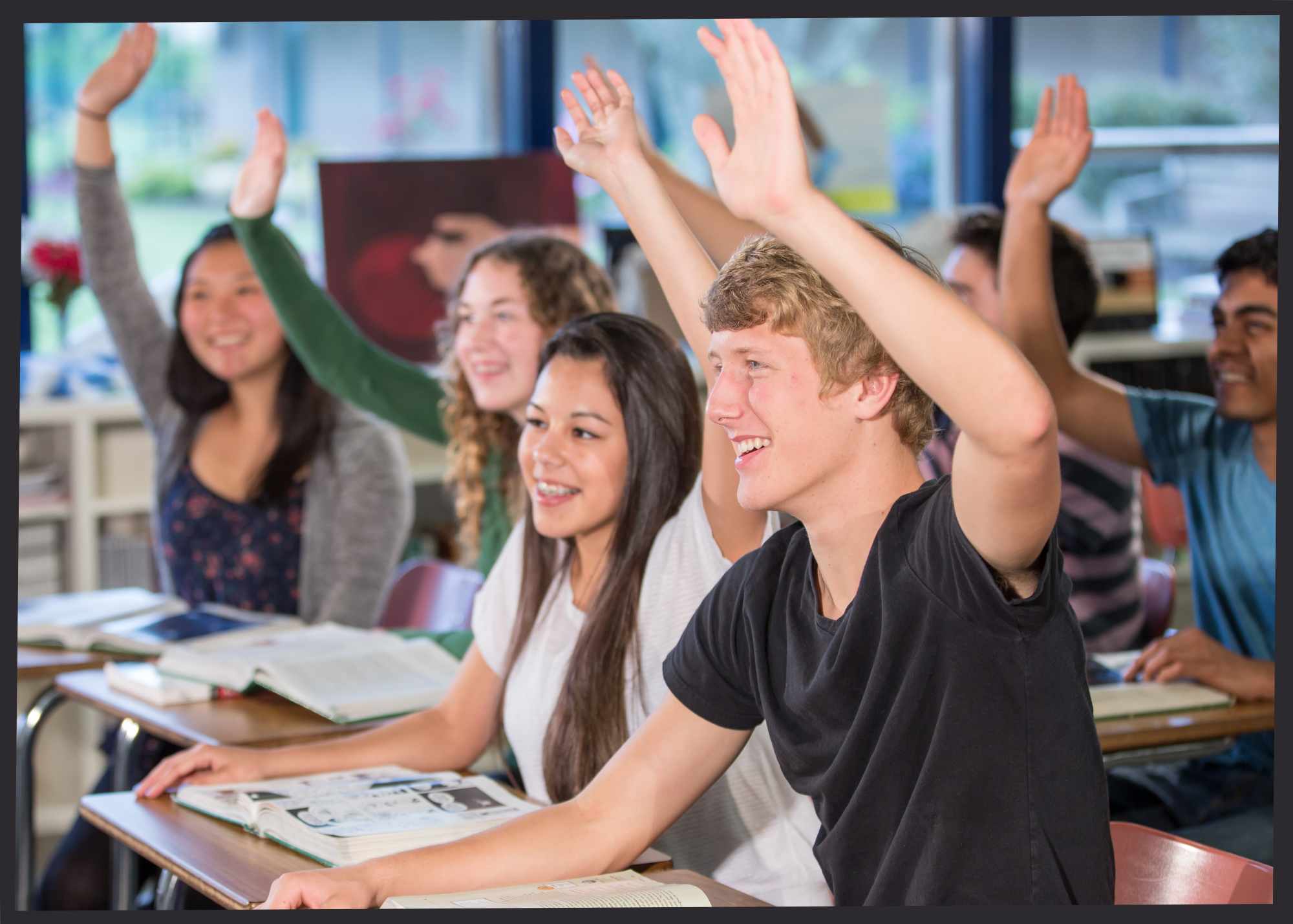
GAMIFICATION: TURN LEARNING INTO A GAME
An exciting way to make classroom learning interactive is by incorporating gamification. By turning learning into a game, students can engage with the material in a fun and competitive way.
This approach not only motivates students to participate actively but also enhances their problem-solving skills and critical thinking abilities. Gamification allows educators to create a dynamic learning environment where students are eager to learn and succeed.
You can do this by incorporating games and activities or by turning entire units into a game. Try to incorporate games, simulations, and other hands-on activities into your lessons. This can make the material more engaging and memorable for students.
By turning entire units into games, you can encourage student participation in an innovative way. Encourage students to participate in class discussions, group work, and other activities that allow them to actively engage with the material and provide points when they do.
Earning points can lead to things such as getting an extra 5% on an assignment, getting to skip a question of their choosing on a test, or so on. Students can also start out the unit by creating their own avatar and name, which you can put up on the board marking points as you work through the lesson. This makes learning both interesting and fun.
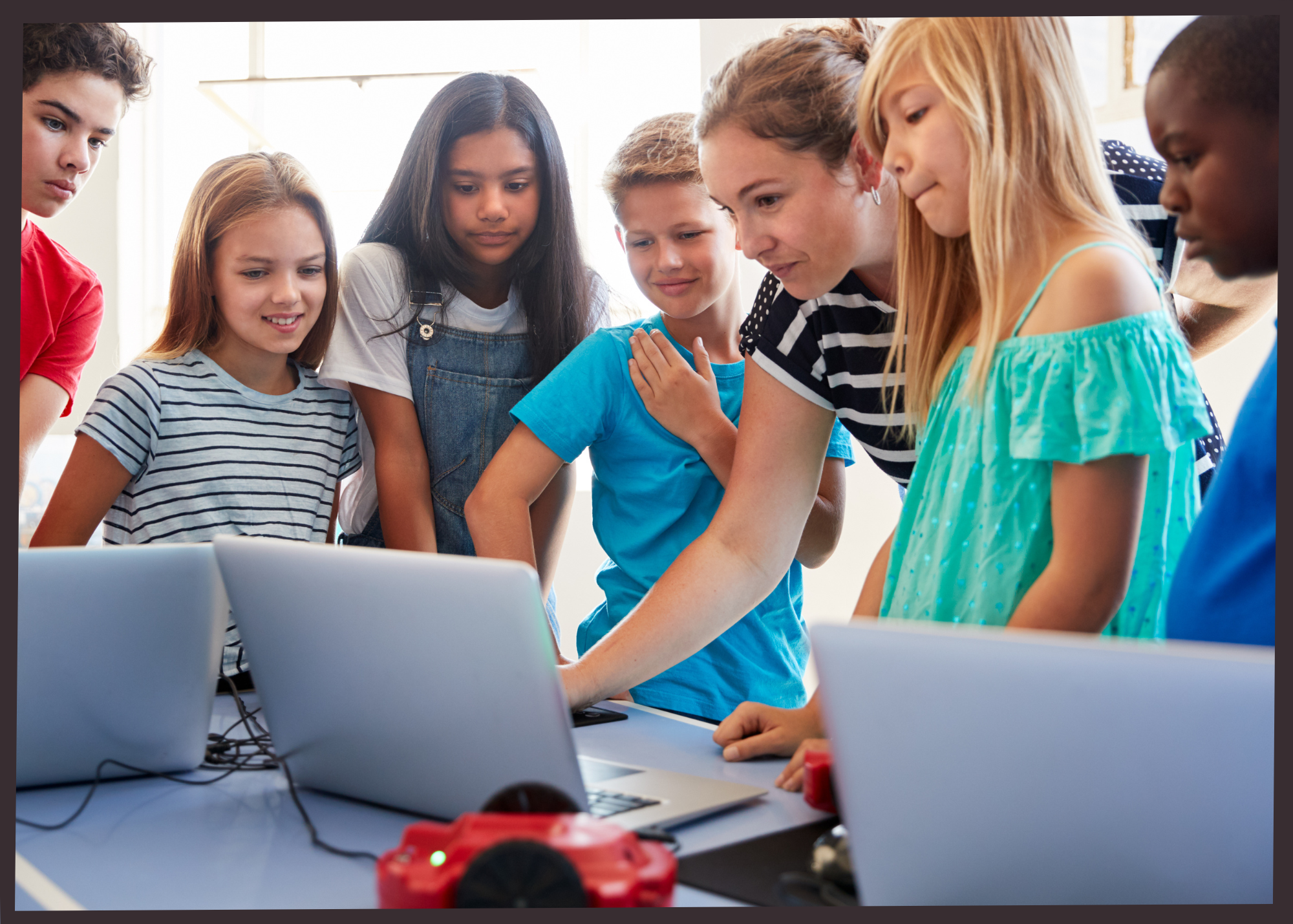
VIRTUAL FIELD TRIPS: BRINGING THE WORLDS INTO YOUR CLASSROOM
Virtual field trips offer a unique opportunity to bring the world into your classroom, allowing students to explore different cultures, environments, and historical landmarks without ever leaving their seats. By using technology such as virtual reality headsets or online platforms, teachers can transport their students to far-off places and provide immersive learning experiences.
When leading these field trips, make sure to ask students open-ended questions. Ask questions that encourage critical thinking and encourage students to share their opinions and ideas. Also ensure you connect the material you are teaching to real-world examples or current events. This will make the content even more relevant and interesting to students.
These virtual field trips not only expand students’ knowledge and understanding of the world but also spark their curiosity and passion for learning.
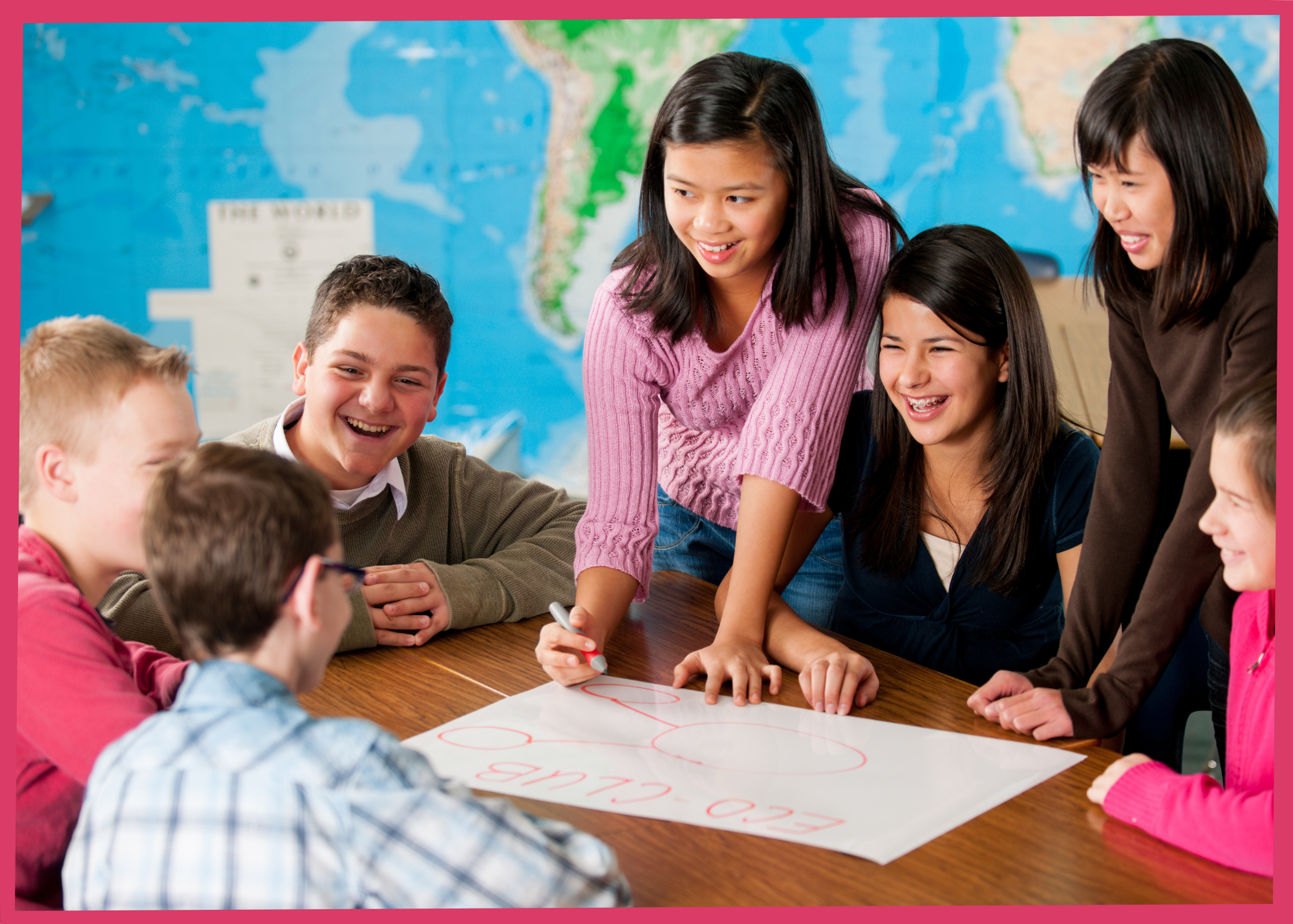
STUDENT-LED PROJECTS: EMPOWERING STUDENTS TO TAKE CHARGE
In student-led projects, students are empowered to take charge of their own learning and delve into topics that ignite their curiosity and passion. By allowing students to choose their own projects and take ownership of their learning process, teachers can foster creativity, critical thinking, and independent learning skills.
When you provide students choice in their learning, you allow them to immerse themselves in demonstrating a personal connection to the content. Give students choices in how they demonstrate their understanding of the material. This can include options such as written assignments, presentations, or creative projects.
This hands-on approach not only engages students more deeply in their studies but also encourages them to explore their interests and develop a sense of autonomy in their educational journey.

TECHNOLOGY: ENHANCING VISUAL LEARNING
Use technology to increase student engagement. You can utilise technology such as interactive whiteboards, tablets, and educational apps to make the learning experience more engaging.
For example, interactive whiteboards are a game-changer in the classroom, revolutionising the way students engage with visual information. With these whiteboards, teachers can bring lessons to life through dynamic multimedia presentations, interactive activities, and real-time collaboration.
By incorporating visuals, videos, and interactive elements into their lessons, teachers can cater to different learning styles, increase student engagement, and create a more immersive learning experience. These tools not only make learning more interactive and fun but also help students better retain information and understand complex concepts.

PEER TEACHING: ENCOURAGING COLLABORATION AND COMMUNICATION
Peer teaching is a powerful technique that not only benefits the students who are teaching but also the ones being taught. By encouraging students to explain concepts to their peers, educators can foster collaboration and communication within the classroom.
This interactive approach allows students to engage with the material at a deeper level, as they must not only understand it themselves but also communicate it effectively to others. Through peer teaching, students can gain a better grasp of the material, develop their communication skills, and build confidence in their understanding of the subject matter. Set up activities that require students to work together in small groups or pairs. This not only makes the class more interactive, but it also helps students develop important social and teamwork skills
Additionally, peer teaching promotes a sense of teamwork and community among students. It creates a supportive environment where students can learn from each other, ask questions, and work together to solve problems. This collaborative approach not only enhances the learning experience but also helps students develop important social and interpersonal skills that are essential for success in both academic and real-world settings.
As we continue to explore different ways to make classroom learning interactive, peer teaching stands out as a valuable tool for fostering collaboration and communication among students. By incorporating this technique into our teaching practices, we create a more engaging and dynamic learning environment that benefits all students involved.

By following these tips, you can create a classroom environment that is engaging, interactive, and focused on student learning and success. Incorporating innovative techniques such as gamification, virtual field trips, student-led projects, technology, and peer teaching can revolutionise classroom learning and empower students to take charge of their education.
Through embracing these strategies, teachers can create dynamic and engaging learning environments that spark curiosity and foster collaboration. So, why wait? Take the leap today and transform your classroom into a hub of excitement and inspiration.
After all, in the words of Benjamin Franklin, “Tell me and I forget, teach me and I may remember, involve me and I learn.”
ENJOYED THIS? HERE ARE SOME OTHER BLOG POSTS ON KATIE IS A TEACHER YOU MAY LIKE:


WANT EVEN MORE? HERE ARE SOME KATIE IS A TEACHER RESOURCES YOU MAY BE INTERESTED IN:




 katieisateacher.com