

You’re more likely than not to have at least one student in your class who has a learning disability. It’s vitally important to plan for these students and to ensure your classroom is inclusive and provides a welcoming and caring environment.
In today’s educational landscape, it is not enough to simply accommodate these students – you need to ensure that you are fully embracing the effective practices that truly transform education for all students. This post focuses on learning disabilities in particular, and will guide you through the journey of inclusivity. I’ll offer practical strategies and activities tailored to the unique needs of students with learning disabilities.
From the benefits of inclusive classrooms, to collaboration between educators and specialists (such as consultants), we’ll explore a roadmap for creating an environment where every learner can thrive and find success. So, let’s dive in to all the benefits of fully embracing inclusive education!

BENEFITS OF INCLUSIVE CLASSROOMS
Inclusive education is an important concept in today’s society, as it seeks to create an equitable learning environment that is free from discrimination and prejudice.
Inclusive education is based on the idea that all students, no matter their ability, background, gender, race, and so on, should have access to the same education and resources. It also aims to see each student thrive to the best of their own ability while working alongside peers of different skills, abilities, and level.
This type of education can help to reduce the achievement gap between different groups of students, while also allowing all students to reach their full potential. In an inclusive education system, all students are treated with respect and are provided with the same opportunities. This means that students with special needs or disabilities are also given the same rights to education as their peers.
By removing barriers to learning, such as language or physical barriers, all students are able to learn and grow together. This kind of learning environment encourages collaboration, communication, and respect between all students.
Inclusive education also provides students with a sense of belonging and acceptance. By removing the stigma of difference, it allows all students to be seen as equals and be part of the same learning community. This allows students to express themselves and develop their individual talents. Additionally, in an inclusive environment, students are taught to embrace and be understanding of different cultures, beliefs, and perspectives.

COLLABORATING WITH SPECIALISTS
Collaboration between teachers and specialists is essential when it comes to creating inclusive classrooms that cater to the needs of students with learning disabilities. By coming together and pooling their expertise, teachers and specialists can work to establish a dynamic and supportive learning environment for these students.
Inclusive classrooms are built on the foundation of collaboration. When you join forces with other teachers in your building or district, and specialists such as district consultants, you work to ensure that the educational experience is tailored to meet the unique needs of every student.
Collaboration begins with open lines of communication; ensure you are exchanging information, insights, and strategies to address the specific learning challenges faced by students with disabilities. These discussions allow for a comprehensive understanding of each student’s individual strengths and areas of growth, enabling the development of customised teaching approaches and accommodations.
Educators bring their subject matter expertise and knowledge of instructional strategies to the table, while specialists, such as special education teachers or therapists, bring their specific knowledge in supporting students with learning disabilities. Together, they can formulate plans that incorporate inclusive teaching practices, adaptive technology, and differentiated instruction. This collaboration ensures that students with learning disabilities receive the support they need to thrive academically and emotionally.
Furthermore, collaboration between teachers and specialists fosters a holistic approach to education. By working hand in hand, they can identify and address any barriers that could be hindering progress for a student. This could involve modifying learning materials, utilising different assessment methods, or implementing assistive technology to create a more inclusive learning environment.
Through their collaborative efforts, teachers and specialists can also work directly with families to ensure that the support extends beyond the classroom, creating a more seamless transition between home and school.
By leveraging their respective expertise and resources, teachers and specialists can create an environment where everyone takes part in the success and development of every student.

DIFFERENTIATING FOR STUDENTS WITH LEARNING DISABILITIES
Another crucial aspect of creating inclusive classrooms for students with learning disabilities is the implementation of differentiated instruction. Differentiating instruction involves tailoring teaching methods, materials, and assessments to meet the diverse needs of each student. This approach recognizes that students with learning disabilities may require individualised support and accommodations to fully engage in the learning process.
By differentiating instruction, teachers can provide targeted interventions that address the specific learning needs and strengths of students with learning disabilities. This may involve breaking down complex concepts into smaller, more manageable chunks, incorporating visual aids and manipulatives to enhance understanding, and providing additional time and support for practice and review. These supports and strategies can help students with learning disabilities understand and retain information better than they otherwise would.
Differentiating instruction also acknowledges that students with learning disabilities may have different learning styles, preferences, and abilities. It encourages teachers to offer a diverse range of instructional methods and materials, such as hands-on activities, multimedia resources, and technology-based tools, in order to accommodate various learning preferences.
When I was a student, it was standard to rely on rote memorisation and then have a pencil to paper test. That worked great for me, as I learned well with those methods, but that’s no longer an acceptable practice for all learning, assessments, and students. We now know our students all learn differently and require various tools and techniques to learn best. By utilising various learning strategies, teachers can create a learning environment that caters to the unique needs of every student, promoting their active engagement and participation in the classroom.
Also keep in mind that differentiating instruction extends beyond content delivery: it includes adapting assessments to accurately measure students’ understanding and progress. Educators may provide alternative assessment methods, such as oral presentations or visual projects, for students who struggle with traditional written exams. By doing this, you work to ensure that students with learning disabilities are not disadvantaged during assessments and can demonstrate their knowledge and skills in ways that align with their strengths.
By differentiating instruction, teachers can empower students with learning disabilities to actively participate in their education and foster a sense of belonging in the classroom. It helps to further reinforce the fact that every student can learn and succeed, regardless of their individual challenges.

STRATEGIES FOR ADAPTING CURRICULUM
One effective strategy for adapting curriculum to meet the needs of students with learning disabilities is the use of visual aids and hands-on activities. Visual aids, such as charts, diagrams, and graphic organizers, can help simplify complex concepts and make them more accessible to students who struggle with traditional text-based materials. Similarly, incorporating hands-on activities, experiments, and projects into the curriculum can provide students with opportunities to engage in active learning and apply their knowledge in a meaningful way.
Another practical approach is to break down larger tasks into smaller, more manageable chunks. This strategy, known as (surprise, surprise) chunking, allows students to focus on one concept or skill at a time, reducing overwhelm and promoting mastery of the skills and content. By presenting information in smaller increments, you can ensure that your students with learning disabilities have the opportunity to fully grasp and understand each component before moving on to the next.
In addition, providing multiple modes of instruction can accommodate diverse learning preferences and maximize student engagement. For example, teachers can supplement traditional lectures with things such as audio recordings, videos, or interactive online resources. These various texts will be useful to many of your students, not just the ones with learning disabilities. By offering different ways for students to access and interact with the content, educators can cater to individual learning styles and enhance comprehension.
Collaboration and peer support are also crucial elements in creating an inclusive classroom environment. Teachers can encourage students to work in pairs or small groups, where they can support and learn from one another. Plan strategic groupings to ensure students are with people they can learn from, offer support to, and who all have different yet complimentary skill sets. You may want to assign roles as well, to ensure all students are contributing in some way. This collaborative approach not only fosters social skills and communication but also allows students with learning disabilities to receive additional guidance and clarification from their peers.
By implementing these practical strategies, educators can adapt the curriculum to meet the diverse needs of students with learning disabilities. These adaptations not only ensure equal access to education but also promote meaningful learning experiences and empower students to reach their full potential. In the next section, we will explore specific classroom activities that incorporate these strategies, providing further guidance for inclusive teaching practices and supporting the educational journey of students with learning disabilities.
MEETING THE DIVERSE NEEDS OF EVERY LEARNER
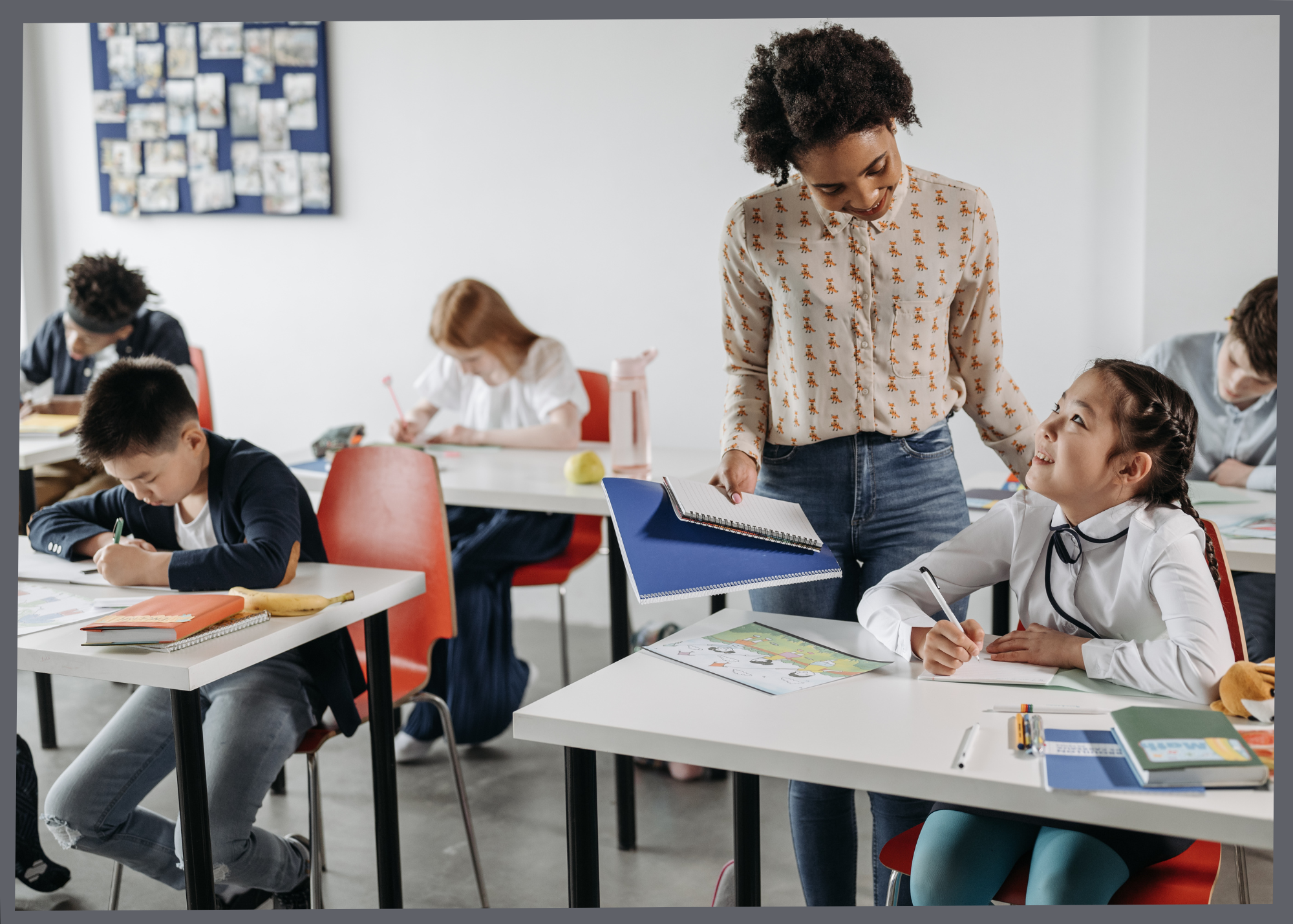
In order to foster an inclusive and supportive learning environment, it is essential for teachers to meet the diverse needs of every learner. Each student brings unique strengths and challenges to the classroom, and it is the responsibility of teachers to ensure that instructional strategies and activities cater to these individual differences. By doing so, educators can create a space where every student feels valued, empowered, and capable of reaching their full potential.
One effective approach to meeting the diverse needs of every learner is through differentiated instruction. This means tailoring teaching strategies and materials to address the specific strengths and weaknesses of each student. For example, educators can provide alternative reading materials at varying levels of complexity to accommodate different reading abilities. Additionally, incorporating visual aids or manipulatives can help students with learning disabilities better understand and grasp abstract concepts. By recognizing and addressing the specific needs of each learner, educators can ensure that every student is actively engaged and able to participate in classroom activities.
Collaborative learning activities also play a crucial role in meeting the diverse needs of students with learning disabilities. Working together in small groups or pairs allows students to support and learn from each other, building a sense of community and cooperation within the classroom. This approach not only fosters social skills and empathy but also provides an opportunity for students to share their strengths and perspectives. By structuring activities that encourage teamwork and collaboration, educators can create a dynamic learning environment that benefits all students, including those with learning disabilities.
In addition to differentiated instruction and collaborative learning, it is important for educators to provide a variety of assessment methods that accommodate the diverse needs of learners. Traditional forms of assessment such as written exams may not accurately reflect the knowledge and skills of students with learning disabilities. In order to more accurately assess their understanding, educators can incorporate alternative assessment methods such as project-based assessments, verbal presentations, or multimedia projects. This allows students to showcase their knowledge and skills in ways that are aligned with their individual strengths and abilities.
By implementing strategies such as differentiated instruction, collaborative learning, and alternative assessment methods, educators can effectively meet the diverse needs of every learner. These practices not only support students with learning disabilities but also create an inclusive classroom environment where all students feel valued and empowered. By embracing and accommodating individual differences, educators can truly transform education and ensure that every student can thrive on their educational journey.
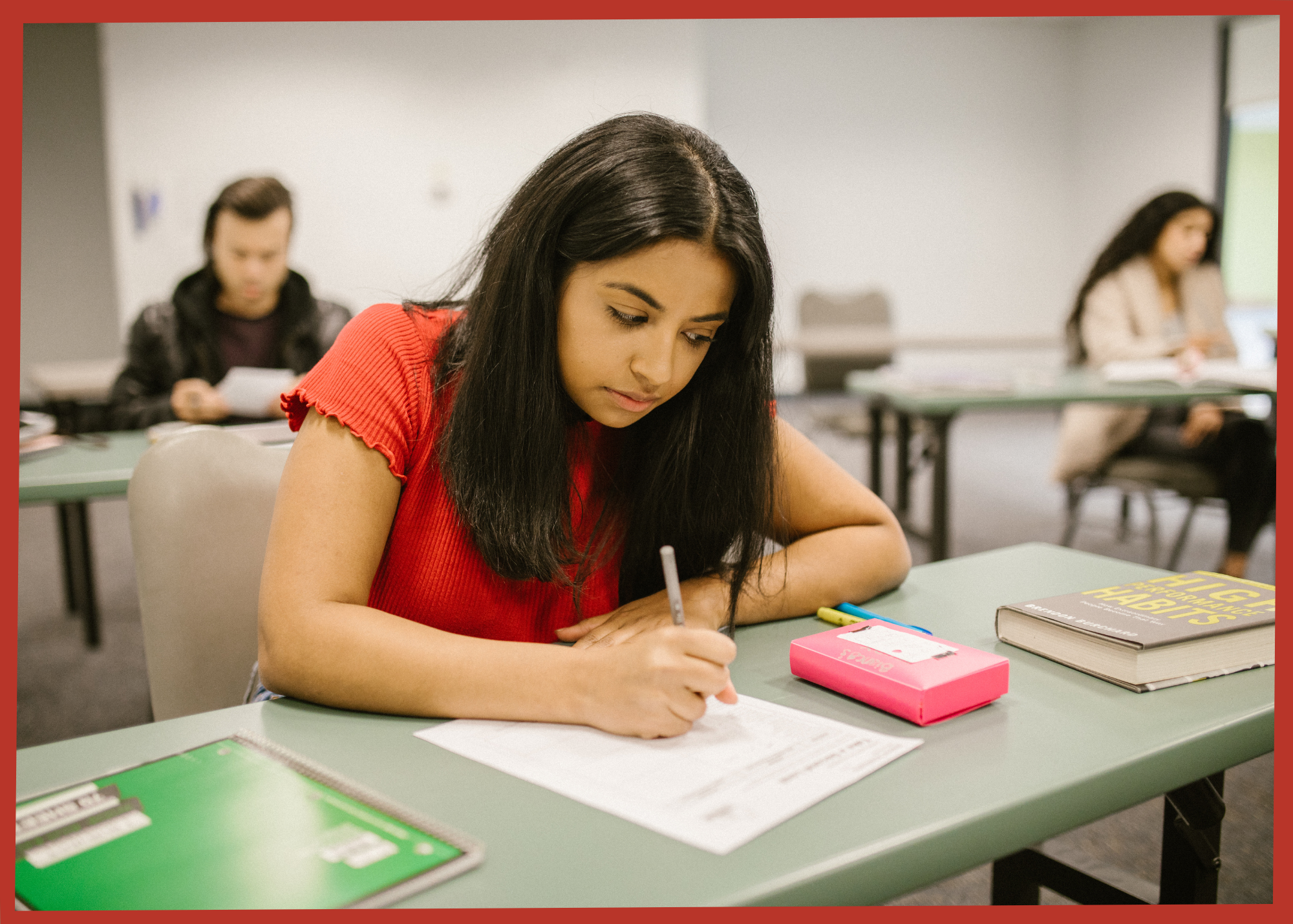
In conclusion, embracing inclusive practices in education is not just a step toward teaching students with learning disabilities—it is a transformative movement that allows all learners to thrive. Throughout this post, I’ve discussed the benefits of inclusive classrooms, the power of collaboration between teachers and specialists, and how to use practical strategies for adapting curriculum to meet the diverse needs of every learner. By creating a truly inclusive environment, we can unlock the potential of all students, regardless of their learning differences.
Moving forward, it is apt to remember the words of Nelson Mandela: “Education is the most powerful weapon which you can use to change the world.” By embracing inclusive practices, we are not only changing the lives of individual students, but also shaping a more equitable and compassionate society.
So, I invite you to join the movement towards inclusive education. Let us challenge ourselves to create learning environments that celebrate diversity, foster collaboration, and empower every student to reach their full potential. Together, we can transform education and ensure that no student is left behind.
ENJOYED THIS? HERE ARE SOME OTHER BLOG POSTS ON KATIE IS A TEACHER YOU MAY LIKE:


WANT EVEN MORE? HERE ARE SOME KATIE IS A TEACHER RESOURCES YOU MAY BE INTERESTED IN:


 katieisateacher.com