

As adults and teachers, it can be easy to spot the bias in the news we are presented with. And it’s equally important to ensure we aren’t presenting out students with current events in a biased way.
In a world where fake news and skewed viewpoints clutter our screens, it’s more important than ever to teach our students how to approach current events critically and without bias.
This post discusses unconventional approaches that will help you to empower your students to develop their own opinions by presenting current events in a neutral and unbiased manner. Through engaging discussions, interactive activities, credible news sources, multimedia aids, reflective assignments, and inclusive classroom discussions, teachers can work to create an environment that fosters open-mindedness and cultivates independent thinkers.
Here are some of my top tips for teaching current events without bias.

UTILISE INTERACTIVE DISCUSSIONS
Incorporating interactive discussions into the classroom can be a powerful tool in engaging your students. When teachers allow students to voice their perspectives and engage in thoughtful debates, you can work to create an inclusive and fun classroom environment.
Discussions can not only improve your students’ comprehension and critical thinking skills, they also foster improved empathy and understanding. One way to facilitate interactive discussions is by using thought-provoking questions as conversation starters.
By posing open-ended inquiries such as “What are the potential implications of this event?” or “How do you think different groups might interpret this news story?”, you can prompt your students to think critically and consider multiple viewpoints.
Encouraging your students both to share their own thoughts, as well as listen to others’ perspectives can help them to develop a more comprehensive understanding of issues that may be complex.
Another approach you can try is to use group discussions and debates. Dividing students into small groups and assigning them different positions or roles in relation to a current event can provide an opportunity for them to explore different perspectives and practice constructive argumentation.
Teacher can also use various technology resources to enhance discussion-based learning. By introducing relevant videos, podcasts, or articles, your students can engage with different types of media in order to gain a well-rounded understanding of current events. This also helps to promote media literacy and helps students better discern between reliable and biased sources of information.
Lastly, incorporating reflective exercises at the end of each discussion can encourage students to further analyse their own biases and assumptions. Try to provide prompts such as “How has your perspective on this issue evolved through this discussion?” or “What do you think are the limitations of your point of view?”
Through interactive discussions, you can support your students in develping their own opinions. You also help them see others’ viewpoints and better discern areas of bias.

USE ROLE PLAYING ACTIVITIES
I love to use role playing activities in the classroom! Not only do they allow for students to use their creativity, it often allows to them to get up and move, which is so necessary for them!
Role-playing activities are an effective way to encourage diverse perspectives in the classroom. By assuming different roles and engaging in simulated scenarios, students can step outside their own viewpoints and gain a deeper understanding of different perspectives on current events.
These activities not only foster empathy and critical thinking, they also challenge students to consider alternative viewpoints that they may not have previously considered. One approach to role-playing is to assign students different roles or personas related to a current event or controversial topic.
For example, in a discussion about immigration, students might take on the roles of immigrants, border patrol agents, politicians, and human rights activists. This allows students to fully immerse themselves in the positions and beliefs of different stakeholders, leading to stronger discussions and a greater understanding of the issue being discussed.
Role-playing activities can also involve debates or panel-style discussions. In these situations, students get the opportunity to defend different positions on a particular topic.
This not only encourages students to research and understand multiple perspectives but also cultivates critical thinking, negotiation skills, and respectful dialogue. I think one of the most important things in the state of the world today is to encourage and foster actively listening to others and respectfully considering and responding.
By actively participating in these role-playing scenarios, your students can have the opportunity to become more engaged in their learning and develop a broader understanding of current events beyond their own perspectives and biases they may carry with them.
Further, role-playing activities could also include historical reenactments or future scenario simulations, providing students with a broader context for understanding current events. By stepping into the shoes of historical figures or envisioning future implications of current policies, students gain a deeper appreciation for the interconnectedness of events and the long-term impact of decisions made today.
By encouraging diverse perspectives through role-playing activities, educators foster an environment that values open-mindedness, empathy, and critical thinking. These activities serve as a bridge between the theoretical understanding of current events and the practical application of knowledge in real-world scenarios.
USE TRUSTWORTHY AND BALANCED NEWS SOURCES
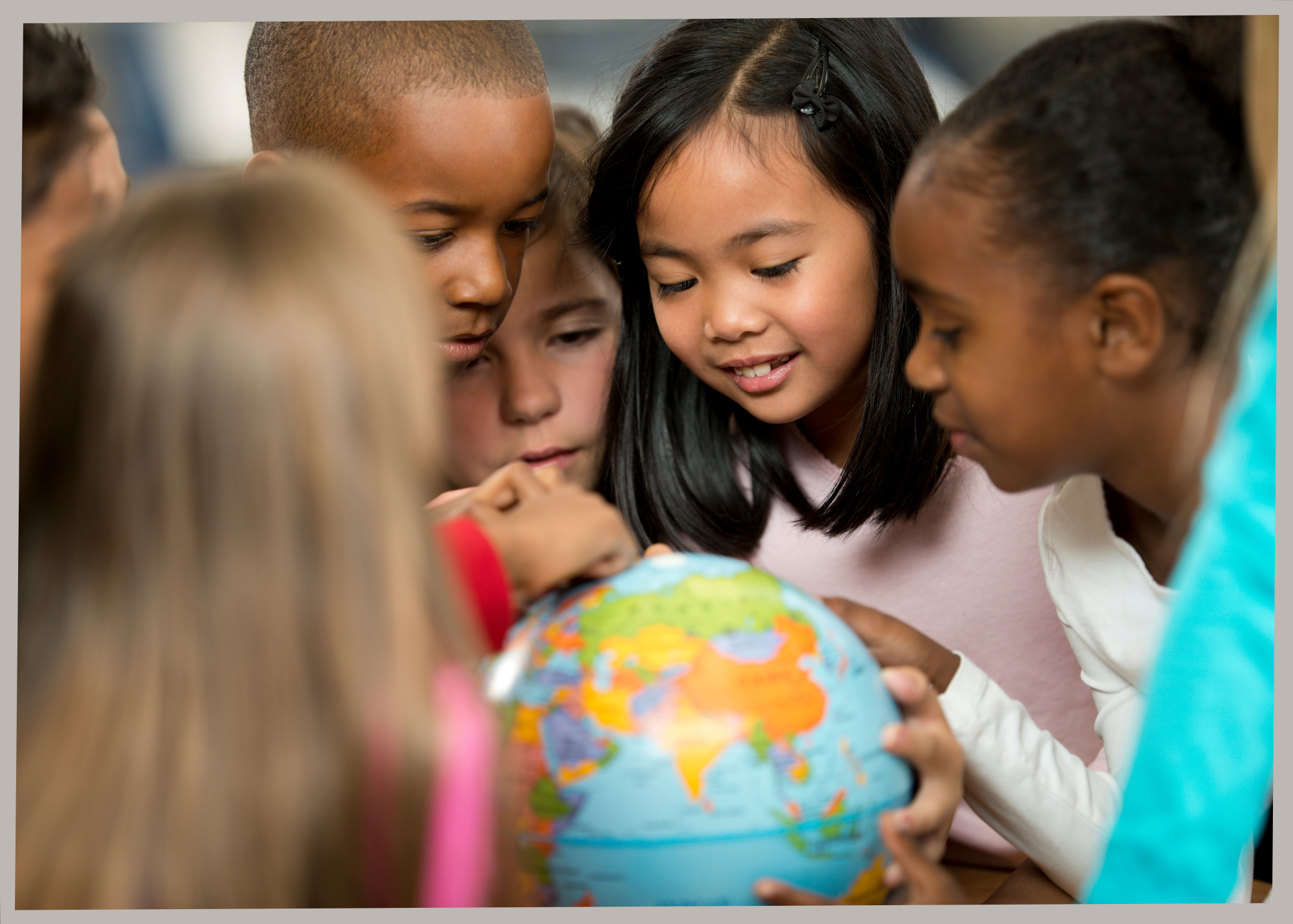
By utilising reputable and balanced news sources, teachers can further enhance students’ understanding of current events and help them distinguish bias from objective reporting. Access to reliable news outlets allows students to develop a well-rounded perspective on global affairs and encourages them to think critically about the information they consume.
One approach is to introduce students to a variety of news sources representing different viewpoints on the same issue. You can pick a few that clearly show bias and others that are more central in their reporting.
This tactic helps students recognize that there is no single source that can provide a comprehensive understanding of complex issues. By comparing and contrasting the coverage of a given event by different news outlets, show your students how to uncover subtle differences in tone, language, and emphasis, which can reveal various biases.
You can also guide your students in evaluating the credibility of news sources. This involves teaching students to critically analyze factors such as the reputation of the organization, the qualifications and expertise of the journalists, and the editorial standards followed by the news outlet. Through understanding the importance of objectivity and fact-checking, students can become more discerning in the news they consume.
Incorporate activities such as analysing news articles for loaded language, identifying the presence of opinions within news pieces, or examining the use of visuals to convey a particular message. By engaging students in these activities, you help empower them to question the motives behind news reports and develop critical thinking stills.
By equipping students with the skills to critically evaluate news sources, you support them in navigating various news sources and media they encounter, helping to set them up for success in our media-saturated world.

INCORPORATE MULTIMEDIA AND VISUALS
Incorporating multimedia and visual aids can greatly enhance students’ understanding of current events and further develop their critical thinking skills. By providing students with visual representations of news stories, such as infographics, charts, or video clips, you can help them better understand complex concepts as well as help to engage them.
Visuals can serve as useful tools for breaking down complex information and making it more digestible for students. Some students will have no problem reading and understanding news, but others are visual learners who will benefit from other ways of learning.
For example, a visual representation of statistical data related to a current event might help some students better understand the significance of a particular issue. By presenting information in a visual way, you can also encourage your students to think critically about the data being presented and question its accuracy.
In addition to visuals, incorporating multimedia elements can also enhance students’ understanding of current events. Watching news clips or documentaries related to a certain topic can provide students with various accounts, different perspectives, and real-life examples to help deepen their understanding.
Further, incorporating multimedia and visual aids can also help students develop stronger media literacy skills. By analysing the visuals in a news story, such as images, headlines, or captions, students can learn to identify possible biases within the media.
This critical examination of visuals can train students to be more discerning and encourage them to seek out multiple perspectives before forming their own opinions.
By incorporating multimedia and visual aids into current events lessons, teachers not only enhance students’ understanding but also foster their critical thinking skills. Teaching students to use visuals to their advantage is important as they become consumers of news and other media.

PROVIDE ASSIGNMENTS FOR INDEPENDENT REFLECTION
By providing reflective and independent assignments, teachers can empower students to engage more intently with current events as well as develop critical thinking skills. Certain assignments can prompt students to actively consider different perspectives and reflect on their own biases, encouraging independent thought and analysis.
For example, after reading several news sources, students may write a short reflection asking them to summarize a current event. Depending on the topic at hand, you can have students “pick a side” and defend it, they can point out biases they find, they can write their own article, and so on.
There’s many different assignments you can have students do independently to assess them as well as have them build their skills as an independent thinker and consumer of news. Additionally, by encouraging students to think independently and critically about the news, you can foster a respectful and inclusive classroom environment where diverse viewpoints are valued and respected.

FOSTER RESPECTFUL DISCUSSIONS
By fostering respectful and inclusive classroom discussions, teachers have the opportunity to create an environment where students can freely express their thoughts and engage in meaningful dialogue about current events.
It is crucial to establish ground rules that promote respectful communication and ensure that every student feels valued and heard. If students do not feel safe to speak or are not communicating respectfully, not all voices are heard and valued and discussions become one-sided at best and hurtful or disrespectful at worst.
One effective strategy in classroom discussions is to encourage active listening among students. By teaching them the importance of truly hearing and understanding others’ perspectives, educators can lay the foundation for respectful discussions.
I always remind my students to “listen to hear, not to respond”. If students are not actively listening, they are just waiting to say what they’ve already formulated in their minds and not truly taking part in a respectful discussion.
Activities that require students to paraphrase and summarize what their peers have shared can be useful in practicing active listening. This promotes empathy and reduces the possibility of misinterpretation.
In addition to active listening, you can also incorporate structured discussion formats that allow for diverse viewpoints to be explored in a respectful manner. For example, you can utilise the Socratic seminar, in which students are divided into two groups representing different perspectives on a particular issue. Using structured dialogue enables students to develop their critical thinking skills while also learning how to respectfully challenge and respond to opposing viewpoints.
To further foster an inclusive classroom, also remember to be mindful of your own language and conduct during discussions. It is vital to model respectful behaviour and choose words that do not belittle or dismiss any student’s point of view. By setting this example, teachers demonstrate the importance of respectful communication and encourage students to embrace diverse ideas without fear of ridicule or judgment.
Creating a safe space for discussions may also involve addressing sensitive topics and potential conflicts that may arise. Consider implementing protocols for handling disagreements and ensure that students have tools to express their opinions without resorting to personal attacks. By emphasizing the importance of using evidence, facts, and logic to support arguments, teachers can guide students toward constructive and respectful dialogue.
Fostering respectful and inclusive classroom discussions is a crucial aspect of teaching current events without bias. By promoting active listening, utilising structured dialogue formats, modeling respectful conduct, and addressing any conflicts that may arise, you can work to create an environment in which diverse viewpoints are valued and respected.

By engaging students through interactive discussions, encouraging diverse perspectives, utilizing reputable news sources, incorporating multimedia and visual aids, providing reflective assignments, and fostering respectful discussions, teachers have the ability to create a safe and effective learning environment.
These approaches work to empower your students to think critically, form well-informed opinions, and become independent thinkers. What do you think? Did I miss anything that you find particularly helpful in your class? Let me know!
ENJOYED THIS? HERE ARE SOME OTHER BLOG POSTS ON KATIE IS A TEACHER YOU MAY LIKE:


WANT EVEN MORE? HERE ARE SOME KATIE IS A TEACHER RESOURCES YOU MAY BE INTERESTED IN:



 katieisateacher.com