

It can become easy to hoard a lot of stuff over time as teachers, and then it’s easy for all of that stuff to end up in our classrooms. It can also be difficult to see so many awesome classrooms online and not want to put those amazing ideas into our own classrooms.
That being said, there’s definitely something to be said for minimalist classrooms.
Creating a minimalist classroom can be a great way to create a calm and focused learning environment for students. Many of our students come from chaotic and unpredictable homes, and having a serene classroom is a safe place.
Alternatively, many students have sensory issues and may feel overwhelmed in a cluttered or otherwise overly stimulating room. It’s important to consider things like this, which is why a minimalist classroom is a great way for teachers to help create a safe, caring, and welcoming environment for their students.
Here are some tips to help you create a minimalist classroom:
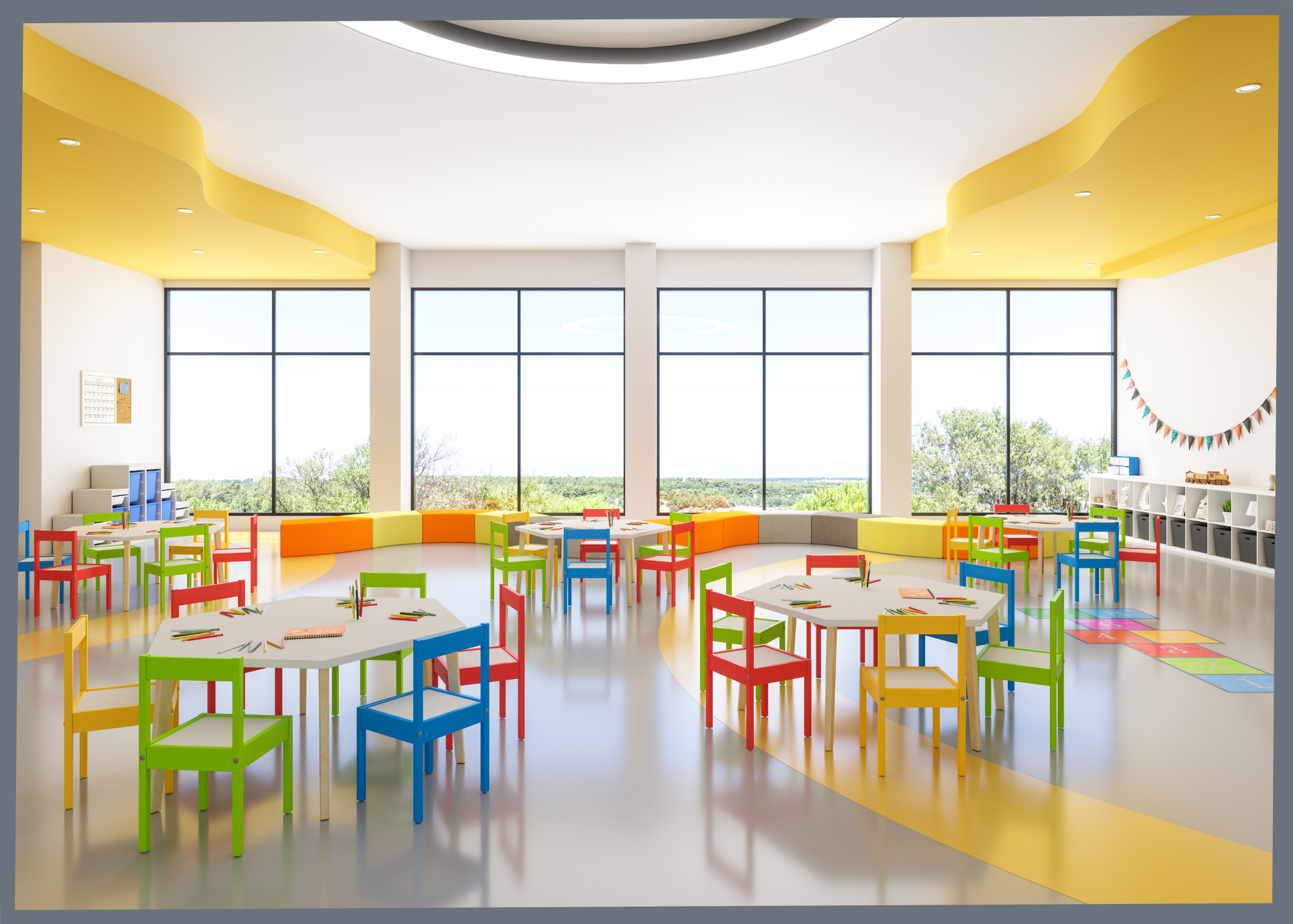
CHOOSE SIMPLE AND FUNCTIONAL FURNITURE
Choosing simple and functional furniture for the classroom helps teachers create a minimalist classroom because it eliminates visual clutter, which can be distracting for students.
When designing a minimalist classroom, select furniture that serves a specific purpose and has clean lines. If it is too complex, it begins to clutter the room or become an eyesore, completely defeating the purpose of minimalism. Simple furniture is also easier to arrange and rearrange as needed, allowing teachers to quickly customize the classroom for different activities or group sizes.
Additionally, you can avoid clutter by choosing pieces that can serve multiple purposes, such as a chair that can also be used as a desk. When you do this, you will need less pieces and you’ll have more room and less clutter.

STICK TO A NEUTRAL COLOUR PALETTE
Using a neutral colour palette can help you to design a minimalist classroom by creating a calming, focused learning environment. Wherever possible, stick with neutral colours such as white, gray, and beige for walls, floors, and furniture. This creates a clean and peaceful atmosphere that won’t distract from the learning process.
Neutral colours like white, black, grey, and beige have a calming effect on the classroom since they are not as distracting as brighter colours. Neutral colours also create an atmosphere of simplicity and order, which can help students focus on their work and reduce stress.
Additionally, neutral colours make it easier to add accents and decorations to a classroom without making it look cluttered or overwhelming. This can help you create a more aesthetically pleasing classroom without taking away from your students’ learning experience.
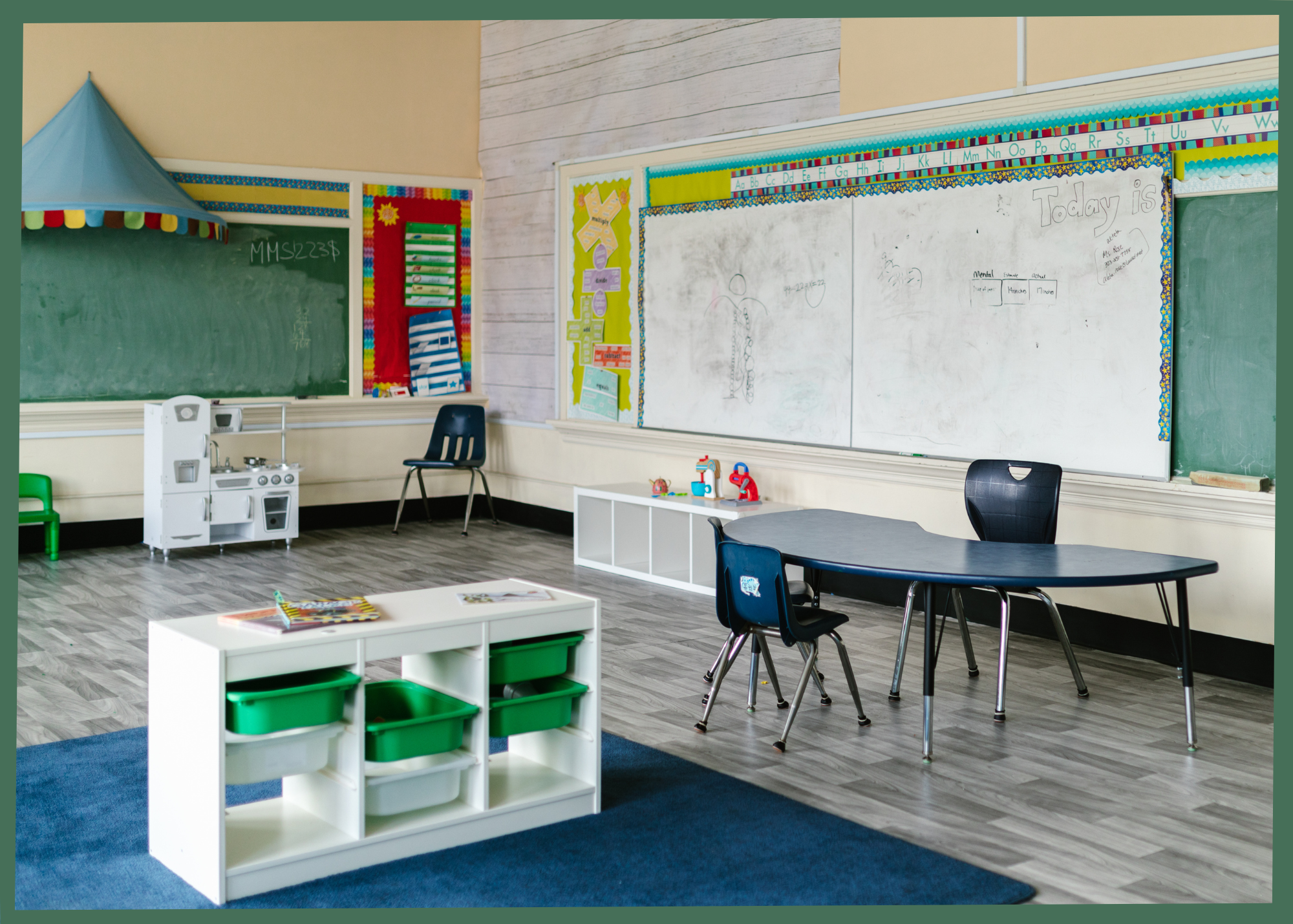
KEEP DECOR TO A MINIMUM
When designing your classroom, limit decorative items to a few key pieces that are meaningful and relevant to the curriculum. Keeping decor to a minimum reduces visual distractions and clutter. This helps maintain a simple look and minimizes distractions for students.
Keepin in mind that minimalist classrooms can help to create a more focused learning environment, as students can more easily focus on the task at hand without being overwhelmed by busy decor, so don’t add things that don’t need to be there.
Minimal decor also helps to create a sense of calm in the classroom, allowing students to feel more relaxed and comfortable while learning. It can also help to create a more organized and efficient classroom, as you can more easily keep track of your teaching supplies and resources.

MAKE USE OF NATURAL LIGHT
Whenever possible, maximize the use of the natural light in your classroom to create a bright and airy space.
Using natural light in the classroom is beneficial for both the students and teachers. Natural light has a range of positive effects, both physically and mentally, on those in the classroom.
Physically, natural light helps regulate the body clock, which can help students stay more alert and focused throughout the day. It also helps reduce eye strain, headaches, and fatigue that can be caused by artificial lighting. Mentally, natural light contributes to improved moods, increased productivity, and better cognitive performance.
Using natural light to create a minimalist classroom can also help increase focus and concentration. The fewer distractions in the classroom, the better the students can concentrate on their work.

USE DIGITAL TOOLS
Using digital tools in the classroom can help you create a minimalist classroom by reducing the need for traditional materials such as textbooks, worksheets, and other physical materials. Using digital tools is an excellent way to reduce paper waste.
Whenever and wherever you can, encourage your students to use digital tools, such as laptops and tablets, instead of paper and pencils. This helps to reduce clutter and waste in the classroom.
Digital tools can help streamline the teaching process by providing access to learning materials, resources, and activities that can, generally, be accessed quickly and easily.
Using digital tools can also you to easily keep track of student progress and performance, reducing the need for additional paperwork and binders in your room. Additionally, utilizing digital tools can reduce the need to purchase additional supplies, freeing up resources for other classroom needs.
Ultimately, digital tools can help you to create a minimalist classroom that is both efficient and effective.

ENCOURAGE ORGANIZATION
You are not the only person responsible for your classroom! Encouraging organization among your students helps create a minimalist classroom because it supports you in keeping the classroom organized and clutter-free.
Teach students the importance of organization and help them develop habits that support a minimalist lifestyle. Encourage them to keep their workspace clean and free of clutter.
When a classroom is organized, it is easier to find things and to keep the space tidy. Additionally, it helps to reduce distractions, allowing your students to focus on their work.
Organization will also allow you to prioritize what materials are necessary in the classroom and what can be left out, resulting in a more minimalist aesthetic.
Lastly, an organized classroom can have a calming effect, helping your students to feel more relaxed and productive. When everyone knows where things can be found and routines and structures are in place, it helps create calm and contentment.
Overall, by following these tips, you can create a minimalist classroom that is conducive to learning and focused on the needs of your students. Have you tried a minimalist classroom? Have I missed any super helpful tips that work well? Let me know!
ENJOYED THIS? HERE ARE SOME OTHER BLOG POSTS ON KATIE IS A TEACHER YOU MAY LIKE:


WANT EVEN MORE? HERE ARE SOME KATIE IS A TEACHER RESOURCES YOU MAY BE INTERESTED IN:


 katieisateacher.com