
Teaching theme to your junior high students does not have to result in blank stares and lacklustre responses. With the right strategies and creative approaches, you can transform theme lessons into engaging, meaningful learning experiences that resonate with young learners long after they leave your classroom.
Understanding theme is one of the most important literary skills students can develop. It helps them connect literature to their lives, think critically about the world around them, and discover the profound messages that great stories hold. Whether you are introducing the concept for the first time or deepening existing knowledge, this comprehensive guide will provide you with innovative strategies to make teaching theme memorable and effective.
WHY TEACHING THEME MATTERS FOR JUNIOR HIGH STUDENTS
Junior high is the perfect developmental stage for exploring literary themes. At this age, students are naturally curious about big ideas, questioning their place in the world, and beginning to think more abstractly. They are eager to discuss characters, stories, and plot points, making them ideal candidates for unpacking complex themes.
When students learn to identify and analyse themes, they develop critical thinking skills that extend far beyond English class. They learn to recognise patterns, make connections between different texts and experiences, and understand that stories can communicate powerful messages about the human experience.
Building these foundational skills in junior high are vital for student success as they move their way though senior high and post secondary schooling. These academic skills can be honed and built with intentional teaching in junior high.

START WITH SHORT STORIES AND FOCUS ON A SINGLE THEME
When introducing the concept of theme, simplicity is key. Begin by having students read a short story together that focuses on a single, clear theme. Short stories are ideal for this purpose because they’re manageable in length and typically concentrate on one central message.
As you read, discuss the meaning of relevant words and phrases. Pause frequently to explore how different story elements, such as characters, setting, conflict, and resolution, work together to communicate the theme. By breaking the analysis down into smaller, digestible chunks, students will gain a better understanding of how themes emerge from the text.
Consider starting with accessible short stories like “Thank You, Ma’am” by Langston Hughes (themes of kindness and redemption), “The Scarlet Ibis” by James Hurst (themes of pride and acceptance), or “Seventh Grade” by Gary Soto (themes of identity and growing up). These stories offer clear themes that junior high students can readily identify and discuss.
PRACTICAL ACTIVITIES FOR SHORT STORY ANALYSIS
Some activities you may want to do with your students as you read through short stories include:
- Create a theme statement together as a class after reading
- Use graphic organisers to track how different story elements support the theme
- Compare the theme to the story’s title and discuss the connection
- Have students write a one-paragraph summary that includes the theme

PROGRESS TO LONGER STORIES AND NOVELS
Once students have become comfortable with identifying themes in short stories, challenge them to explore deeper, more complex themes by reading longer works or novels. Full-length novels often contain multiple themes, subthemes, and more nuanced messages about human experience.
As you read longer texts, have students regularly summarise the plot and identify evidence within the text that expresses particular themes. This ongoing practice can help students recognise how themes develop over time rather than appearing in a single moment.
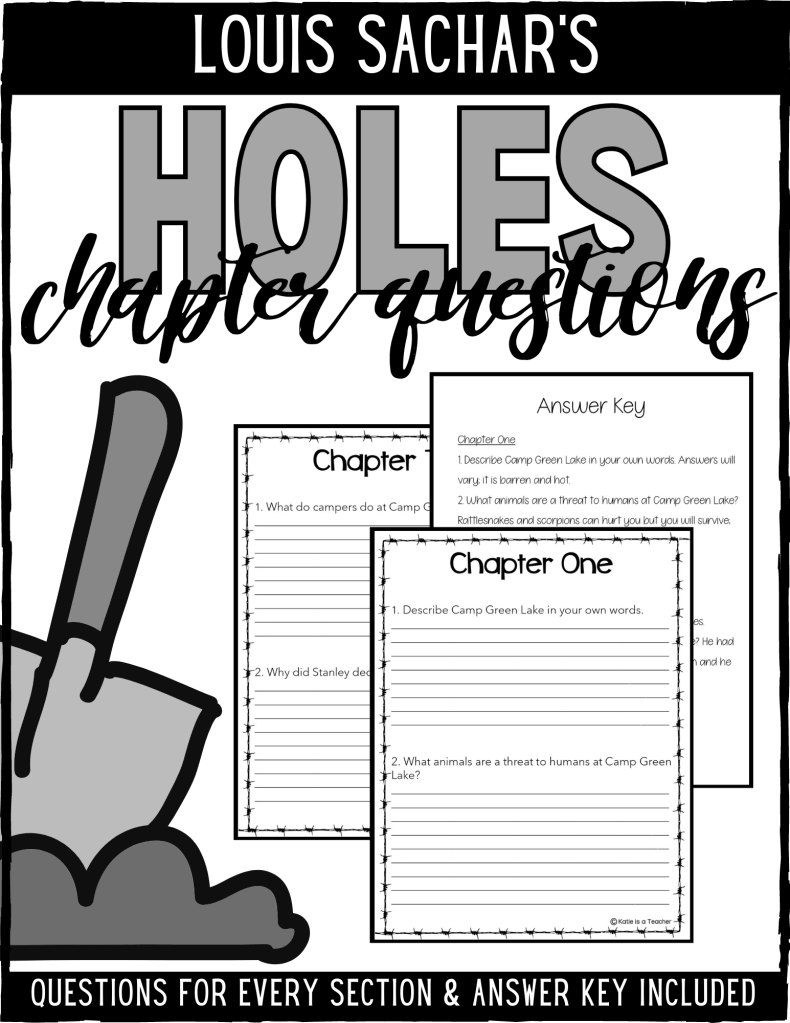
Consider novels that resonate with junior high students’ experiences and interests: “The Outsiders” by S.E. Hinton, “Holes” by Louis Sachar, “Wonder” by R.J. Palacio, or “The Giver” by Lois Lowry are all great choices. These novels offer rich thematic content while remaining accessible and engaging for this age group.
STRATEGIES FOR NOVEL-LENGTH THEME ANALYSIS
Some effective strategies to use with your students when reading longer texts include:
- Keep a running theme tracker throughout the reading
- Identify key passages or quotes that illuminate the theme
- Discuss how the theme evolves from beginning to end
- Compare themes across different novels students have read

ENGAGE STUDENTS WITH REAL-WORLD CONNECTIONS
One of the most effective ways to enhance theme lessons is by engaging students with real-world connections. When students can relate literary themes to current events, popular culture, or their own personal experiences, they begin to see the relevance and importance of understanding themes in literature.
This approach makes lessons more relatable and encourages students to think critically about how themes impact their own lives. By making these connections, students become more invested in the material and retain information for a longer period.
MAKING REAL-WORLD CONNECTIONS MEANINGFUL
Hold brainstorming sessions where students can share stories from their own lives that speak to the same theme as the book they are reading. For example, if you’re studying a novel with themes of perseverance, you can ask students to share examples of perseverance they may have witnessed in their families, communities, or in the news.
Try connecting themes to:
- Current events and news stories
- Popular movies, TV shows, or music
- Social media trends and online culture
- Historical events and figures
- Personal experiences and family stories
- Community issues and local concerns
Encourage students to think beyond the text and discuss how universal themes can be explored to enrich their understanding of the world. This deeper level of engagement helps students see literature not as something separate from their lives but as a mirror reflecting human experience across time and place.

UTILISE MULTIMEDIA RESOURCES FOR A MULTI-SENSORY EXPERIENCE
Today’s junior high students are digital natives who engage with content across multiple platforms and formats. Leverage this by incorporating videos, podcasts, interactive websites, and other digital tools into your theme lessons.
Multimedia resources provide students with different ways to engage with and understand themes, catering to varying learning styles and preferences. By supplementing traditional text-based lessons with multimedia elements, you create a more dynamic and memorable learning experience.
EFFECTIVE MULTIMEDIA RESOURCES FOR TEACHING THEME
There is an abundance of multimedia resources you can try using in your classroom! Try some of the following:
- Film clips: Show how visual storytelling communicates themes through cinematography, music, and acting
- TED Talks: Connect themes to real-world issues and contemporary thought
- Podcasts: Use narrative podcasts like “This American Life” to analyse theme in audio storytelling
- Music and lyrics: Analyse how songs communicate themes through lyrics and musical elements
- Interactive websites: Use platforms like CommonLit or Newsela for differentiated reading materials
- Student-created content: Have students produce videos, podcasts, or digital presentations exploring themes
When incorporating multimedia, always prompt students to analyse and evaluate the themes presented in different forms of media. Ask questions such as: How does this medium communicate the theme differently than a written text? What unique tools does this format use to express meaning?

ENCOURAGE CRITICAL THINKING AND DISCUSSION
Rich, meaningful discussions are at the heart of effective theme instruction. Move beyond simple identification of themes to deeper analysis and evaluation. Challenge students to think critically about the themes they encounter and to articulate their thinking clearly.
Create a classroom environment where students feel comfortable sharing their interpretations, even if and when those interpretations may differ from their peers. Remember that theme is often subjective, and multiple valid interpretations can coexist.
DISCUSSION STRATEGIES THAT PROMOTE CRITICAL THINKING
There a plenty of different discussion strategies you may want to try in your classroom, such as:
- Socratic seminars: Let students lead discussions with open-ended questions about themes
- Debate format: Have students argue different interpretations of a text’s theme
- Think-pair-share: Give students time to formulate thoughts before sharing with the class
- Fishbowl discussions: Have small groups discuss while others observe and take notes
- Written discussions: Use online forums or discussion boards for quieter students to participate
- Hot seat: Have students role-play characters and answer questions about thematic issues from their character’s perspective
Ask thought-provoking questions such as: Why did the author choose to explore this particular theme? How does understanding this theme change your perspective on the story? What evidence from the text best supports this interpretation? How might someone interpret this theme differently, and why?
By engaging in thoughtful discussions, students gain new perspectives and insights that can further enhance their understanding of the themes being studied. These conversations also build the communication and argumentation skills essential for academic success.

INCORPORATE CREATIVE PROJECTS TO DEEPEN UNDERSTANDING
Creative projects allow students to apply their critical thinking skills in hands-on, meaningful ways. When students create something tangible that represents their understanding of theme, they process the material more deeply and develop a sense of ownership over their learning.
Ask students to create visual representations of the themes they’ve been discussing. This could be a collage, drawing, painting, infographic, or even a video. Invite them to explore various methods of expressing theme, and then share their creations with the class.
CREATIVE PROJECT IDEAS FOR TEACHING THEME
There are so many different projects students may want to complete to illustrate their knowledge of theme. Try out some of the following:
Visual Arts Projects:
- Create a symbolic collage using magazine cutouts that represent the theme
- Design a movie poster for the book that emphasises its central theme
- Illustrate a graphic novel page depicting a key thematic moment
- Build a diorama that symbolically represents the theme
Writing Projects:
- Write an alternative ending that emphasises a different theme
- Compose a poem or song lyrics inspired by the theme
- Create a children’s book that teaches the same theme in simpler terms
- Write a personal narrative essay connecting the theme to their own life
Performance Projects:
- Perform a scene that illustrates the theme, followed by an explanation
- Create a newscast reporting on events from the story through a thematic lens
- Develop a podcast episode discussing the theme and its relevance
- Produce a short film or video essay analysing the theme
Multimedia Projects:
- Design a website or blog exploring the theme across multiple texts
- Create a Spotify playlist with songs that connect to the theme, including written explanations
- Develop a social media campaign promoting the theme’s message
- Build an interactive presentation using tools like Prezi or Google Slides
The key to successful creative projects is giving students choice and autonomy. Provide options and let students select the format that best matches their interests and strengths. This approach empowers students to think critically and engage with material on a deeper level while expressing their unique perspectives and interpretations.

ASSESSMENT STRATEGIES FOR THEME UNDERSTANDING
Assessing students’ understanding of theme requires varied approaches that go beyond traditional tests. Consider using some of these assessment methods:
- Theme statements: Have students write clear, concise theme statements with textual evidence
- Comparative analysis: Ask students to compare themes across two or more texts
- Exit tickets: Use quick writes to check for understanding after discussions
- Rubric-based project assessment: Evaluate creative projects with clear criteria
- Self-reflection: Have students reflect on their growth in understanding theme over time

COMMON CHALLENGES AND SOLUTIONS
There are a lot of challenges that can arise when teaching theme to your junior high kiddos! Here are a few common challenges and some solutions to help you (and your students) work through them:
Challenge: Students confuse theme with topic or moral.
Solution: Use clear examples and non-examples. Emphasise that theme is a complete idea about life, not a single word or a simple lesson.
Challenge: Students struggle to support their theme interpretations with evidence.
Solution: Model the process repeatedly and use think-alouds to show how you identify evidence. Provide graphic organisers that guide students through the connection between evidence and theme.
Challenge: Some students dominate discussions while others remain silent.
Solution: Use varied discussion formats and provide wait time. Incorporate written responses before oral discussion so all students can formulate thoughts. As the teacher, do your best to not always call on the same students if you are leading whole-class discussions.
Challenge: Students lose interest in longer texts.
Solution: Break reading into manageable chunks with frequent check-ins. Incorporate multimedia tie-ins and maintain real-world connections throughout.

BUILDING A THEMATIC CURRICULUM
You may want to consider organising your entire curriculum around universal themes that appear across multiple texts and genres. This approach helps students recognise recurring themes and understand literature as a conversation across time and culture.
Potential organising themes might include: identity and belonging, power and justice, tradition versus change, individual versus society, courage and perseverance, love and sacrifice, appearance versus reality, and coming of age.
When students encounter the same themes in different contexts, such as different genres, time periods, or cultures, they develop a more sophisticated understanding of how literature explores universal human experiences.

WRAPPING IT UP: EMPOWERING STUDENTS TO THINK DEEPLY
By incorporating real-world connections, multimedia resources, critical thinking discussions, and creative projects into your theme lessons, you can truly revolutionise the learning experience for junior high students. These innovative strategies engage students in interactive and immersive ways that foster deeper understanding and genuine appreciation for themes in literature.
Teaching theme is ultimately about training young minds to think critically and creatively about the stories they encounter in books, in media, and in their own lives. As Albert Einstein wisely said, “education is not the learning of facts, but the training of the mind to think.”
Start implementing these strategies today and watch as your students’ comprehension and enthusiasm soar to new heights. Let their imaginations roam free as they unlock the power of great literature and discover the profound messages that stories hold. When you create an environment where theme exploration is engaging, relevant, and creative, you give your students tools they will use throughout their lives to make meaning from the stories all around them!
ENJOYED THIS? HERE ARE SOME OTHER BLOG POSTS ON KATIE IS A TEACHER YOU MAY LIKE:



WANT EVEN MORE? HERE ARE SOME KATIE IS A TEACHER RESOURCES YOU MAY BE INTERESTED IN:


 katieisateacher.com