

Are you tired of the same old teaching tools, methods, and strategies you seem to have been doing forever? Are you ready to break into a new level of excellence and innovation in your classroom?
If so, it’s time to embrace the power of feedback. Not the same old “here’s your test back with a couple of notes” feedback (because we all know most kids don’t read that anyway). What we really want to strive for is a teaching environment in which students are not only engaged, they are also inspired to reach their full potential.
In this post, I will delve into the art of feedback and explore how it can revolutionize your teaching. By mastering effective feedback strategies, teachers will be better able to create a supportive learning environment in which every student can thrive. Get ready to take your teaching to new heights as we discuss the secrets to transforming your classroom through the mastery of feedback.

WHY FEEDBACK MATTERS
Feedback is an essential element in supporting our students and aiding in their academic growth. It is absolutely crucial in the assessment (and therefore growth) process because it serves multiple purposes that benefit both teachers and students.
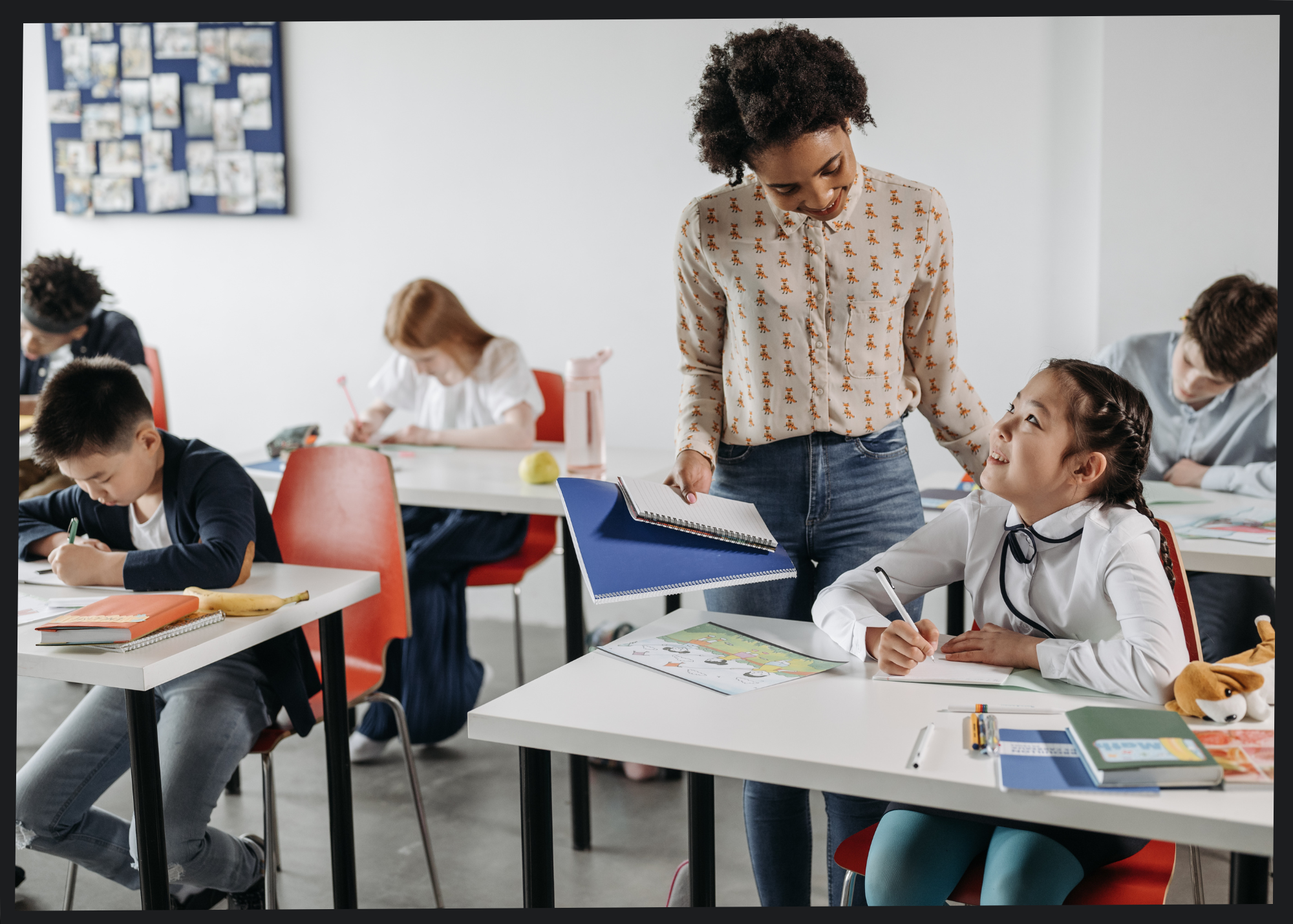
First, feedback is important for clarification and understanding. Providing meaningful feedback helps our students to better understand where they stand in terms of their performance, what they did well, and where they need improvement. It also creates an opportunity for communication between teachers and students. Feedback allows for a dialogue in which students can ask questions, seek clarification, and engage in discussions about their learning. This fosters a collaborative learning environment where students feel supported and valued.
Constructive feedback can also be highly motivating for students. Positive feedback reinforces good performance, encouraging students to continue doing well and trying their best. Meanwhile, constructive criticism also provides guidance for improvement, motivating your students to strive for better outcomes.
Additionally, feedback provides insights into effective learning strategies that your students may want to use. By understanding what works well and what does not, based on feedback and performance, students can adjust their writing, studying, or other learning methods accordingly. As a teacher, you can also tailor your teaching approaches based on the feedback provided to students.
One of the most important life-skills feedback provides is that it helps students develop self-regulation skills by encouraging them to reflect on their performance and take ownership of their learning. Personally, this is something I struggled with a lot as a student; I looked at my grade but ignored feedback. Now, in the position of teacher, I make sure my students know how important feedback is and I ensure I am providing it in multiple ways.
We know that when students receive feedback on their work, they learn to evaluate their own progress and make adjustments independently. Therefore, we need to ensure they are really intaking that feedback.
UNDERSTANDING THE DIFFERENT TYPES OF FEEDBACK
To truly improve and master the art of feedback, it is crucial to recognize the different types of feedback that exist. Feedback is not a one-size-fits-all approach . It actually encompasses a range of techniques and strategies that can be utilised to meet the unique needs of your students.
First, evaluative feedback focuses on assessing and grading students’ performance based on predetermined standards or criteria. This type of feedback is most commonly used to provide students with a clear understanding of their progress and to help them gauge their level of achievement. Evaluative feedback can be particularly useful when setting goals and expectations for students, enabling them to track their development over time. What’s most important to remember here is that students should always know the evaluation criteria before they begin a project, assignment, or test. Providing them with a rubric and grade after the fact does little, if anything, to improve their knowledge or skills.
Second, descriptive feedback entails providing detailed observations and explanations about students’ work. Instead of simply assigning a grade, this type of feedback delves deeper, offering constructive criticism and specific suggestions for improvement. Descriptive feedback is invaluable in helping students understand where they can enhance their skills and knowledge, pointing them toward the right path for growth and development. To ensure this feedback prove useful, you need to ensure your students are actually reading, listening to, or otherwise intaking the feedback.
Next, appreciative feedback aims to recognize and highlight students’ strengths and accomplishments. By acknowledging their achievements and strengths, appreciative feedback not only boosts students’ self-confidence but also reinforces positive behaviour and performance. This form of feedback fosters a sense of motivation and encourages students to continue excelling in their academic performance. This is good for all students, but can be very useful for those who shut down or are otherwise reactive to negative feedback; this can help ease them in and build a relationship so that they are more receptive in the future to further feedback.
Lastly, corrective feedback concentrates on correcting misconceptions or errors in students’ understanding. This type of feedback focuses on guiding students toward the correct solution or concept, challenging their thinking and guiding them in the right direction. Corrective feedback is invaluable in helping students overcome obstacles and misconceptions, ultimately leading to deeper understanding and improved performance. Again, this is great for most students, and I find it can be very useful in gifted or advanced classes to challenge their ways of thinking.
Recognizing these four different types of feedback is vital for effective implementation in the classroom. By utilizing a variety of feedback strategies tailored to your students’ individual needs, you can create an environment that fosters growth, engagement, and personal success.

EFFECTIVE FEEDBACK STRATEGIES
By utilizing a variety of feedback strategies personalised to your students’ individual needs, you can create an environment that fosters growth, engagement, and success. Understanding the different feedback types sets the stage for exploring effective strategies that will enhance your teaching experience and help you create a supportive learning environment.
The first effective feedback strategy is to ensure that it is timely. Providing feedback in a timely manner is crucial to ensure its effectiveness. Delayed feedback may result in students not fully understanding the context or relevance of the feedback, diminishing its impact. By offering immediate feedback, either through in-class discussions, individual conferences, or online platforms, you can address misconceptions, reinforce positive behaviours, and guide students toward improvement while the information is still fresh in their minds.
You should also provide specific feedback. Generalized comments such as “good job” or “needs improvement” lack the specificity needed for students to make meaningful changes in their learning. Instead, aim to provide specific feedback that highlights their individual strengths and areas for growth. For example, instead of saying “great work on your essay,” you could say, “Your essay effectively analyses the main theme, but consider providing more supporting evidence to strengthen your argument.” Specific feedback guides students toward a clear understanding of their progress and areas that require further attention.
Feedback should be balanced. Striking a balance between positive feedback and areas for improvement is essential for building students’ motivation and growth. While it’s crucial to acknowledge students’ achievements, solely focusing on their strengths may lead to complacency. Conversely, solely highlighting their weaknesses may discourage them. By providing a balanced mix of praise and constructive criticism, you can motivate students to build upon their successes while working toward overcoming challenges.
Finally, work on providing goal-oriented feedback. Effective feedback is not only about pointing out mistakes but also about helping your students progress toward their learning goals. By aligning your feedback with the objectives of your lessons or assignments, you can provide guidance on how students can bridge the gap between their current performance and desired outcomes. Encourage students to set specific goals based on your feedback and provide them with strategies or resources to help them achieve those goals.
With these feedback strategies in mind, you can help to create a supportive learning environment that nurtures your students’ growth and success.

CREATING A SUPPORTIVE LEARNING ENVIRONMENT
In addition to providing effective feedback, it is essential to create a supportive learning environment that nurtures student growth and success. When students feel supported and encouraged, they are more likely to engage actively in their learning journey and strive for improvement. Here are some strategies to help you cultivate a supportive learning environment.
First, work to foster open communication. Encourage open and honest communication with your students. Create a safe space where they feel comfortable asking questions, sharing their thoughts and opinions, and seeking clarification when they are unsure. When students know that their voices are valued and respected, they are more likely to actively participate in class discussions and seek feedback to enhance their understanding.
Second, ensure you have established a positive classroom culture. Set clear expectations for behaviour and mutual respect in the classroom. Emphasize the importance of collaboration, kindness, and empathy among your students. By promoting a positive classroom culture, you create an environment where students feel comfortable taking risks, making mistakes, and supporting one another’s learning.
Next, provide emotional support. Recognize that learning is not simply an intellectual process but also an emotional one. Acknowledge the emotional challenges that students may face and provide support when needed. Be attuned to their needs and offer guidance or resources to help them overcome obstacles and stay motivated.
Finally, try to encourage peer support. Facilitate opportunities for peer support and collaboration. Encourage students to work together, ask one another for help, and provide constructive feedback. When students feel supported by their peers, they can develop a sense of community and enhance their learning through collective efforts.
By creating a supportive learning environment, you lay the foundation for fostering a growth mindset among your students. This mindset is essential for embracing challenges, persisting through setbacks, and actively seeking opportunities for growth and improvement.

FOSTERING GROWTH MINDSET
By creating a supportive learning environment, you lay the foundation for fostering a growth mindset among your students. This mindset is essential for embracing challenges, persisting through setbacks, and actively seeking opportunities for growth and improvement. Encouraging peer support and collaboration is a powerful way to cultivate a growth mindset within your classroom.
When students work together, ask each other for help, and provide constructive feedback, they develop a sense of community and enhance their learning through collective efforts. Peer support not only provides additional perspectives and ideas, but it also promotes a culture of collaboration and mutual support. Students learn that their peers can be valuable resources and allies in their educational journey.
Moreover, when students receive feedback from their peers, they are more likely to perceive it as constructive rather than critical. This perspective shift fosters a growth mindset, in which students see feedback as an opportunity for growth and improvement rather than a judgment of their abilities. It encourages them to embrace challenges and view setbacks as stepping stones toward success.
In addition, peer support allows students to learn from one another’s strengths and areas for improvement. They can observe and emulate successful strategies used by their peers, while also providing guidance and support to those who may be struggling. This collaborative learning environment helps students recognize that their abilities are not fixed, but can be developed through effort and practice.
By fostering a growth mindset through peer support, you help to set the stage for students to actively seek out feedback, both from their peers and from you as their teacher.

IMPLEMENTING FEEDBACK IN YOUR CLASSROOM
By establishing a growth mindset and promoting peer support in your classroom, you have laid the groundwork for students to actively seek feedback. Now, let’s explore practical techniques to effectively implement feedback and further enhance the learning experience for your students.
Firstly, it is crucial to establish an environment where feedback is a regular part of the learning process. Encourage open communication and create a safe space where students feel comfortable giving and receiving feedback. Emphasize the importance of constructive criticism and teach students how to provide feedback that is specific, actionable, and kind.
One effective technique, as previously mentioned, is providing timely feedback. As soon as possible after an assignment or activity, offer feedback to your students. This allows them to reflect on their work while it is still fresh in their minds, enabling them to make meaningful connections between the feedback and their performance. It also demonstrates that you value their efforts and are invested in their growth as learners.
Another technique is to make feedback a two-way street. Encourage students to self-assess their work before receiving feedback from you. This helps them develop a critical eye and take ownership of their learning. Additionally, consider incorporating peer feedback sessions, where students provide feedback to their classmates. This not only distributes the workload but also promotes collaboration and student engagement.
When providing feedback, be specific and highlight both strengths and areas for improvement. Instead of vague statements like “good work” or “try harder,” provide concrete examples and suggestions for growth. For instance, instead of saying “Your paper needs improvement,” you could instead say, “You have a clear objective, but you need to add more transitions between paragraphs to improve the flow of your writing.”
Furthermore, make feedback actionable by setting clear goals and offering strategies for improvement. Help students understand how to apply the feedback they receive to future assignments or activities. By providing specific steps for growth, you empower students to take ownership of their learning and make meaningful progress.
Finally, be mindful of the delivery method for feedback. While face-to-face discussions can be valuable, consider using a combination of verbal, written, and digital feedback. This allows students to revisit and reflect on the feedback at their own pace and in a format that suits their learning style. Leveraging technology tools, such as online platforms or apps, can also streamline the feedback process and enable efficient communication.
By implementing these techniques, you will create a classroom environment that values growth, fosters collaboration, and promotes continuous improvement.

Mastering the art of feedback is not just a nice-to-have skill for teachers; it’s essential for revolutionizing your approach to teaching and student growth. By understanding the importance of feedback, utilizing various strategies, and creating a supportive learning environment, you can unlock the true potential of your students.
Remember, feedback is not simply about correcting mistakes, but about empowering your students to grow and thrive at their own pace. Start implementing these feedback techniques today and witness the remarkable impact they can have on your students’ learning journey.
ENJOYED THIS? HERE ARE SOME OTHER BLOG POSTS ON KATIE IS A TEACHER YOU MAY LIKE:



WANT EVEN MORE? HERE ARE SOME KATIE IS A TEACHER RESOURCES YOU MAY BE INTERESTED IN:



 katieisateacher.com