
Imagine walking into a classroom where students are not only tolerant of other cultures, but also genuinely appreciate and respect their practices. Where cultural diversity is not just acknowledged, but celebrated. Where the fine line between cultural appreciation and appropriation is understood and upheld. Sounds like an ideal educational setting, right?
In this post, we will explore the delicate balance between cultural appreciation and appropriation, and how teaching students to distinguish this fine line can foster a more inclusive and culturally aware generation.
By understanding the difference and fostering a respectful approach, we can help students embrace diverse cultural practices and create a classroom that truly represents the richness of our global society.

DEFINING CULTURAL APPRECIATION AND APPROPRIATION
To fully understand the delicate balance between cultural appreciation and appropriation, it is essential to define both of the terms. Cultural appreciation refers to the sincere admiration and respect for a culture, its practices, and traditions. It involves learning about different cultures, engaging in meaningful dialogue, and celebrating the diversity that exists in our world. Genuine cultural appreciation embraces the idea that each culture has something valuable to offer, and seeks to foster understanding and connection.
On the other hand, cultural appropriation occurs when elements of a culture are borrowed or adopted without proper understanding or respect. It often involves taking aspects of a culture out of context, commodifying them, and/or using them for personal gain or as a fashion statement. Cultural appropriation can result in the erasure of the cultural origins, perpetuation of stereotypes, and harm to already marginalized communities.
While cultural appreciation encourages learning and understanding, cultural appropriation involves taking without permission, devaluing cultural practices, and often reinforcing power imbalances. It is crucial for students to recognize this distinction, as it is the first step in promoting cultural sensitivity and respect.
By teaching students to distinguish between cultural appreciation and appropriation, we help them to develop a deeper understanding of different cultures, challenge their own biases, and become thoughtful participants in a diverse society.
RECOGNISING THE IMPACT OF CULTURAL APPROPRIATION
By understanding the impact of cultural appropriation, students can gain a deeper awareness of the harm it perpetuates. When cultural elements are taken without permission or proper understanding, it can lead to the commodification and commercialization of traditions that hold deep meaning and significance for cultural groups and communities. This can result in the erasure of the cultural context and history, reducing rich traditions to mere commodities for profit or personal gain.
Furthermore, cultural appropriation often reinforces power imbalances by appropriating elements from (often) minority cultures and using them in a dominant culture’s context without proper attribution or understanding. This can perpetuate stereotypes, reinforce discriminatory attitudes, and disempower already marginalized communities.
Recognizing the impact of cultural appropriation is essential for students as it encourages them to critically analyze their own actions and challenge the narratives that perpetuate inequality and injustice. By understanding the harm caused by cultural appropriation, students can actively work toward fostering inclusivity, respect, and social justice.

EDUCATING STUDENTS ON CULTURAL SENSITIVITY
Educating students on cultural sensitivity is an effective way to support them in navigating the delicate line between cultural appreciation and appropriation. This education involves providing students with the knowledge and tools to understand the historical, social, and political contexts of different cultures. It requires teaching them to recognize the power dynamics at play and to approach cultural interactions with curiosity, empathy, and respect.
One key aspect of educating students on cultural sensitivity is providing them with accurate and nuanced information about various cultures. This can be done through incorporating diverse perspectives and voices in the curriculum, inviting guest speakers from different cultural backgrounds, and utilizing culturally diverse resources and materials. By exposing students to a wide range of cultural experiences, they can develop a more comprehensive understanding of the complexities and richness of different cultures.
Additionally, educating students on cultural sensitivity involves teaching them how to engage in respectful and ethical cross-cultural interactions. This includes emphasising the importance of active listening, open-mindedness, and interest when engaging with individuals from different cultures. Students should be encouraged to ask questions, seek clarification, and approach cultural differences with a genuine desire to learn and understand.
Furthermore, fostering cultural sensitivity requires providing opportunities for students to actively engage in cross-cultural exchange. This can be achieved through cultural exchange programs, multicultural events, and collaborative projects that promote interaction and collaboration between different cultural groups. By creating spaces for meaningful cultural exchange, students can gain firsthand experiences and develop relationships that challenge stereotypes and foster mutual respect and understanding.
PROMOTING CROSS-CULTURAL EXCHANGE
Encouraging authentic engagement is crucial in the process of teaching students about cultural appropriation versus appreciation. It goes beyond passive observation or surface-level appreciation of another culture. Instead, it encourages students to immerse themselves in the culture and actively seek out opportunities to learn from and engage with individuals from different backgrounds. By doing so, students are able to gain a deeper understanding of different perspectives and practices, and develop a genuine appreciation for the richness and diversity of cultures.
This type of engagement can take many forms. For example, students can participate in language exchange programs, where they have the chance to not only learn a new language but also gain insights into the customs, traditions, and values associated with that language. They can also attend cultural events or festivals, where they can witness firsthand the vibrant traditions and practices of a particular culture.
Collaborative projects that involve students from diverse backgrounds can also be incredibly valuable. By working together toward a common goal, students have the opportunity to learn from one another’s unique strengths and perspectives, while also building empathy and understanding. These projects can span various academic disciplines, such as art, music, or history, and can serve as a platform for students to share and celebrate their own cultural backgrounds while also learning about others.
ENCOURAGING AUTHENTIC ENGAGEMENT
Encouraging authentic engagement is essential in fostering a genuine appreciation for different cultures. It involves going beyond surface-level interactions and actively seeking to understand and connect with people from diverse backgrounds. Authentic engagement requires students to approach cultural exchange with an open mind and a willingness to listen and learn.
One way to promote authentic engagement is by incorporating multicultural literature into the curriculum. By reading stories and narratives written by authors from different cultures, students can gain a deeper understanding of the experiences, perspectives, and traditions of different communities. This not only helps to challenge stereotypes and biases but also encourages students to see the world through the eyes of others.
Furthermore, teachers can organize field trips to cultural events, museums, and exhibitions that allow students to immerse themselves in different cultural experiences. These immersive and hands-on experiences provide an opportunity for students to see, hear, taste, and engage with aspects of different cultures firsthand. By actively participating and engaging in these experiences, students can develop a greater appreciation and respect for cultural diversity.
In addition, fostering open discussions and dialogue about cultural diversity in the classroom is crucial. Creating a safe and inclusive environment where students feel comfortable expressing their thoughts and asking questions encourages meaningful conversations about cultural differences. These discussions can help students develop critical thinking skills, challenge their own assumptions, and deepen their understanding of cultural complexities.
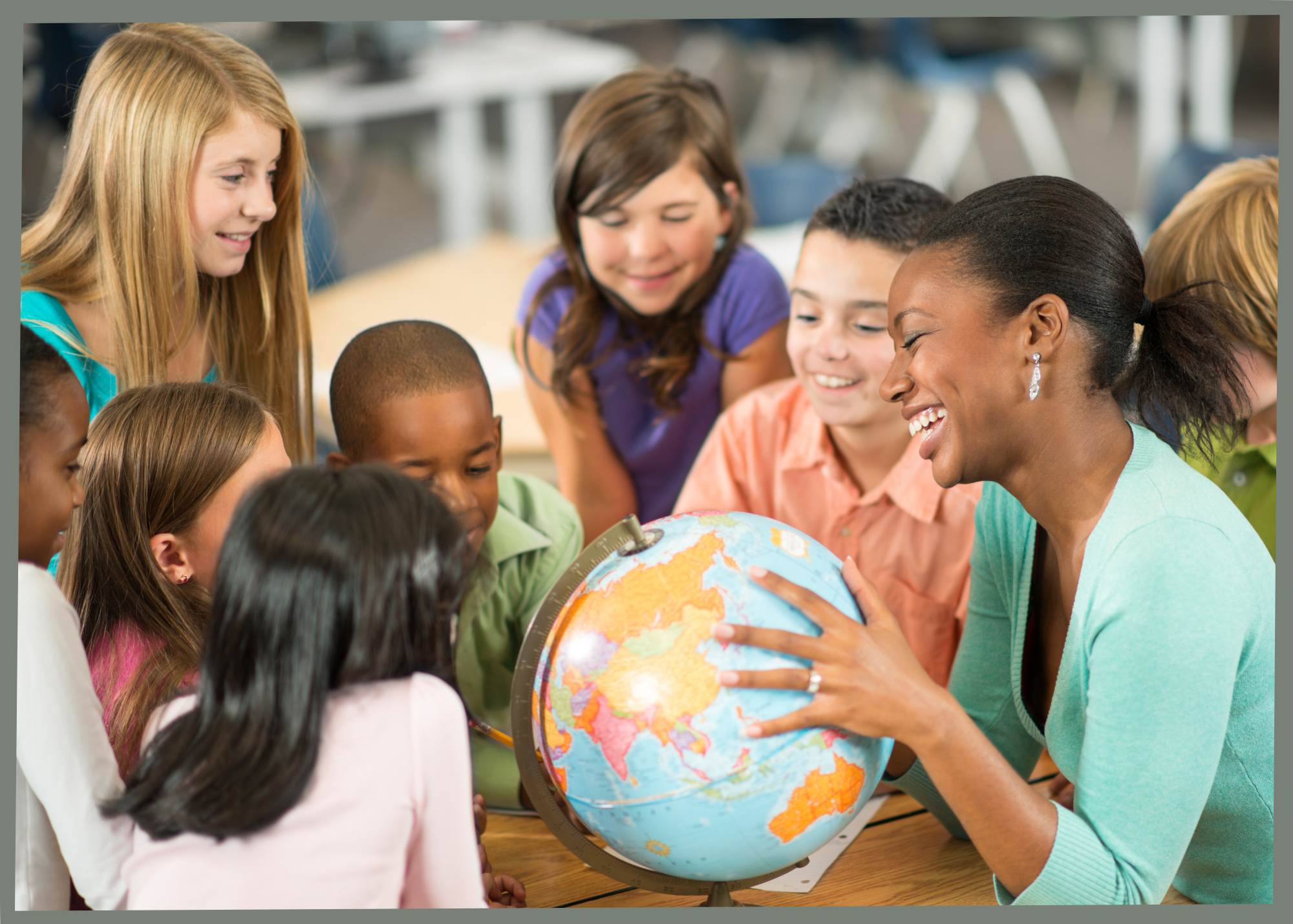
BUILDING A CULTURALLY AWARE CLASSROOM
Fostering a culturally aware classroom is essential for promoting inclusivity and understanding among students. In addition to teaching the importance of cultural appreciation and distinguishing it from appropriation, educators should strive to create an environment that values and encourages diversity.
One way to achieve this is by fostering open discussions and dialogue about cultural diversity. Creating a safe and inclusive space where students feel comfortable expressing their thoughts and asking questions is crucial. These discussions can lead to meaningful conversations about cultural differences, helping students develop critical thinking skills and challenge their own assumptions. By engaging in these conversations, students can deepen their understanding of cultural complexities and develop empathy towards different cultures.
Furthermore, promoting cross-cultural exchange is crucial in building a culturally aware classroom. Encouraging students to share their own cultural experiences and traditions can help create an environment that values diversity. By allowing students to learn from each other’s backgrounds, teachers can instill a sense of appreciation and respect for different cultures. This not only fosters cultural sensitivity but also promotes a genuine understanding and appreciation for the richness of diversity.
Teachers play a pivotal role in shaping students into culturally sensitive individuals. By implementing strategies that foster respect and empathy, they can create a classroom environment where cultural awareness is valued. Encouraging open discussions, cross-cultural exchange, and promoting understanding are vital components of building a culturally aware classroom.
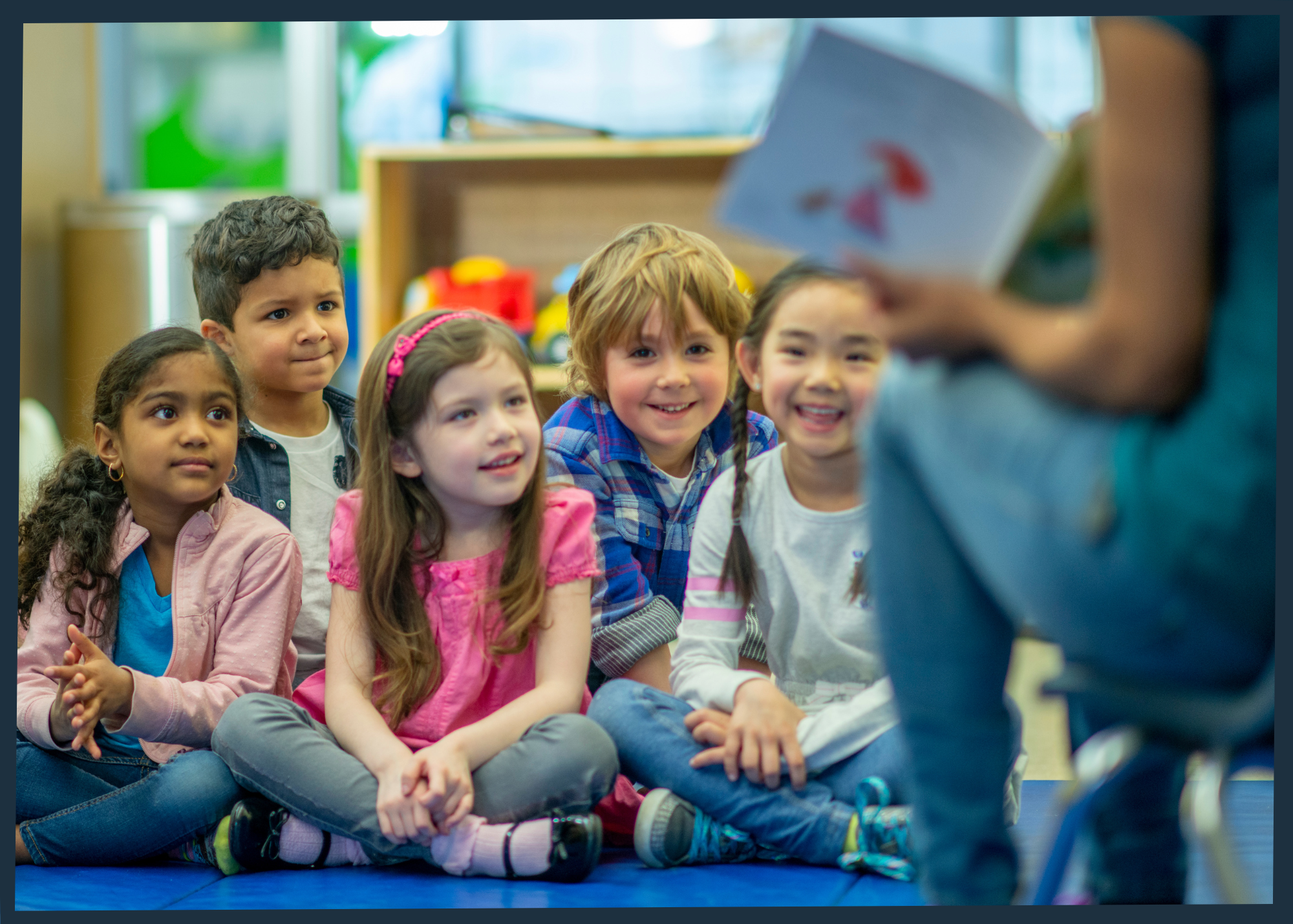
By creating a culturally aware classroom, teachers can take an active role in shaping a more inclusive and understanding society. Through their efforts, they are equipping students with the necessary tools to navigate a diverse world and fostering an environment that promotes mutual respect and appreciation.
Building a culturally aware classroom starts with fostering respect and empathy, and by implementing these strategies, teachers can play a pivotal role in shaping students into culturally sensitive individuals. Through this, they are not only preparing students for success in a globalized world but also contributing to the creation of a more harmonious and understanding society.
In a world that grows increasingly interconnected, it is crucial to educate students on the fine line between cultural appreciation and appropriation. By teaching our students to differentiate between the two, we empower them to embrace diversity with respect for other cultures. It is important for us to strive to create a generation of culturally aware individuals, celebrating the richness of traditions and practices worldwide.
ENJOYED THIS? HERE ARE SOME OTHER BLOG POSTS ON KATIE IS A TEACHER YOU MAY LIKE:


WANT EVEN MORE? HERE ARE SOME KATIE IS A TEACHER RESOURCES YOU MAY BE INTERESTED IN:




 katieisateacher.com