
As teachers, we constantly strive to find new and innovative ways to support all students in their learning journey. When it comes to dyslexic students, traditional teaching methods can often fall short in meeting their unique needs. But fear not, because a revolution is underway in the world of dyslexia education.
From multisensory approaches to personalised learning plans, and the integration of cutting-edge technology, we are breaking the mould and paving the way for a brighter future for learners who have dyslexia.
In this post, we will explore the groundbreaking strategies and tools that are reshaping the classroom experience for students with dyslexia. Join in on this journey as we dive into the latest advancements in dyslexia education and discover how you can empower your students with the tools and strategies they need to thrive.
MULTISENSORY APPROACHES FOR DYSLEXIC LEARNERS
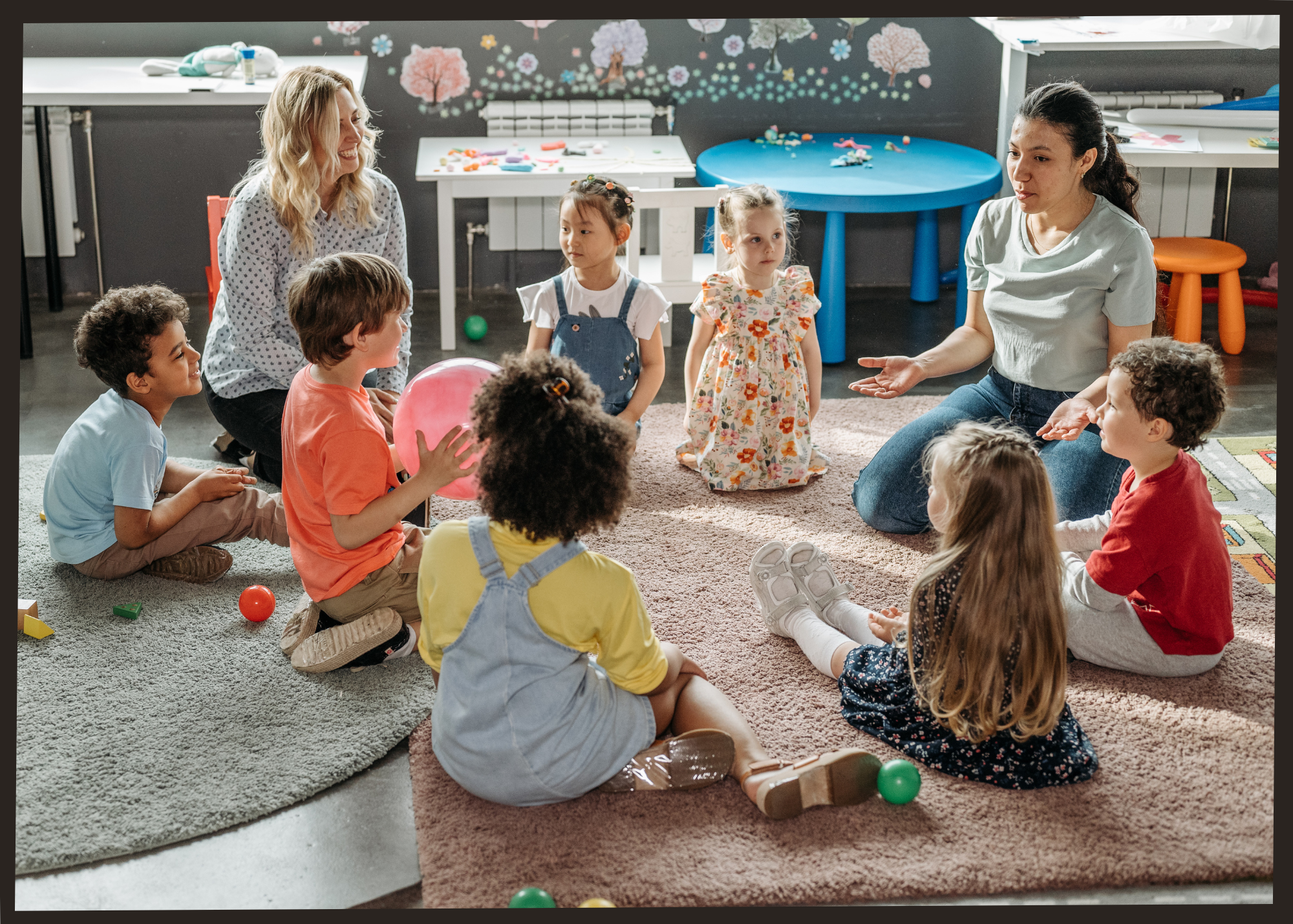
One key aspect of supporting dyslexic learners is through the implementation of multisensory approaches, which engage different senses to enhance learning. By incorporating visual, auditory, and kinesthetic elements into lessons and activities, teachers can cater to the diverse learning styles of dyslexic students and create a more inclusive learning environment. These multisensory strategies not only help dyslexic learners better understand and retain information but also foster a deeper appreciation for learning.
For example, you can ensure that you use plenty of visuals to help students better retain information, or to help them understand concepts when information provided is text-heavy. I always accompany any written instructions with visuals to help those who struggle with reading. Visuals are also very useful in helping students learn and retain new vocabulary. I find this particularly helpful in vocabulary-heavy courses such as Social Studies and Science.
Auditory support such as text-to-speech, podcasts, or videos can also support students. Being able to receive information without having to read it is extremely useful for students with dyslexia as they struggle to read, especially large pieces of text.
Finally, kinesthetic learning opportunities are extremely useful for students who have dyslexia (as well as for many of your other learners as well) as hands-on opportunities allow for students to utilise their knowledge and retain information. You can also have your students stand up and start moving around to help instil information. For example, when teaching division, you can have the class stand up and split themselves into equal sized-groupings. This can help students better understand concepts and become more involved in their learning as well.
Now, let’s delve into how personalised learning plans can further tailor education to meet the individual needs of dyslexic students.

PERSONALISED LEARNING PLANS: TAILORING EDUCATION TO INDIVIDUAL NEEDS
Personalised learning plans are crucial for tailoring education to meet the unique needs of dyslexic students. These plans involve individualised goals, strategies, and accommodations based on the specific strengths and challenges of each student. By creating personalised learning plans, educators can provide targeted support that addresses the specific learning difficulties associated with dyslexia, ultimately promoting student success and confidence in their academic abilities.
Having a personalised learning plan allows for teachers to read what educators did in past years and therefore getting a jump-start on what works for the student along with what does not. They can add their own goals, strategies, and tools to this as the year progresses, monitoring the student’s progress, what areas still need to be improved, and which tools work best in supporting them.
Furthermore, teachers can involve parents/guardians in the creation and implementation of the individual learning plan. This helps improve communication, take into account parents’ goals for their child, and helps maintain consistency across school and home. When the student is old enough, they can also begin to help create their own learning goals and take a more active role in their education and success.
Next, let’s jump into how utilising technology in dyslexia education can further enhance the effectiveness of personalised learning plans, providing additional tools and resources to support dyslexic students in their learning journey.

UTILISING TECHNOLOGY IN DYSLEXIA EDUCATION
Incorporating technology into dyslexia education can offer a wealth of benefits for students with dyslexia. From text-to-speech software that reads aloud written content to interactive learning platforms that cater to different learning styles, technology provides innovative solutions to support dyslexic students in their academic pursuits. By harnessing the power of technology, educators can further personalise learning experiences, empower students to overcome challenges, and foster a more inclusive and supportive learning environment for all students.
Of course, applications such as Google Read&Write are invaluable when working with students with dyslexia. Applications such as these offer students speech-to-text, text-to-speech, opportunities to highlight and group, translation options, dictionary and thesaurus features, and much more. It really is a game-changer for our students.
There are many other learning apps and programs which are also beneficial for students at various levels. For example, in the elementary ages, one of my classroom centres was always iPads or technology, in which students could have books read to them and answer comprehension questions, play phonetics games, or work on spelling and work work. Technology is a great tool for all students, and hugely beneficial to those with dyslexia.

CREATING INCLUSIVE AND SUPPORTIVE CLASSROOM ENVIRONMENTS
One key aspect of effectively teaching dyslexic students is creating inclusive and supportive classroom environments. This involves not only incorporating adaptive technology but also fostering a culture of understanding, respect, and empathy among students and teachers alike. Creating an environment where dyslexic students feel valued, respected, and supported is crucial in helping them thrive academically and emotionally.
Educators can promote inclusivity by encouraging open communication and collaboration among students, emphasising the importance of diversity and different learning styles. By building a sense of community in the classroom, dyslexic students can feel more comfortable seeking help and support when needed. Additionally, offering clear and consistent instructions, providing ample opportunities for practice and reinforcement, and allowing for flexibility in assignments can help accommodate the unique needs of dyslexic students.
I find it very important to offer tools and supports to all students, letting them know that each of us needs different things for success. I liken the use of classroom tools to glasses or hearing aids. We don’t all need them, and if we try them out, they might actually be uncomfortable for us, but we wouldn’t take them away from a student who does. At first, you’ll find all your students want to try out the newest fidget tools, or egg chairs, or standing desks, or speech-to-text software (I could go on and on), but after a week or so, everyone has tried them out and the thrill has worn out; only those students who find them helpful will continue and they’ll do so without a stigma attached.
Supportive classroom environments also involve cultivating a growth mindset, where mistakes are viewed as opportunities for learning and improvement. Teachers can praise effort and progress rather than focusing solely on outcomes, fostering a positive and empowering learning experience for dyslexic students. By creating an environment that celebrates resilience, perseverance, and individual growth, educators can empower dyslexic students to embrace their strengths and overcome challenges with confidence.

In conclusion, by prioritising inclusivity, empathy, and support in the classroom, teachers can create a more enriching and rewarding learning experience for dyslexic students. Building a sense of community, promoting a growth mindset, and providing personalised support are essential in helping dyslexic students reach their full potential and succeed both academically and personally.,
Innovative strategies for teaching dyslexic students are transforming the educational landscape, offering new hope and possibilities for success. By embracing multisensory approaches, personalised learning plans, technology, and inclusive classroom environments, educators can empower their students to thrive.
As we continue to push the boundaries of traditional education, let’s remember that every student has the potential to excel when given the right tools and support. Take the first step towards revolutionising dyslexia education today and witness the incredible impact it can have on your students’ lives.
Remember, with the right approach, every student can break through barriers and reach their full potential.
ENJOYED THIS? HERE ARE SOME OTHER BLOG POSTS ON KATIE IS A TEACHER YOU MAY LIKE:


WANT EVEN MORE? HERE ARE SOME KATIE IS A TEACHER RESOURCES YOU MAY BE INTERESTED IN:



 katieisateacher.com