

Are your students struggling to stay engaged in the classroom? Looking for a way to spark their curiosity and ignite their passion for learning? Look no further! In this post, we will explore how you can transform your classroom with innovative teaching tips that focus on current events.
As a teacher in today’s modern world, you are often tasked with teaching children about the importance of news writing. For many students, news writing can seem like an overwhelming task. Fortunately, there are some tips and tricks to make teaching news writing a little easier.
By incorporating multimedia, critical thinking exercises, interactive discussions, and fostering empathy, you can create a dynamic learning environment that will inspire your students to become more informed and engaged citizens. Get ready to revolutionise your teaching approach and watch your students thrive like never before!
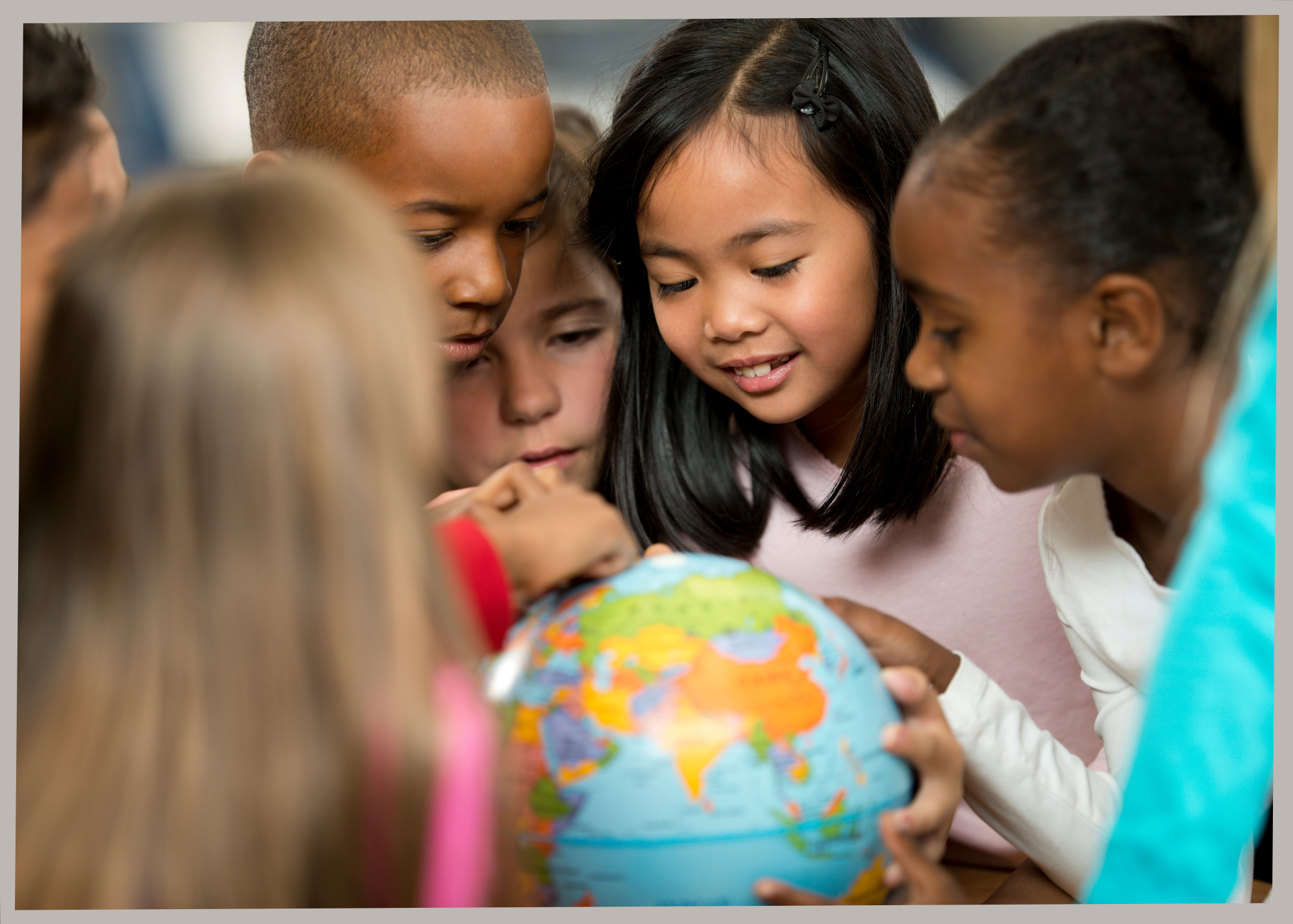
START SLOW AND KEEP IT SIMPLE
The first thing to keep in mind when teaching your students about reading and writing about the news is is to start out slowly and make the process as simple as possible.
Focus on basic facts and the five w’s – who, what, when, where and why, and one h – how. Once they get the basics down, they can start branching out with more detailed information. Start with having students read news articles and pull out the 5Ws and H. Identifying these in articles helps them read more accurately and also prepares them to write news articles themselves.
Once your students understand the basics of what news entails, give them a few practical ways to practise their writing skills. Encourage them to write about things that are happening in the classroom, such as class events or shared stories. This will help them learn more about the news writing process and give them plenty of chances to practise.
Finally, don’t forget to remind students that, even though news is not always positive, learning a new skill, reading and understanding about what’s going on around them, and writing news stories should be fun and exciting. Emphasise the power that comes with reporting the truth and sharing stories that can inform and educate.

UTILISING MULTIMEDIA TO MAKE NEWS COME ALIVE
To enhance the impact of current events in your classroom, consider incorporating multimedia elements to bring the news to life. By utilising videos, podcasts, images, and interactive online platforms, you can make the news more accessible and engaging for your students.
This multimedia approach not only caters to different learning styles but also immerses your students in the stories, making the information more relatable and memorable. By integrating multimedia into your teaching, you can create a dynamic and enriching experience that will captivate your students’ attention and inspire them to delve deeper into the world around them.
In addition, it might also help to focus on various media platforms when teaching kids news writing. Show them examples of different types of news outlets and explain the differences between them. Not only the ways in which they can get news, but the biases that may be present and how to decipher which sources are credible. From print to digital media, there’s a whole world of possibilities for kids to explore.

ENCOURAGING CRITICAL THINKING THROUGH NEWS ANALYSIS
To further deepen your students’ understanding and engagement with current events, consider encouraging critical thinking through news analysis. By guiding students to critically evaluate news sources, identify bias, and analyse the implications of different perspectives, you can empower them to become informed and discerning citizens.
This approach not only fosters a deeper understanding of complex issues but also equips students with the skills needed to navigate an increasingly information-saturated world. By incorporating critical thinking into your classroom discussions, you can spark thoughtful conversations and encourage students to think critically about the news they encounter.
It’s also vital to ensure that your students know how important it is to report on news accurately. When they have the chance to report on news and write articles, create videos, or record podcasts, this is a skill they must hone themselves. Make sure you explain the importance of accuracy in news writing. Have your students do their best to report events exactly as they occurred. This will allow them to become more reliable journalists in the future.
This sets the stage for creating interactive discussions around news topics that challenge students to think beyond the surface and engage with the world around them in a meaningful way.

CREATING INTERACTIVE DISCUSSIONS AROUND NEWS TOPICS
Incorporating critical thinking into classroom discussions not only fosters a deeper understanding of complex issues but also equips students with the skills needed to navigate an information-saturated world. By encouraging students to think critically about news sources, identify bias, and analyse different perspectives, you can spark thoughtful conversations that challenge them to engage with the world in a meaningful way.
You will almost certainly have students in your class who have differing viewpoints on different issues. It’s important to teach them how to listen to one another respectfully and respond equally as respectfully. What I really like to emphasise is listening to really hear others, not merely to respond. It can often seem that kind and respectful debate is beginning to disappear in our society, so it’s important to teach our younger generation how to do so.
This approach sets the foundation for fostering empathy and global awareness through news stories.

FOSTERING EMPATHY AND GLOBAL AWARENESS THROUGH NEWS STORIES
Encouraging students to connect with news stories on a personal level can help them develop a stronger sense of empathy and global awareness. When discussing current events, consider asking questions like “How do you think people in this situation are feeling?” or “What impact do you think this news story has on different communities around the world?” By prompting students to consider the perspectives and experiences of others, you are nurturing their ability to empathise and understand the world beyond their own immediate surroundings.
Incorporating news stories from a variety of cultures and regions can also broaden students’ perspectives and foster a greater sense of global awareness. Encourage students to explore news sources from different countries and to consider how issues are perceived and addressed in diverse cultural contexts. This exposure to a range of viewpoints can help students develop a more nuanced understanding of global issues and cultivate a sense of interconnectedness with people from around the world.
By creating a classroom environment that prioritises empathy, critical thinking, and global awareness, you are empowering students to engage with the world in a meaningful and informed way. These skills will not only benefit them academically but also equip them to become thoughtful and compassionate global citizens. Ultimately, fostering empathy and global awareness through news stories is a powerful way to shape students into individuals who are not only knowledgeable about the world but also committed to making a positive impact on it.

By following these tips, you’ll be well on your way to helping your students learn the art of reading, understanding, and responding to the news. They can also have a better ability to write their own news articles. Remember to keep things simple and emphasise the importance of accuracy for the best possible results.
Incorporating simplicity, multimedia, critical thinking, interactive discussions, and empathy into your classroom can transform the way students engage with current events. By implementing these teaching tips, you can inspire a new generation of informed and engaged citizens.
Start today and watch your students’ curiosity and interest in the world around them grow. As Nelson Mandela once said, “Education is the most powerful weapon which you can use to change the world.”
ENJOYED THIS? HERE ARE SOME OTHER BLOG POSTS ON KATIE IS A TEACHER YOU MAY LIKE:


WANT EVEN MORE? HERE ARE SOME KATIE IS A TEACHER RESOURCES YOU MAY BE INTERESTED IN:



 katieisateacher.com