

Are you struggling to manage impulse control in your students? It’s a common challenge many educators face, but fear not – there are innovative strategies that can make a real difference.
In this post, we will explore unconventional methods that go beyond traditional approaches to help students regulate their impulses and behaviours more effectively. From mindfulness practices and physical movement to art therapy and technology integration, we will provide you with a comprehensive roadmap to help your students develop stronger impulse control and improve their overall well-being.
So, get ready to dive into these creative strategies and see the positive impact they can have on your students!

THE POWER OF MINDFULNESS PRACTICES
An effective way to help students manage their impulses is by incorporating mindfulness practices into their daily routines. Mindfulness has been shown to increase self-awareness, reduce stress, and improve emotional regulation.
By teaching students how to be present in the moment and tune into their thoughts and feelings without judgement, they can develop a greater sense of control over their impulses. Encouraging mindfulness practices such as deep breathing exercises, guided meditation, or mindful colouring can help students calm their minds and make more thoughtful choices in challenging situations.
These practices can also improve focus and attention, which are essential for impulse control. By incorporating mindfulness into your classroom, you can empower your students to better manage their impulses and navigate their emotions more effectively.
I’ve seen mindfulness in the classroom done in many ways. Some teachers will have a “Mindful Monday” every (you guessed it) Monday morning to start out the week. Others will do a quick ten minutes of mindfulness every single morning to start their days. Think about ways this could work in your own classroom, taking into consideration your students’ ages and how your daily schedule looks.
Next, let’s explore how physical movement can play a key role in helping students regulate their emotions and impulses.

UTILISING PHYSICAL MOVEMENT TO REGULATE EMOTIONS
Teachers can use physical movement to help regulate students’ emotions in several effective ways. Engaging in activities like yoga, dancing, or even simple stretching exercises can help students release pent-up energy and stress, allowing them to better focus and control their impulses.
Physical movement has been shown to release endorphins, which can improve mood and overall well-being. By incorporating movement into therapy sessions, educators can provide students with a healthy outlet for their emotions and help them develop strategies for managing impulsive behaviour.
For example, brain breaks are a great activity for students. Integrate short breaks throughout lessons where students engage in physical activities like stretching, jumping jacks, or simple yoga poses. These breaks can help release tension and re-energize students, improving their focus and mood.
Calming exercises are another great way to regulate emotions. Teach students relaxation techniques such as deep breathing exercises or mindful movements (like slow, deliberate stretching). These activities can help students manage stress, anxiety, or frustration by promoting a sense of calm and control.
Another excellent way to help students regulate emotions via movement are group activities. Organise group activities that involve cooperative physical tasks or games. Working together towards a common goal through physical movement fosters a sense of camaraderie and can positively influence emotional states, promoting teamwork and social-emotional skills.
By integrating these strategies into your teaching practices, you can leverage physical movement not just for physical health, but also as a powerful tool for promoting emotional regulation and overall well-being among your students.

INCORPORATING ART AND CREATIVITY INTO THE CLASSROOM
Incorporating art and creativity into the classroom can provide students with a powerful outlet for self-expression and emotional regulation. Creative activities such as painting, drawing, or music can help students channel their emotions in a positive and constructive way.
By encouraging students to express themselves through art, teachers can help them better understand and manage their impulses. These creative outlets can also foster a sense of empowerment and control, as students learn to navigate their emotions through artistic expression. With the incorporation of art and creativity, targeted lessons can offer students new tools for managing their impulses and emotions, setting the stage for further growth and development in self-regulation skills.
Next, we’ll talk about how implementing technology for self-monitoring and feedback can provide students with additional resources to track their progress and receive support in managing their impulsive behaviours.

CREATING A SUPPORTIVE AND EMPATHETIC ENVIRONMENT
To create a supportive and empathetic environment for students struggling with impulse control, it is crucial for educators to show understanding and compassion toward their challenges. By providing a safe and non-judgmental space, students are more likely to open up about their difficulties and seek help.
Building strong relationships with students based on trust and respect can encourage them to be vulnerable and honest about their struggles with impulse control. This supportive environment can play a significant role in empowering students to take ownership of their behaviours and work towards self-improvement.
Next, encouraging self-reflection and goal setting involves helping students become more aware of their impulses and setting specific goals for managing them effectively.

ENCOURAGING SELF-REFLECTION AND GOAL SETTING
One effective strategy for helping students improve their impulse control is to encourage self-reflection and goal setting. By guiding students to reflect on their behaviour and recognize their impulses, educators can help them better understand their triggers and reactions.
This self-awareness is a key first step in managing impulsive actions. Additionally, setting specific and achievable goals for behaviour modification can give students a sense of direction and motivation. These goals can be tailored to each student’s individual needs and challenges, providing a roadmap for them to follow in their journey towards improved impulse control.
Incorporating self-reflection and goal setting into a student’s daily routine can be done through various exercises and activities. For example, journaling prompts can prompt students to reflect on their emotions and actions, allowing them to identify patterns and triggers.
Teachers can also facilitate group discussions where students share their experiences and offer support to one another in setting goals for managing impulses. By consistently practising self-reflection and goal setting, students can develop the skills and habits needed to effectively control their impulses and make positive choices.
Ultimately, encouraging self-reflection and goal setting empowers students to take control of their impulses and strive for personal growth. By fostering a supportive environment where students can openly discuss their challenges and work towards improvement, educators can help students build the self-awareness and determination necessary to overcome impulsive behaviours. Through self-reflection and goal setting, students can develop the tools they need to manage their impulses in a healthy and productive manner.
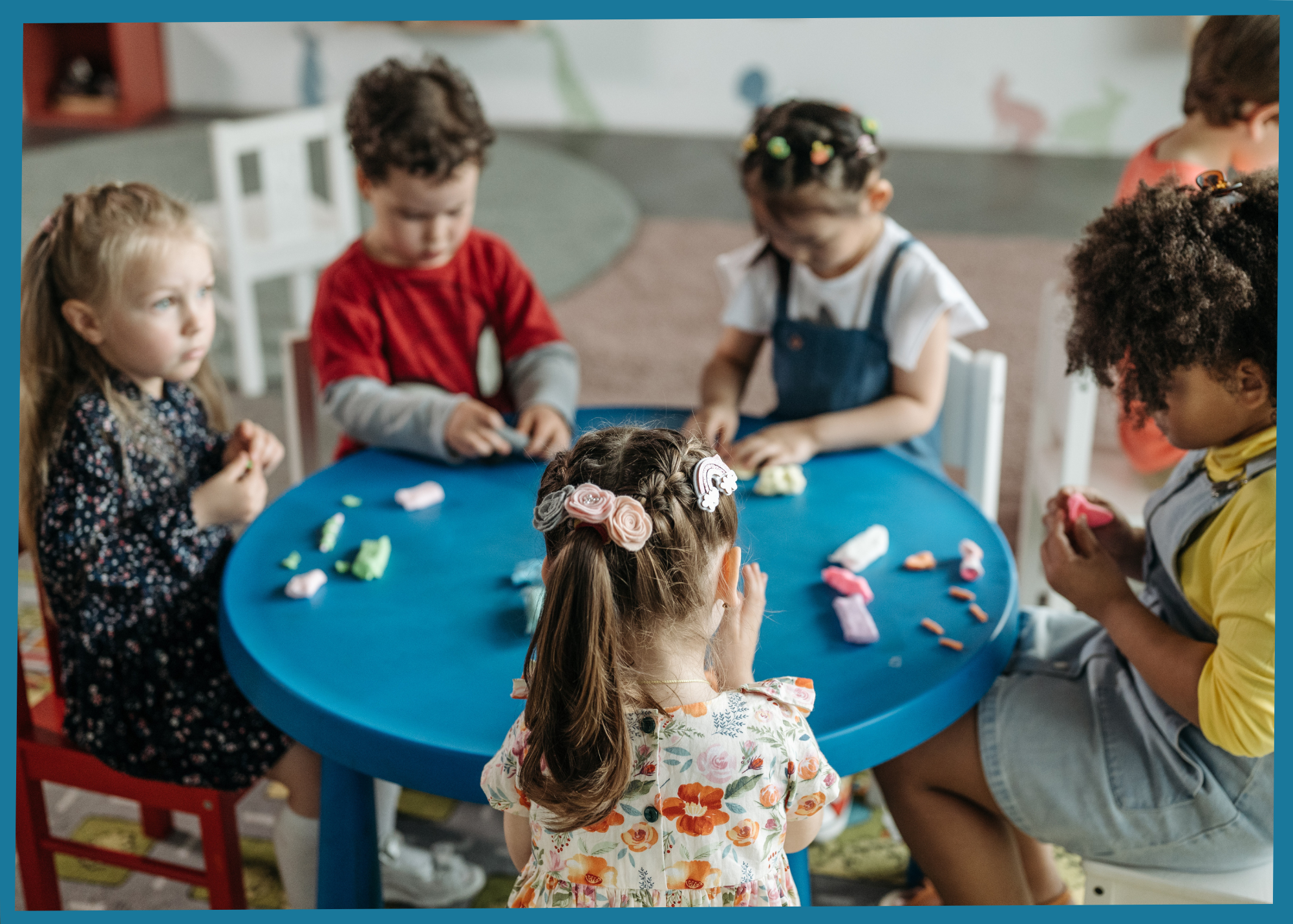
Incorporating unconventional strategies such as mindfulness practices, physical movement, art therapy, and self-reflection can significantly impact students’ impulse control and overall well-being. By experimenting with these innovative approaches and tailoring them to individual needs, educators can empower students to develop stronger self-regulation skills.
As you embark on this journey of fostering self-control in students, remember that small changes can lead to big results. So, why not start today and witness the transformation firsthand? Remember, the power to shape the future lies in your hands.
ENJOYED THIS? HERE ARE SOME OTHER BLOG POSTS ON KATIE IS A TEACHER YOU MAY LIKE:


WANT EVEN MORE? HERE ARE SOME KATIE IS A TEACHER RESOURCES YOU MAY BE INTERESTED IN:



 katieisateacher.com