
In today’s diverse and ever-changing world, it is crucial for educators to address the dark history of residential schools in order to create a more inclusive and empathetic learning environment for students. By understanding the impact of these institutions on Indigenous communities, students can gain a deeper appreciation for the struggles faced by marginalised groups in our society.
Residential schools are a dark part of Canadian history, and one of the most important topics for teachers to cover in the classroom. Teaching students about residential schools can be difficult and uncomfortable, but it is essential for understanding the history of our country and its Indigenous peoples.
In this post, we will explore the history of residential schools, provide resources and strategies for teachers, and discuss how to foster empathy and understanding in the classroom. Join in breaking the silence and taking action to incorporate this vital topic into your curriculum.
UNDERSTANDING THE HISTORY OF RESIDENTIAL SCHOOLS
One essential aspect of educating students on residential schools is understanding the history behind these institutions, shedding light on the traumatic experiences endured by Indigenous communities. To effectively incorporate this topic into your curriculum, teachers must first grasp the significance of the historical context surrounding residential schools.
When discussing residential schools, start with the basics. Before diving into the history of residential schools, it is important to give students a basic understanding of Indigenous history and culture. This could include lessons on the diversity of Canada’s First Nations, Inuit, and Métis peoples, as well as a discussion on the impacts of colonisation on their lives.
It is important to provide your students with an overview of the history and context behind residential schools and what their purpose was. Residential schools were created during the late 1800s and early 1900s as a way to assimilate Indigenous peoples into the Canadian mainstream. The schools were funded and operated by the Canadian government and churches, and separated children from their families and communities. The goal of the schools was to force students away from their families, communities, and cultures and force new beliefs, ways of knowing, and culture on them. Now, we recognise how truly despicable this practice was and the generational trauma it inflicted upon First Nations peoples, but at the time it was not seen in a negative light.
Teaching students about residential schools is an important part of educating them about the history of Canada and its Indigenous peoples. Always remember that to ensure that students have a comprehensive understanding of the impacts of residential schools, it is important to provide them with factual information that is presented in a respectful and culturally-sensitive way.

RESOURCES FOR EDUCATORS
One way teachers can begin incorporating the history of residential schools into their curriculum is by utilising a variety of resources. There are many books, documentaries, and online resources available that provide valuable insight into the experiences of Indigenous communities in residential schools.
By exploring these resources, educators can gain a deeper understanding of the impact of these institutions and how to effectively communicate this history to their students. Remember to read, watch, listen to and otherwise check the resources before bringing them into lessons. You want to ensure they are age appropriate and that you can speak to them, answering questions students may have and being able to explain residential schools and their impact.
Resources you utilise should lead to discussions about the residential school system. Explain to students that the residential school system was set up by the Canadian government to assimilate Indigenous peoples into European-Canadian culture. Discuss the forced removal of children from their families, the poor conditions of the schools, and the abuse inflicted on students.
There are many books appropriate across a variety of ages. For example, Every Child Matters and Phyllis’s Orange Shirt are picture books good for younger students. For older students, you can discuss resources such as 21 Things You May Not Know About the Indian Act or the 94 Calls to Action.
In the next section, we will discuss specific strategies for teaching about residential schools that can help educators engage their students in meaningful discussions and critical thinking about this important topic.
STRATEGIES FOR TEACHING ABOUT RESIDENTIAL SCHOOLS
To effectively educate students about the history of residential schools, educators can employ various strategies tailored to engage students in meaningful discussions and critical thinking.
One approach is to invite Indigenous Elders and Knowledge Keepers to share personal experiences and perspectives on residential schools. Firsthand accounts can bring a human element to the historical facts, allowing students to connect emotionally and empathise with the individuals affected.
Incorporating interactive activities, such as role-playing scenarios or storytelling sessions, can also help students visualise the challenges faced by Indigenous children in these institutions. Ensure that you do activities such as these in a respectful way.
Discuss the legacy of residential schools. Explain to students that the legacy of residential schools is still felt by Indigenous communities today. Talk about the intergenerational trauma experienced by survivors, as well as the current efforts to reconcile the past and build a better future.
It is important to discuss the lasting impacts of residential schools on Indigenous peoples and communities. Students should be made aware that the legacy of residential schools has had a lasting and damaging impact on Indigenous people and their communities. This includes the erosion of language and culture, the loss of parenting and intergenerational trauma, and the ongoing effects of poverty.
Of course, always ensure that you are creating a safe and respectful classroom environment where students feel comfortable asking questions and sharing their thoughts is essential in fostering open dialogue around this sensitive topic. By utilising these strategies, educators can encourage students to develop empathy and understanding towards the experiences of Indigenous communities in residential schools.
CREATING EMPATHY AND UNDERSTANDING IN THE CLASSROOM
One effective way to educate students about residential schools is by creating empathy and understanding in the classroom. As discussed above, by inviting Indigenous guest speakers to share their personal stories, students can connect emotionally with the individuals affected by these institutions. This human element helps students see beyond the historical facts and truly grasp the impact of residential schools.
It is crucial to establish a safe and respectful classroom environment where students feel comfortable discussing this sensitive topic and asking questions. By fostering open dialogue and encouraging empathy, educators can help students develop a deeper understanding of the history of residential schools and its effects on Indigenous communities.
When teaching students about residential schools, it is important to emphasise that this is not just a part of Canada’s past, but that it is still relevant today. Students should be aware of the ongoing effects of residential schools, such as the overrepresentation of Indigenous people in the child welfare and criminal justice systems, and the lack of access to resources and services in Indigenous communities.
Finally, it is important to emphasise the importance of truth and reconciliation. Students should be made aware that truth and reconciliation is an ongoing process that requires all Canadians to take responsibility for the past and to work together to build a better future.
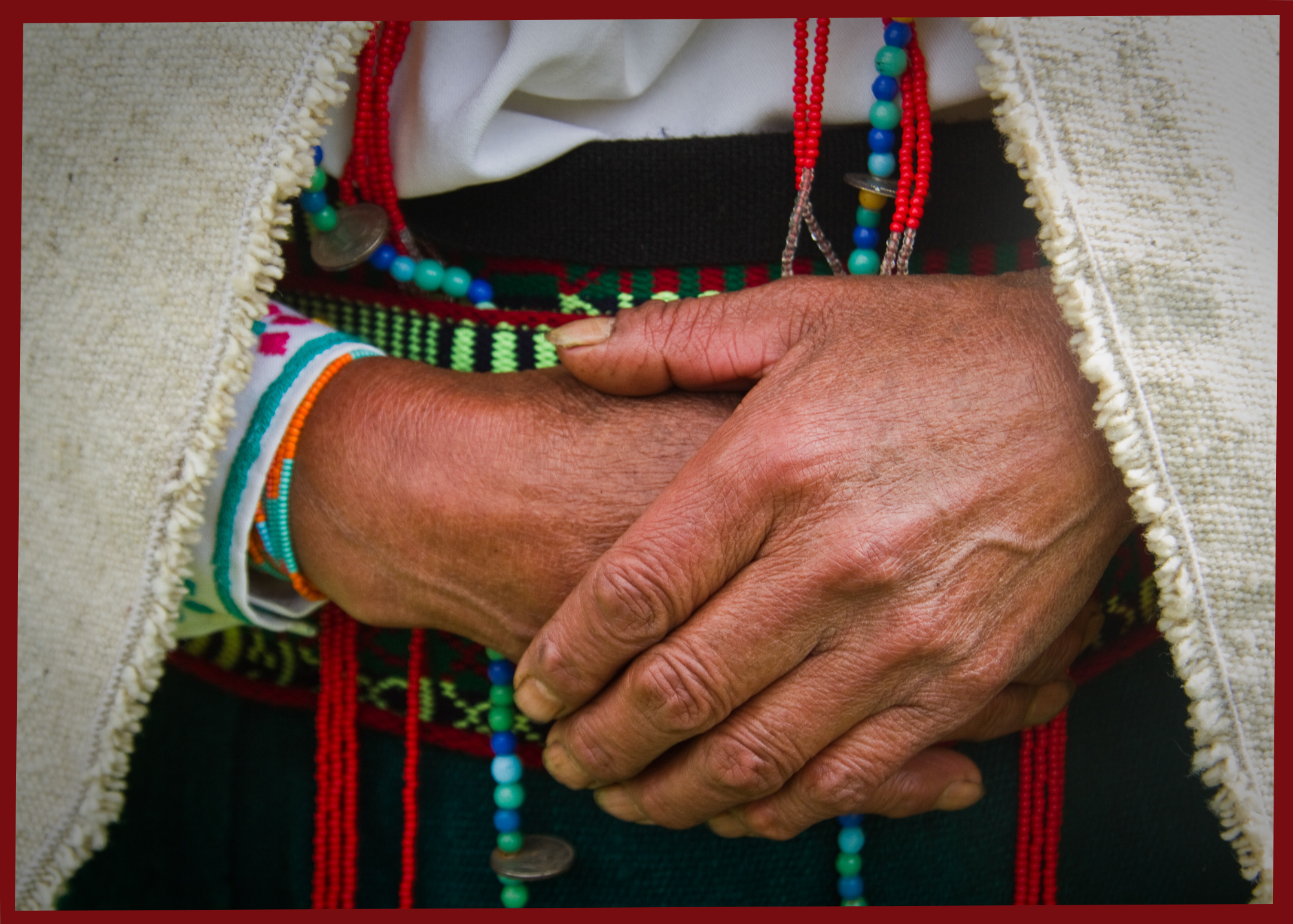
In conclusion, teaching students about residential schools is an important part of educating them about the history of Canada and its Indigenous peoples. When teaching about residential schools, it is important to provide an overview of the history and context behind them, discuss the lasting impacts of residential schools on Indigenous peoples and communities, and emphasise the importance of truth and reconciliation.
Incorporating the history of residential schools into the curriculum is a crucial step towards creating a more inclusive and empathetic learning environment for students. By understanding the history of these institutions, utilising available resources, implementing effective teaching strategies, and fostering empathy in the classroom, educators can make a positive impact on the next generation.
Let us take action now and ensure that this important topic is included in our curriculum, so that we can continue to break the silence and educate students on the legacy of residential schools.
As we strive for a more empathetic and inclusive society, let us remember the words of writer and activist Desmond Tutu: “If you are neutral in situations of injustice, you have chosen the side of the oppressor.”
ENJOYED THIS? HERE ARE SOME OTHER BLOG POSTS ON KATIE IS A TEACHER YOU MAY LIKE:

WANT EVEN MORE? HERE ARE SOME KATIE IS A TEACHER RESOURCES YOU MAY BE INTERESTED IN:



 katieisateacher.com