We all went into teaching for one of a few different reasons. Maybe we love kids, maybe we love our passion and want to teach it to others, maybe we love school and never want to leave. No matter the reason, we all want to build genuine relationships with our students and have them grow and learn while they are in our class.
We all want to imagine a classroom in which our students are not just numbers on a roster or faces in a crowd, but individuals with unique stories, interests, and perspectives. In this classroom, academic performance soars, engagement reaches new heights, and a warm, supportive environment takes root.
On our most stressed-out days, it could sound too good to be true, but by embracing unconventional approaches to cultivating student relationships, teachers can work toward making this dream a reality. From harnessing technology as a bonding tool to incorporating personal interests, this post discusses some of my top tips for fostering strong and lasting connections with students.
Join in exploring a world of innovative strategies that can lead to improved academic performance, higher engagement, and a strong and empassioned classroom community like no other. Prepare to be inspired, enlightened, and equipped with the tools you need to transform your classroom into a hub of collaboration, communication, and connection.
GET TO KNOW AND UNDERSTAND YOUR STUDENTS
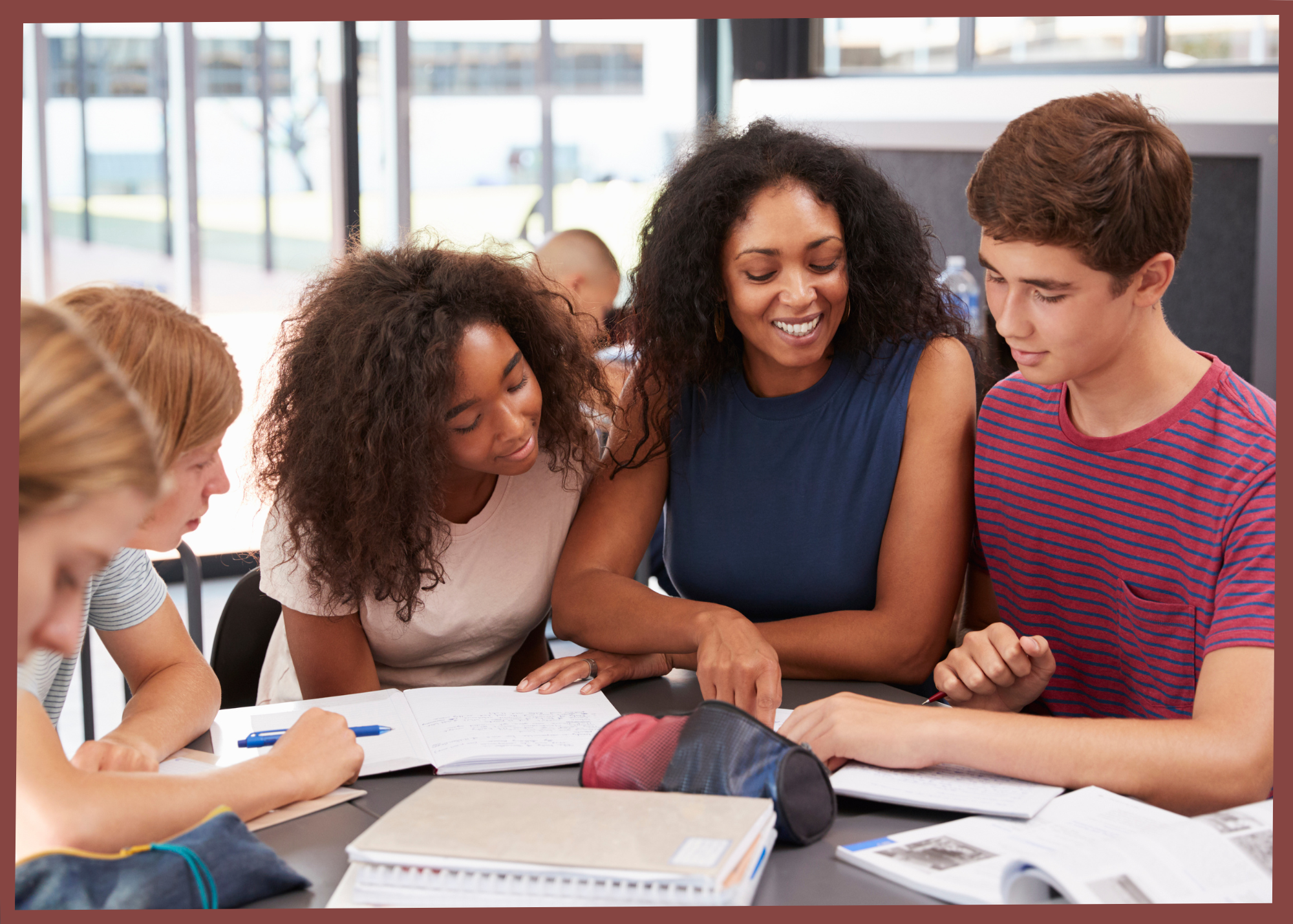
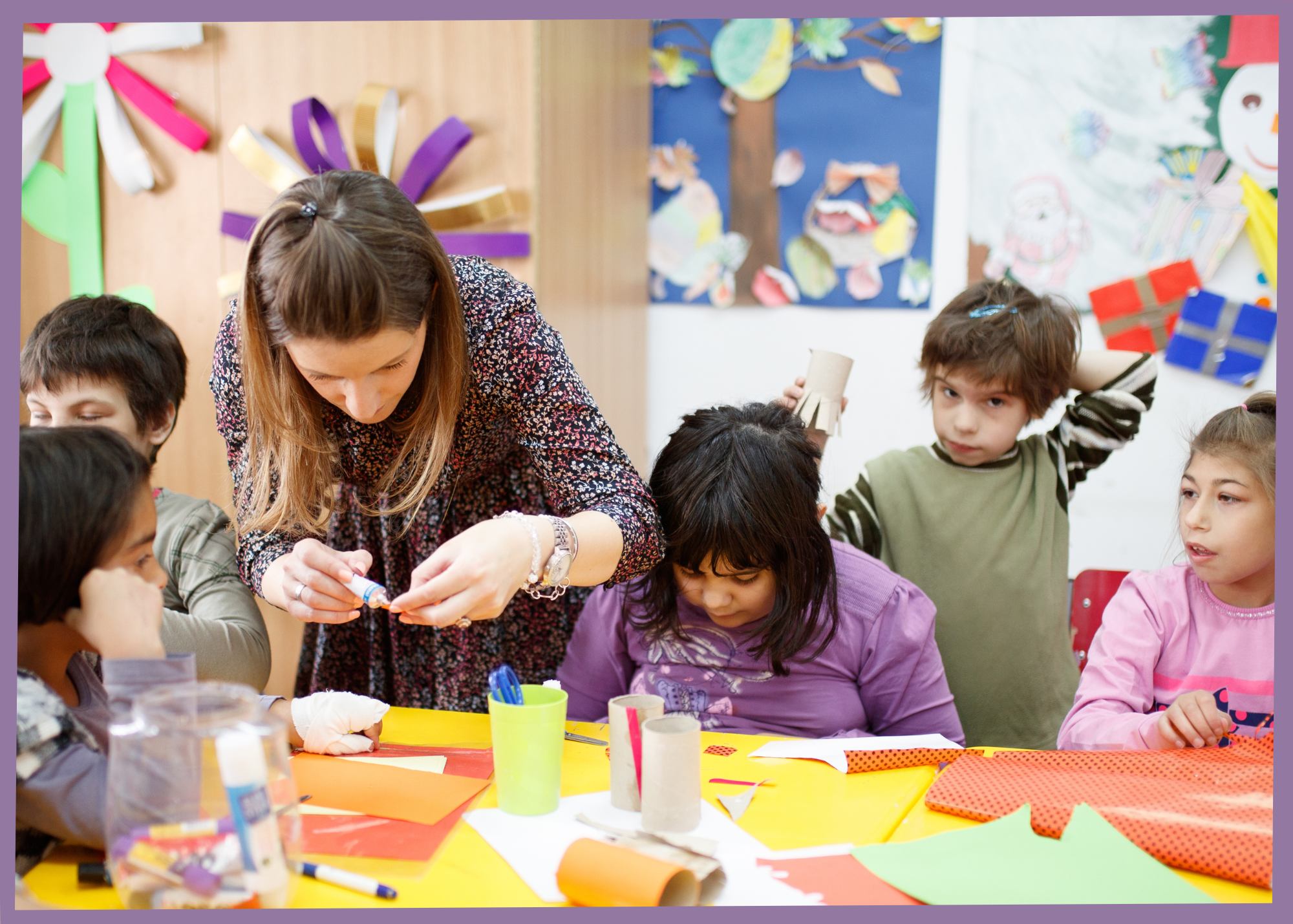
To work toward cultivating strong and lasting connections with students, it is essential for teachers to get to know and understand students on a personal level. By taking the time to learn about their interests, backgrounds, strengths, and aspirations, you can create a classroom environment that is not only inclusive but also tailored to your students’ individual needs.
One way to achieve this is by incorporating personal interests into your lessons or assignments when you’re able to. By designing tasks and projects that allow your students to explore topics they might be passionate about, your can tap into their intrinsic motivations and foster a sense of ownership over their learning.
You could try this by incorporating art into a science lesson, encouraging students to write creatively about history, or giving students a choice board in a final assignment. This approach can not only make the material more engaging, it can also help students feel seen and valued for what they are good at or enjoy.
Dedicating time to have one-on-one conversations with students can also go a long way in building relationships with students. By actively listening and genuinely hearing what each student has to say, teachers can begin to learn more about their preferences, struggles, and the goals they ahve for themselves. Having this knowledge can allow for you to provide personalized support and offer meaningful guidance for each student.
By getting to know and understand your students, you not only create a more inclusive and supportive classroom environment, you also pave the way for academic success. When students feel genuinely seen, valued, and understood, they are more likely to take risks, participate actively, and work more diligently at school.
INCORPORATE PERSONAL INTERESTS
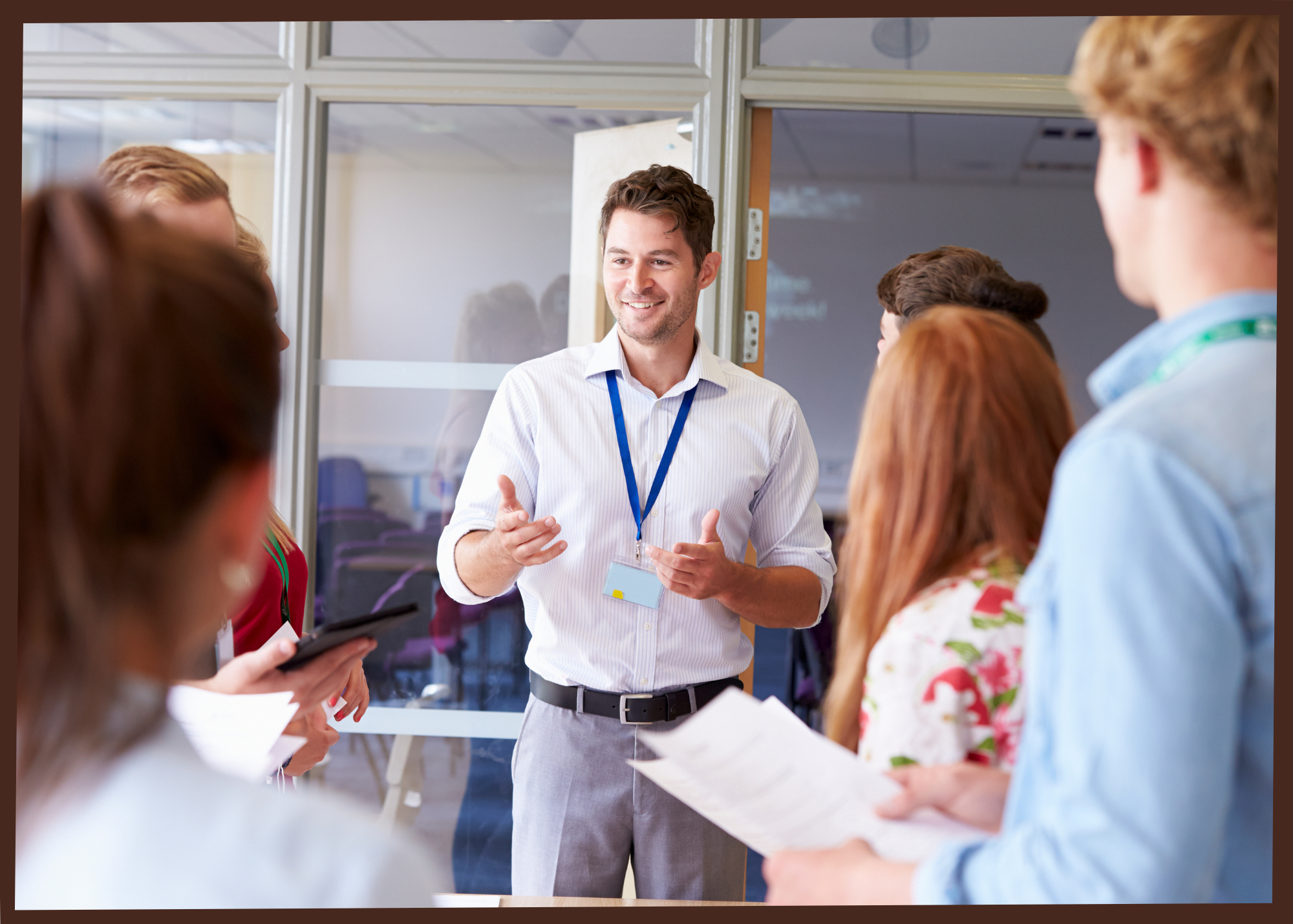
Incorporating personal interests into school can be a very helpful way to build stronger relationships with students and foster a sense of connection in the classroom. When teachers take the time to understand and incorporate their students’ interests, hobbies, and unique talents, it not only shows that they care, but also creates an environment where students feel seen, valued, and understood.
One way to incorporate personal interests is by allowing students to choose topics or projects that align with their passions. I mentioned choice boards above, and these are a good way to hit curricular outcomes and give students autonomy. By giving students the opportunity to explore subjects they are genuinely interested in, you can tap into their intrinsic motivation and enthusiasm for learning.
Allowing for autonomy can be done through things such as cross-curricular lessons and tasks, or project-based assignments. Try to give your students the freedom to choose a topic and present their findings in a way that reflect their personal interests, whether it be through a presentation, a creative project, or even a blog.
You can also try to integrate students’ personal interests into the curriculum by finding connections between the subjects being taught and real-world contexts that students may be passionate about. For example, if a student is interested in music, a math teacher could incorporate music-related examples and problem-solving activities into their lessons. This not only makes the material more relatable and engaging, it also shows students that their interests are valued and relevant to their education.
Attempt to also create opportunities for students to share their personal interests and talents with classmates. This could be done through things such as student-led presentations, where they have the opportunity to showcase their hobbies or talents. They could also teach their peers something they are passionate and have a lot of knowledge about. By creating a space for students to share their interests, teachers can foster a supportive and inclusive classroom community where everyone’s interests are celebrated and respected.
Incorporating personal interests into schooling not only strengthens the student-teacher bond, it also enhances the overall learning experience. By tapping into students’ passions and tailoring lessons and assignments to their individual interests, teachers can create a classroom environment that is engaging, inclusive, and relevant.
UTILISE TECHNOLOGY AS A BONDING TOOL
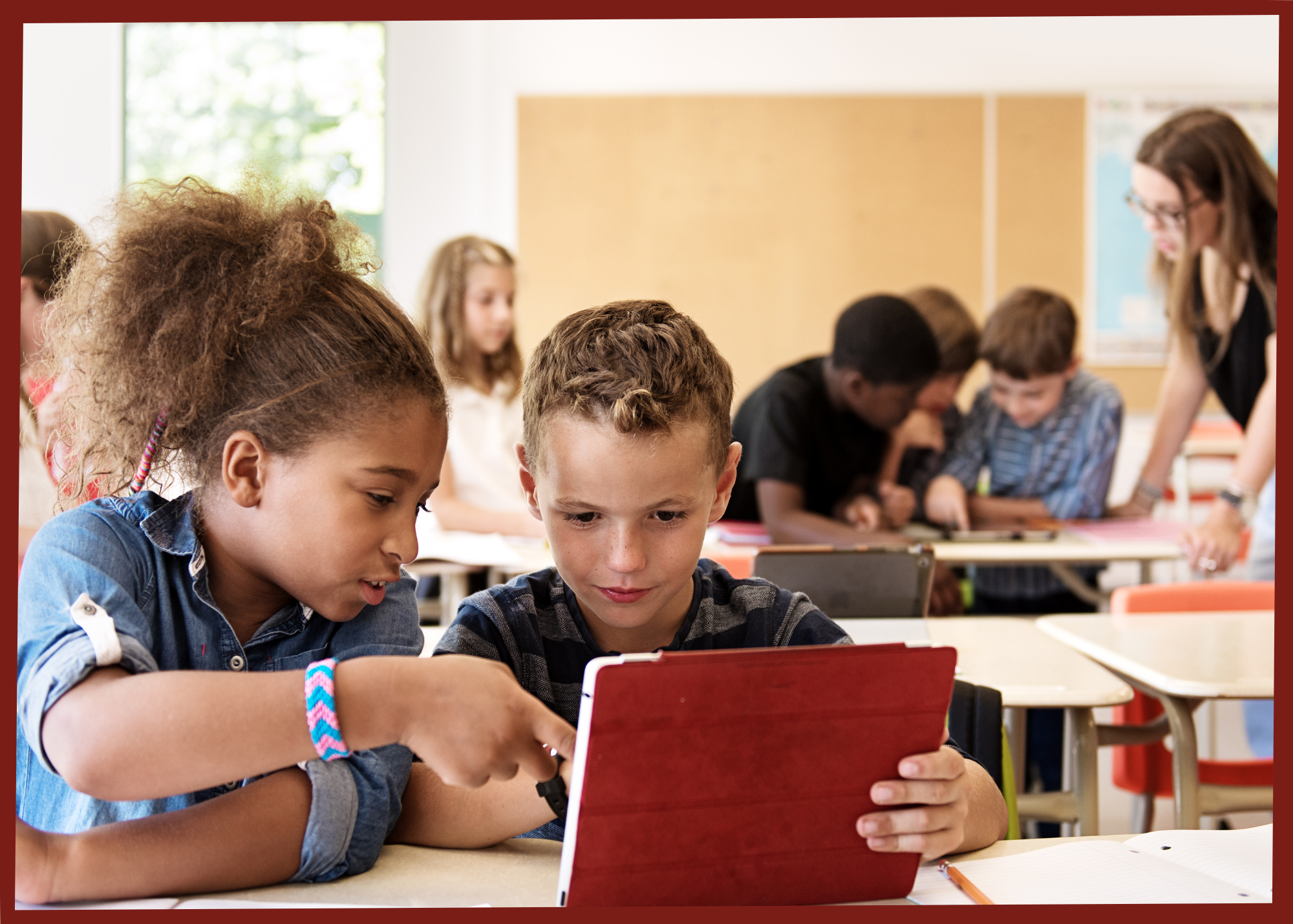
In today’s digital age, technology plays an increasingly integral role in students’ lives. From smartphones to social media, our students are constantly connected. Recognising this, I recommend harnessing the power of technology and using it as a bonding tool to strengthen relationships with students. By embracing technology, teachers can create new avenues for communication, collaboration, and personal expression.
One way to utilize technology as a way to build relationships with students is through online discussion platforms. This can provide a space for students to engage in ongoing conversations based on curriculum. By encouraging students to share their thoughts, ask questions, and respond to their peers’ ideas, you can help build a sense of community and foster meaningful connections among students.
Creating this safe space helps students build relationships among themselves and also trust and value you as their teacher. These virtual interactions not only facilitate deeper understanding of the subject matter but also allow students to get to know one another on a more personal level.
Incorporating technology in the form of video calls or webinars can bring students and teachers closer together, even when physical distance may be a barrier. Virtual class meetings or one-on-one video conferences can provide opportunities for students to have discussions, seek clarifications, or receive personalised feedback. Such face-to-face interactions, albeit through a screen, can help build trust and understanding between educators and students, ultimately strengthening their bond. This can be a good option for teachers who teach online or at distance schools.
Furthermore, technology can also be used as a way to showcase and celebrate your students’ talents and achievements. Blogs, vlogs, or online portfolio platforms can serve as digital spaces where students can express themselves, document their progress, and receive feedback from peers and/or teachers. By providing a platform for students to share their work and receive recognition, you can foster a sense of pride and accomplishment. This acknowledgment and appreciation for their efforts can help to forge deeper connections.
Clearly, technology has the potential to build stronger relationships by amplifying the connections built through personal interests. By embracing digital tools and platforms, teachers can create opportunities for meaningful interactions, foster a sense of community, and celebrate students’ individuality.
IMPLEMENT COLLABORATIVE LEARNING ACTIVITIES
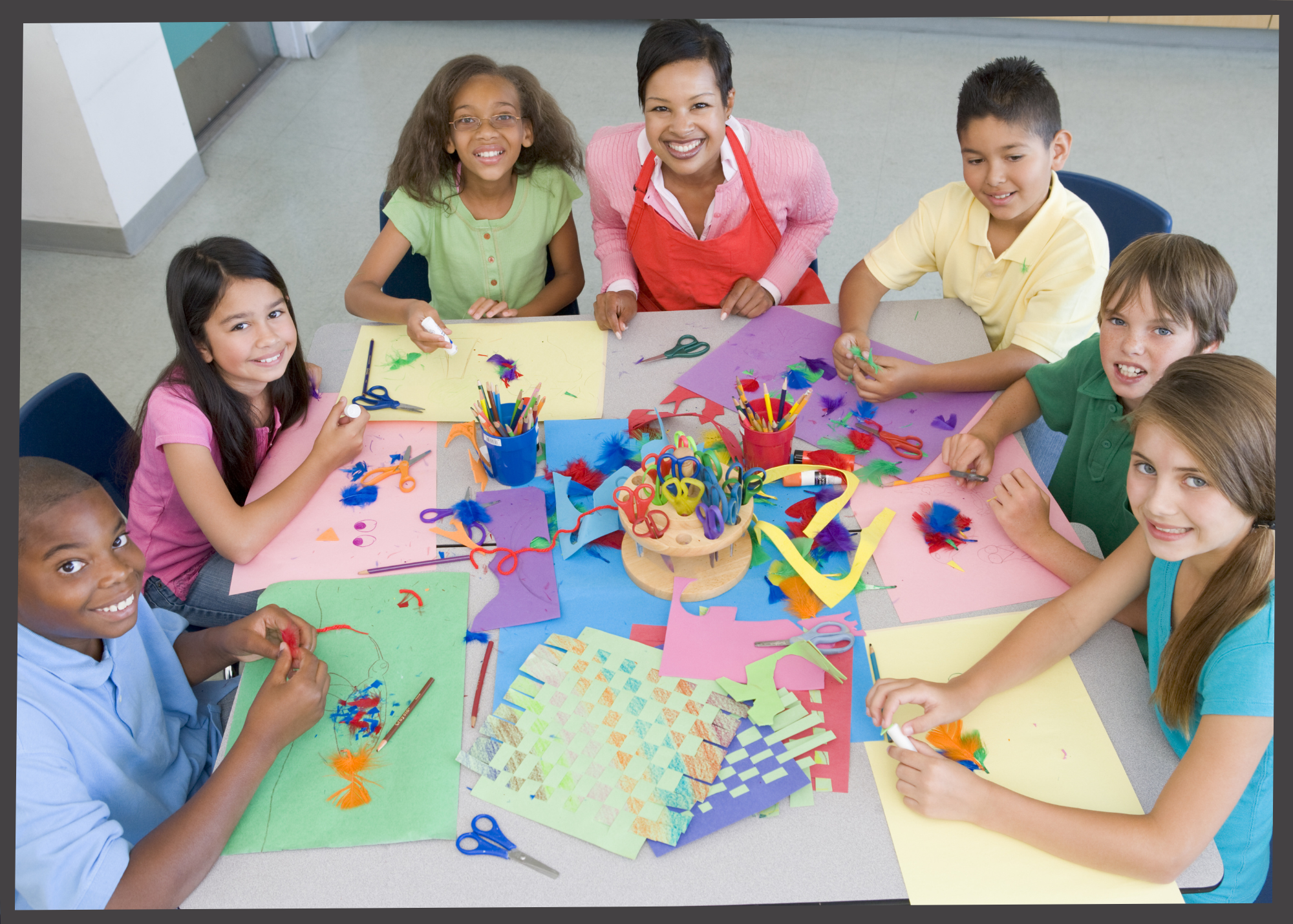
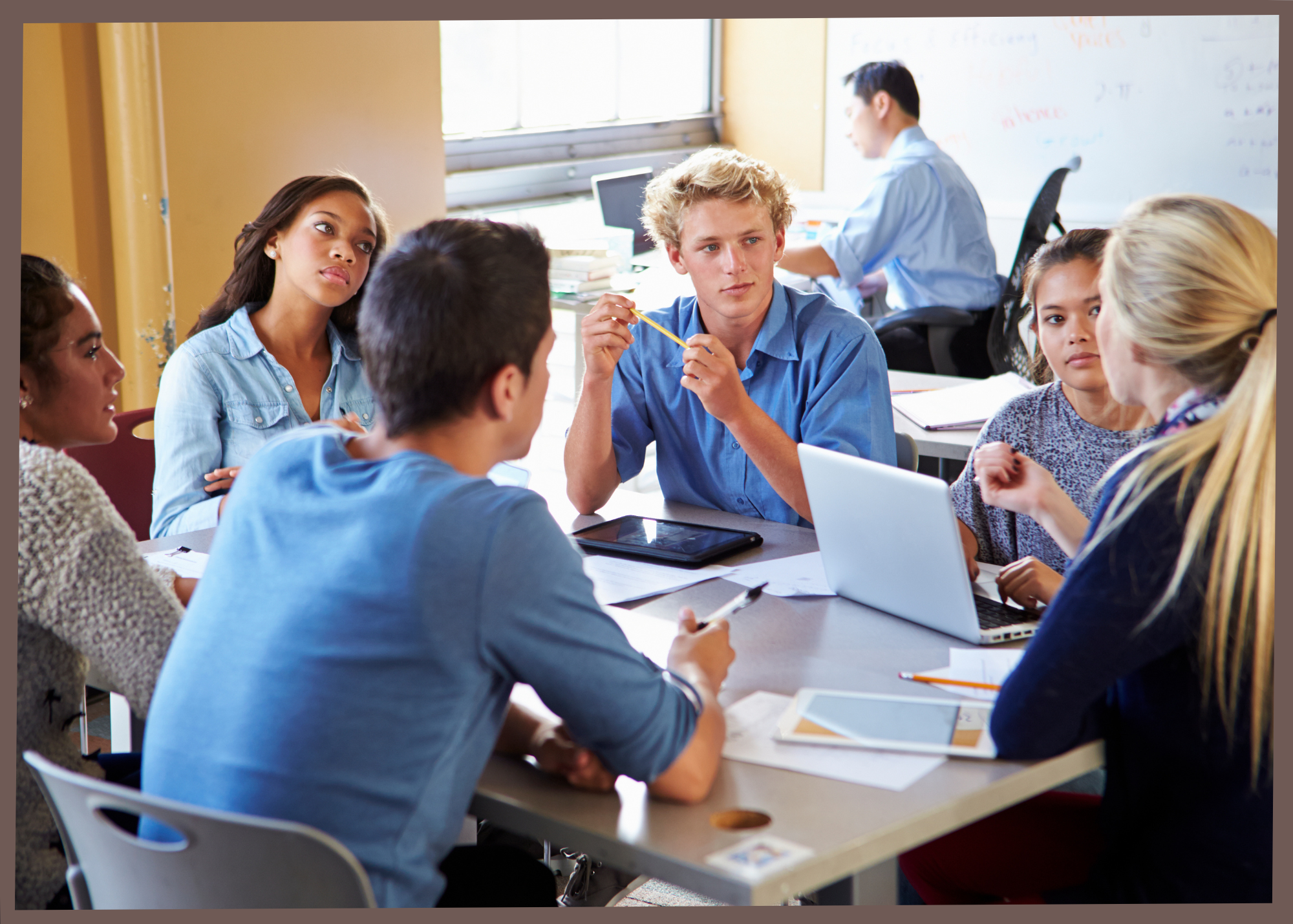
Collaborative learning activities involve students working together in small groups or teams to achieve a common goal. These activities can take various forms, ranging from group projects, discussions, or problem-solving tasks and simulations. By actively participating in these activities, students not only learn from each other but also develop essential skills such as communication, critical thinking, and teamwork.
Through collaboration, students are encouraged to share ideas, perspectives, and insights, contributing to a rich and diverse learning environment. By engaging with their peers in a meaningful way, students not only deepen their understanding of the subject matter but also form connections with one another. These connections foster a sense of camaraderie and support, creating a community where students feel valued and included.
Moreover, collaborative learning activities provide opportunities for students to build trust and empathy with their peers as well as with teachers. By working together toward a common goal, students learn to listen to different viewpoints, negotiate, and compromise.
Implementing collaborative learning activities allows teachers to build a classroom culture of support and trust. When students feel safe in their classroom, they have a much easier time building relationships. Teachers can facilitate classroom collaboration and interaction by providing clear guidelines, fostering a supportive environment, and encouraging active participation from all students.
In summary, collaborative learning activities not only enhance academic learning but also contribute to the cultivation of strong student relationships within the classroom. Through working together towards a common goal, students develop essential skills, deepen their understanding of the subject matter, and form connections with their peers and teachers.
CREATE MEANINGFUL RITUALS
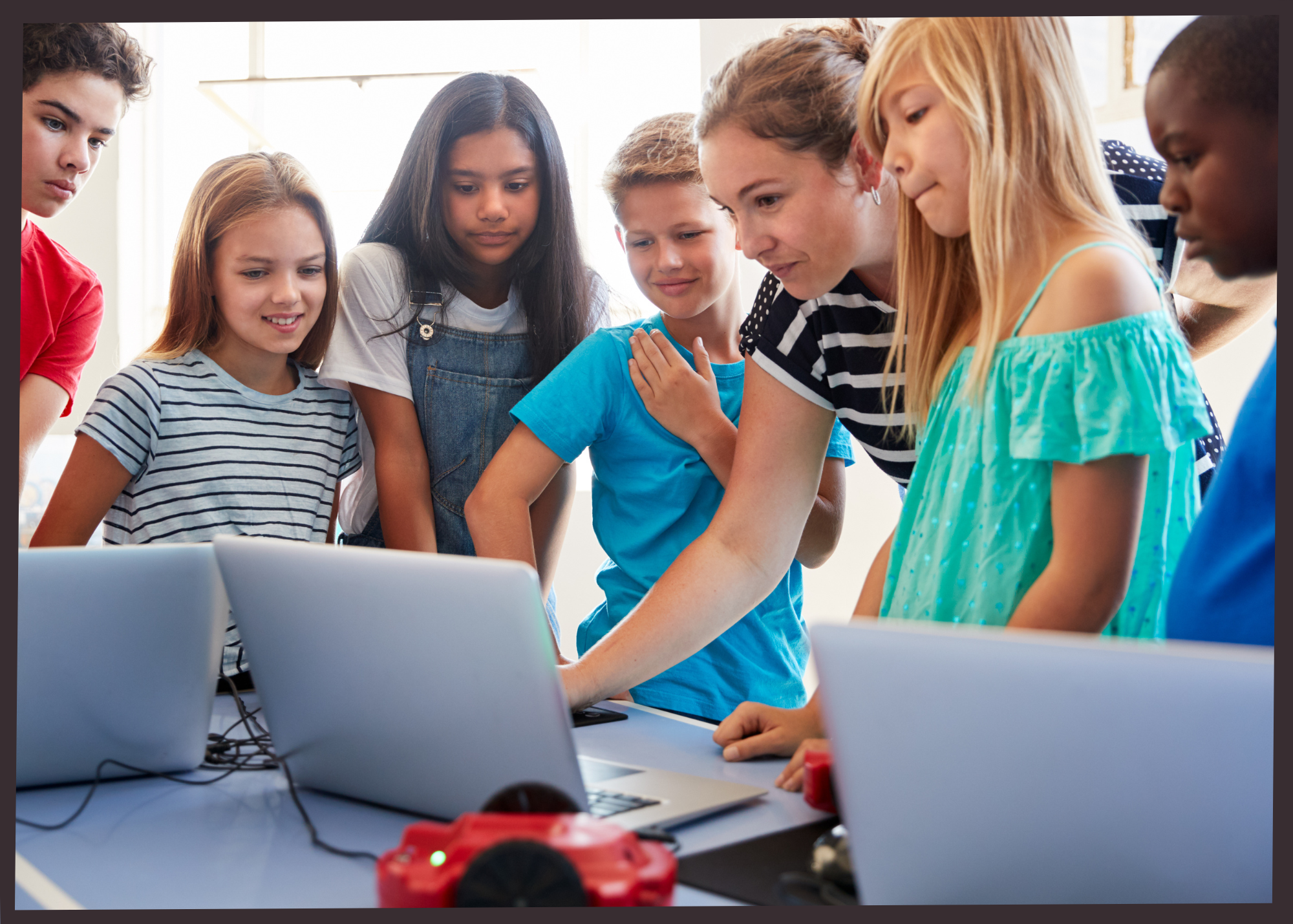
Building strong student relationships goes beyond academic collaboration. Creating meaningful rituals can further enrich the schooling and foster a sense of belonging within the classroom. By establishing regular and purposeful routines, teachers can help students feel connected to the classroom and invested in their learning journey.
One way to create meaningful rituals is through regular check-ins or reflections at the beginning or end of each class. For example, having students choose between a high-five, hug, wave, or so on when they first enter the classroom.
This dedicated time allows students to share their thoughts, feelings, and experiences with their teacher and/or one another, fostering empathy and understanding. By encouraging open and honest communication, you can create a safe space for students to express themselves and build deeper connections.
Another ritual that can contribute to student relationships is celebrating small victories and accomplishments. Whether it’s recognising individual achievements or collective progress, taking the time to acknowledge and celebrate milestones can create a positive and supportive atmosphere. This ritual not only boosts confidence and motivation but also reinforces a sense of community and camaraderie among students.
In addition to regular check-ins and celebrations, incorporating traditions and rituals into the classroom can provide a sense of community. For example, having a “question of the day” or a “joke of the day” where students take turns sharing their thoughts can create a sense of shared experience. It also encourages active participation among all students, even those who may be more shy or quieter.
By implementing meaningful rituals, teachers can establish a solid foundation of trust and connection, which allows for more effective and meaningful communication within the classroom community.
FOSTER OPEN COMMUNICATION
Open communication is essential for cultivating strong relationships between students and teachers. It creates an environment where students feel comfortable expressing their thoughts, ideas, and concerns. When students have the opportunity to openly communicate with their peers and teachers, they are more likely to feel heard and valued, which in turn enhances their trust, engagement, and overall educational experience.
In my opinion, the most important way to foster open communication in the classroom is by creating a safe and judgment-free space. Students need to feel that their opinions and perspectives are respected and valued. They need to know this regardless of whether they align with the majority or differ from the norm, and students need to learn explicitly how to react and respond to one another respectfully, even if they disagree. Encouraging students to share their thoughts and actively listening to their contributions helps create a culture of openness, where all voices are valued.
Another approach is to provide various avenues for student expression. Not all students may feel comfortable speaking up in a large group setting, so offering alternative methods of communication can be beneficial. Platforms such as online discussion forums, anonymous suggestion boxes, or even one-on-one conversations can provide students with different channels for expressing themselves. By accommodating different communication preferences, educators can ensure that every student has the opportunity to participate and contribute to the classroom dialogue.
Additionally, active listening is fundamental in fostering open communication. Ensure that you are always giving students your undivided attention, paraphrasing their ideas to demonstrate understanding, and asking follow-up questions to delve deeper into their thoughts. By actively listening, not only do teachers show students that their input is valued, they also valuable insights into their perspectives, providing the ability to better address their individual needs and concerns.
Ultimately, fostering open communication within the classroom is a continuous effort. It requires ongoing reinforcement of the principles of respect, active listening, and inclusion. By prioritizing open communication, teacheres can create an environment where student relationships thrive, collaboration flourishes, and learning becomes a truly interactive and enriching experience for all.
In today’s ever-evolving educational landscape, we are often searching for new and innovative ways to connect with our students. This post has explored the power of unconventional approaches in cultivating student relationships, offering unique strategies that can transform the classroom experience for both teachers and learners alike.
By taking the time to truly know and understand our students, incorporating their personal interests, utilising technology as a bonding tool, implementing collaborative learning activities, creating meaningful rituals, and fostering open communication, we can forge deep and meaningful connections that extend far beyond the boundaries of the classroom.
These techniques not only promote a positive learning experience, they also nurture a supportive classroom community, leading to improved academic performance and heightened student well-being. The transformative impact of these strategies cannot be underestimated.
So, try to implement these strategies and embrace their potential to create a lasting impact. Remember, the relationships we cultivate with our students are the heart and soul of education.
ENJOYED THIS? HERE ARE SOME OTHER BLOG POSTS ON KATIE IS A TEACHER YOU MAY LIKE:

WANT EVEN MORE? HERE ARE SOME KATIE IS A TEACHER RESOURCES YOU MAY BE INTERESTED IN:


 katieisateacher.com