
As we know as teachers, parents are a vital part of student success in the classroom. They are students’ primary educators and it’s critical that we have a strong relationship with them to best support students.
Parent-teacher relationships are important for providing students with a conducive academic environment and ensuring school and home are on the same page. Parents and teachers need to collaborate as best as possible in order to help students reach their highest potential.
As teachers, it’s not only important to encourage students and maintain positive relationships with them, but also with their parents. Here are some of my top tips for how we can build positive relationships with our students’ parents.

MAKE CONTACT FIRST
As a rule, I believe that teachers should make the first move when starting a dialogue with parents. It is important for teachers to make contact with parents first when trying to build a relationship with students’ parents because it allows the teacher to establish a strong connection between home and school.
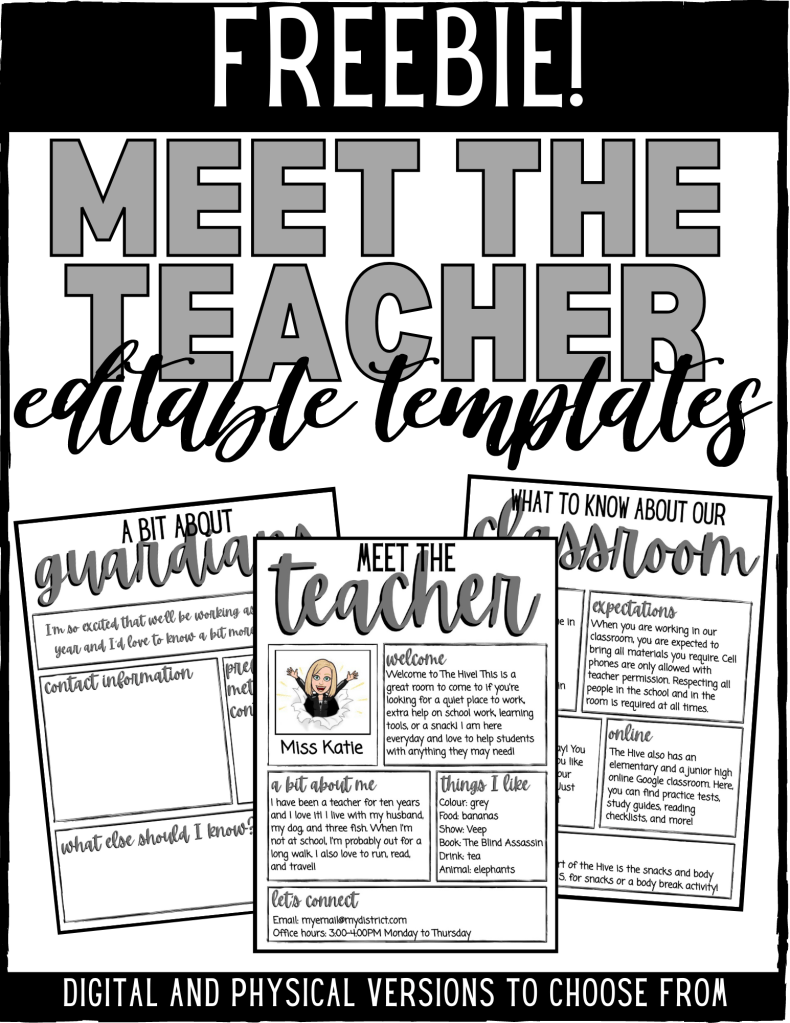
When you make contact with parents first, you’re able to start the relationship off on a positive note by introducing yourself and and expressing your commitment to helping the student succeed. How you do this us up to you, though I like to send home a “meet the teacher” sheet at the start of the year, then follow up with phone calls in the first week of school .
You may want to try email, phone, or during an introductory meeting (often set up by schools as a meet the teacher day, BBQ, or so on). Making the initial contact will help set the stage for open communication between parents and teacher.
Making contact with parents also allows for you to inform them about important information about the classroom, any changes in school policies, or possible expectations that may impact their child’s learning or behaviour thoughout the year. This is a good way to build trust and model open communication right off the bat.
In addition, initial contact with parents can provide an opportunity for you to learn more about any family dynamics (such as any medical or social issues) that could impact the student. It’s important to start building a rapport with parents and give them the chance to ask questions and get to know the family better before any potential issues arise.
Establishing a genuine and trusting connection between home and school is essential for a successful student-teacher relationship, and making contact with parents first is an important step in the process.

ACTIVELY LISTEN
It is essential that teachers understand parents’ perspective and take their suggestions and feedback seriously. Parents are, first and foremost, students’ primary educators and they know their children best. Thus, it is vital that teachers genuinely listen to parents when trying to build a relationship. It not only shows that the you are interested, it helps your understanding of the student from the parent’s perspective.
Listening to what parents have to say will help to better understand the student’s home life, their values and beliefs, and what works best at home and could translate into how best to support in the classroom. Allowing parents to communicate their feelings without judgement or criticism will also ensure that they feel comfortable speaking with you about their child’s progress throughout the year.
By actively listening to parents, teachers can also gain insight into the child’s culture, background, and interests, which will help them create a more meaningful connection with their student. Finally, by understanding parent’s viewpoints, teachers can better communicate with parents and foster a strong working relationship throughout the school year.
BE PATIENT
It is vital to be patient with parents when trying to build a relationship, as it can take time for parents to fully trust a teacher and to feel comfortable communicating with them. Many parents may not understand the complexities of the educational system, so patience is key.
Building a strong working relationship with parents requires respect, understanding, and patience. Allowing parents to take their time to process information and ask questions is beneficial for both teachers and parents and will help nurture your relationship.
Teachers must be willing to listen to parents’ concerns and address them in a straightforward, honest, and respectful way. Do your best to stay positive whenever possible, but also be honest if there are issues that need to be addressed.
It is also important for teachers to understand that some parents can be highly protective of their children. This could be for a multitude of reasons, such as trauma, past experiences, cultural norms, and so on. Due to this, it may take them longer to warm up to a teacher than it may take a student. Patience is essential in order to build a strong relationship with parents that will benefit the student.

SHOW APPRECIATION
Just as we like to be appreciated as teachers, parents want to be appreciated as well. Everyone wants to know they are doing a good job and that they are seen and valued for what they do.
Showing appreciation for parents when trying to build a relationship is vital as it demonstrates a mutual respect and trust between the teacher and the parent. It’s important for teachers to show parents and students that their input and effort is appreciated.
Demonstrating that you value parents can help foster an environment of open communication and collaboration, which can aid in creating and even more positive and supportive school environment for the student. It can also lead to better a sense of mutual respect and trust, which will lead to better communication and overall understanding of the student’s needs.
Sending thank you cards, acknowledging parents contributions to their child’s education, and celebrating their successes are simple yet meaningful gestures that can go a long way in strengthening parent-teacher relationships. This can also help to encourage parents to be even more involved in their child’s education, which is excellent for the student’s growth during their academic career.
Overall, by showing appreciation, teachers can help to build strong relationships with parents, which can ultimately benefit the student and the school as a whole.
ALWAYS KEEP PARENTS INFORMED
It is vital for teachers to keep parents informed when building a relationship. It helps to ensure the parents feel like an active part of their child’s education and reinforces the parents’ role as primary educators.
When parents are consistently informed, they are more likely to be involved and supportive of their child’s development and take a more active role in their education. Make sure that you are updating parents on their child’s progress in class and ways they could make even more improvements. This could include providing weekly emails, phoning every few weeks, or creating progress reports with an update on the student’s accomplishments or areas of improvement.
Informing parents about their child’s progress and any areas of concern helps to create a stronger sense of trust between the teacher and the parents. This trust is key to creating a strong relationship between the teacher and parents which is essential for the academic success of the student.
By following these tips, teachers can effectively build positive relationships with parents and foster an environment of collaboration, support, and understanding. This will allow parents and teachers to work together to ensure students get the best possible education.
What do you think? Do you do any of these strategies? Are there any that you love and that I’ve missed? Let me know!
ENJOYED THIS? HERE ARE SOME OTHER BLOG POSTS ON KATIE IS A TEACHER YOU MAY LIKE:
WANT EVEN MORE? HERE ARE SOME KATIE IS A TEACHER RESOURCES YOU MAY BE INTERESTED IN:

 katieisateacher.com