

Gifted students often face unique challenges in the classroom. Unfortunately, it can be easy for them to “slip through the cracks” as they do not tend to struggle academically as some of their peers may. Of course, this is a generalisation in itself; I’ve had students who are gifted in math and have a learning disability in writing. Each student is unique and needs to be approached differently.
Teaching gifted sudents effectively can require a different approach than that you would use for “typical” students. Here are some of my favourite tips for teaching gifted students.

DEVELOP AN INDIVIDUALISED LEARNING PLAN
Gifted students have unique needs, so it’s important to create learning plans specific to their individual strengths, challenges, and interests. In meeting the needs of your student, it is vital to develop an individualised learning plan as it allows for you to tailor your instruction, assignments, and assessment to meet the diverse needs of each student.
Gifted students often have advanced intellectual abilities. Therefore, they may require different teaching methods or assignments than their peers. An individualised learning plan allows for you to provide instruction that is tailored to the student’s individual abilities, interests, and learning style.
Having an individual plan helps to make sure that your gifted students (as well as anyone else on a learning plan) is receiving an education that best meets their individual needs. It ensures that the student is not working with material or completing tasks that are too difficult or too easy for them.
Additionally, such a plan can help to motivate the student and allows them to take ownership of their learning. Some goals could include allowing the student to work on more advanced material, take on independent research projects, or even explore topics outside of the traditional curriculum. It depends on the specific student and what will be most beneficial for them.

ENCOURAGE COLLABORATION
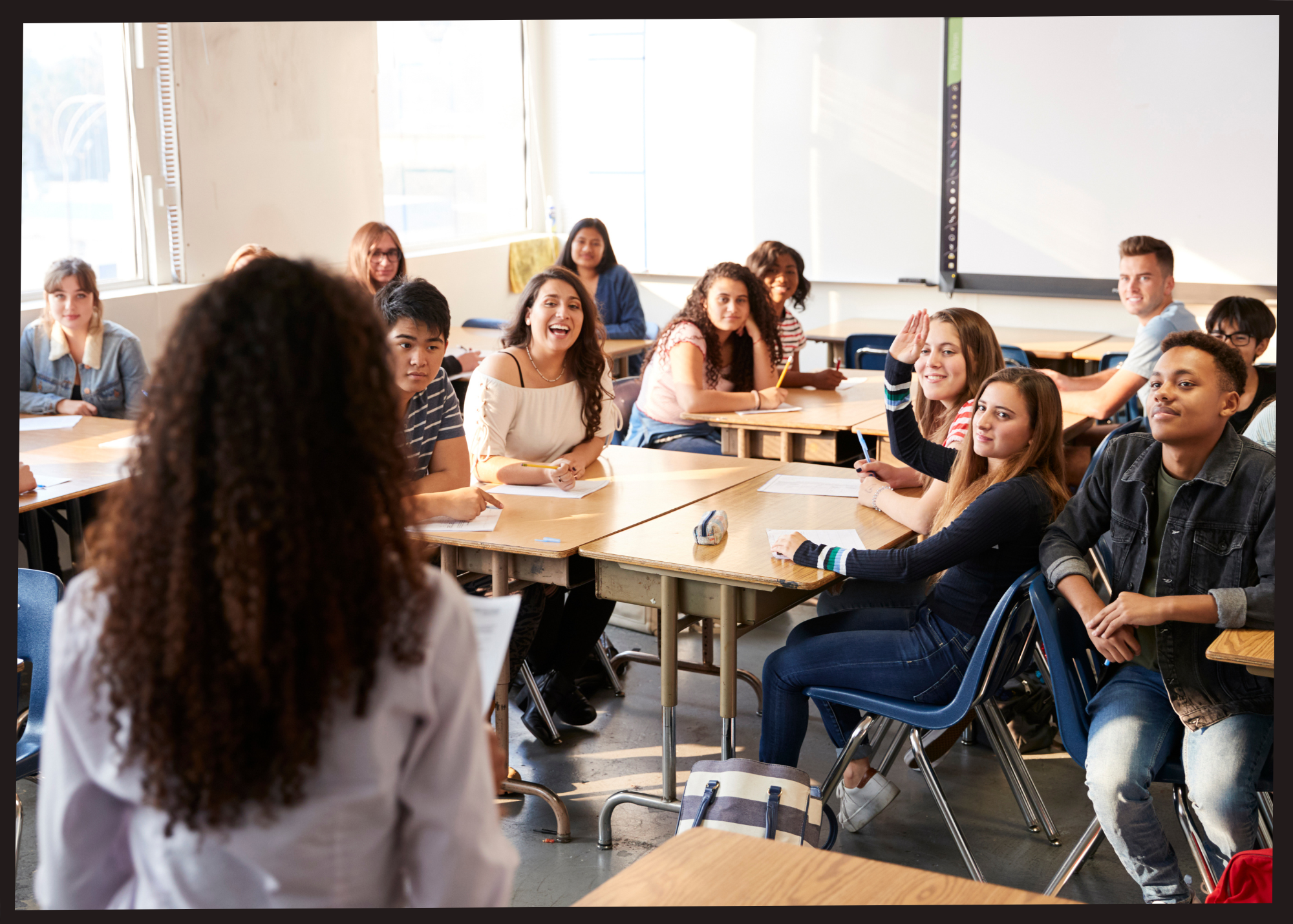
It is important for teachers to encourage collaboration when teaching gifted students as it allows them to work with their classmates to solve challenging problems, discover unique solutions, develop critical-thinking abilities, and build communication skills. Gifted students can often benefit from working with their peers on a variety of tasks.
By working with others, gifted students can learn to actively listen to and respect others’ thoughts, sharpen their skills, and discover new ways of thinking. Encourage them to find and form study groups, or to take part in activities or competitions that require collaboration.
Additionally, collaboration gives students the opportunity to learn from their peers and share ideas, which can help them to develop a deeper understanding of the material. This is a great way for them to delve further into the curriculum and become more immersed in it. Working with others also allows gifted students to practice social skills, such as problem-solving, listening, and negotiation. All of these skills are essential for success in the future.

INTRODUCE REAL-WORLD APPLICATIONS
It is important for teachers to introduce real-world applications when teaching gifted students because it allows them to make connections between their course material and the real world. Gifted students, as well as many other “typical” students, often have an interest in exploring the practical applications of what they are learning.
Introducing real-world application can help your students understand the relevance of the material and gain a deeper understanding of the subject. This can help support in motivating gifted students to apply the material to solve real-world problems, giving them a sense of purpose and inspiring them to think critically. It can also enable them to develop important skills such as problem-solving, critical thinking, and creativity.
Try to introduce projects or activities that allow your students to apply their knowledge in a real-world setting. By introducing real-world applications in the classroom, you can help begin to foster these skills in gifted students and help them to become more engaged in their learning.
PROVIDE CHALLENGE
It is vital for teachers to challenge their gifted students as these students in particular have the ability to think critically and problem solve beyond their peers. Gifted students are capable of high-level thinking, so don’t be afraid to challenge them with complex topics or problems.
By challenging gifted students, you can support them in reaching their full potential and truly maximize their knowledge, skills, and gifts. Additionally, if gifted students are not adequately challenged, they may become bored and underachieve, or begin to disrupt and agitate their peers.
Through challenging tasks, you can also help your gifted students learn important skills, such as time management, goal setting, and self-advocacy. Try to introduce difficult material and encourage them to think critically, problem solve, and develop creative solutions.
Finally, by providing an environment that fosters challenge and learning, teachers can help create an atmosphere of engagement and collaboration, which can help foster a sense of belonging and self-esteem in gifted students (as well as the rest of your class).

PROVIDE ENRICHMENT OPPORTUNITIES
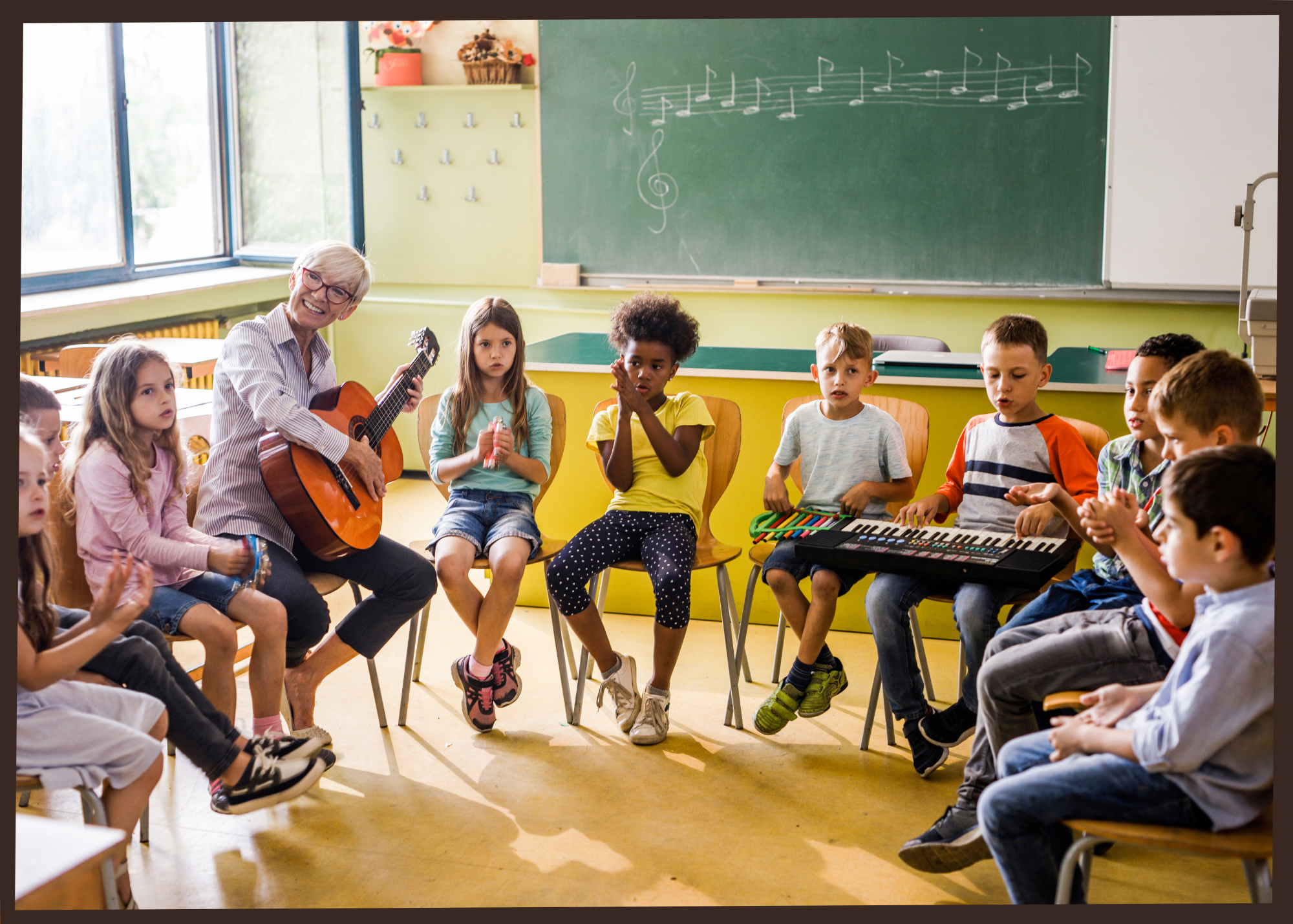
Providing enrichment opportunities when teaching gifted students is crucial because these students have a higher level of ability and need additional challenges in order to reach their full potential. Enrichment activities allow gifted students to extend their learning and explore areas of interest that may not be covered in a traditional classroom setting.
Gifted students often need enrichment opportunities to stay engaged and motivated. If there are not enough opportunities for gifted students to become engaged in their academic work, they will begin to loose interest.
Consider setting up field trips, special classes, or other activities that provide a deeper understanding of the subject matter. This type of learning can help to develop critical thinking skills, foster creativity, and encourage problem-solving.
Furthermore, providing enrichment opportunities allows gifted students to explore their passions and develop a deeper understanding of the material. Providing enrichment opportunities can also help to motivate and engage gifted students, which can have a positive impact on their overall learning experience.
By following these tips, you can provide a stimulating and engaging learning environment for your gifted students. With the right approach, they can reach their full potential and develop a lifelong passion for learning.
Well, what are your thoughts? Have you taught gifted students before and, if so, have these strategies worked? Are there any tools or strategies I’ve missed that you find are fantastic? Let me know!
ENJOYED THIS? HERE ARE SOME OTHER BLOG POSTS ON KATIE IS A TEACHER YOU MAY LIKE:



WANT EVEN MORE? HERE ARE SOME KATIE IS A TEACHER RESOURCES YOU MAY BE INTERESTED IN:



 katieisateacher.com