

Empathy for others and emotional intelligence is one of the most important skills we need to succeed in our lives. It helps us put ourselves in others’ shoes, build stronger relationships, and be happy in our own lives.
And, it’s one of the most important things we can begin to teach our students. Teaching students empathy is a highly important life skill, one that can be beneficial for them throughout their entire lives.
Let’s first quickly cover what empathy is. Empathy is the ability to understand and share the feelings of another person. It’s a skill that will help our students become better communicators, better problem solvers, and more compassionate people overall.
It’s no surprise then, that teaching students empathy is an important part of helping them become successful, well-rounded individuals. Empathy allows them to develop a greater understanding of others, which in turn can lead to more meaningful relationships and a more inclusive environment in the classroom.
Here are some of my top tips for teaching students empathy.
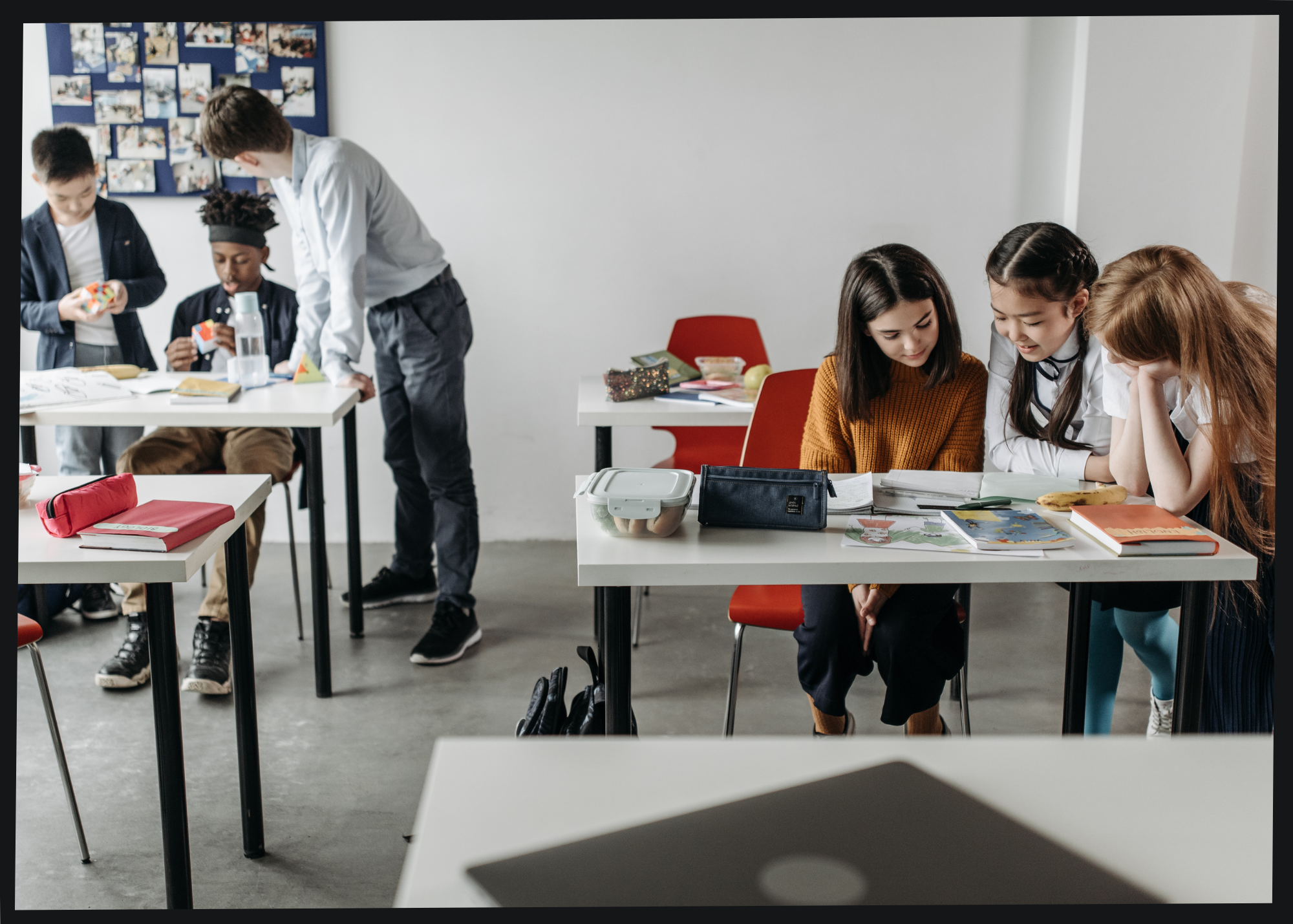
MODEL EMPATHY
As a teacher, it’s important to lead by example. Kids don’t just learn from listening to what we say, they learn from watching what we do. Therefore, showing empathy to everyone in your school will help students learn and see what it looks like in action.
You can model empathy by being understanding and compassionate when students make mistakes or are having a hard time grasping a concept. You should also ensure you are showing real understanding and concern for their experiences.
For example, you can show emapthy to them when genuinely listening to them after an issue they may have with peers during recess, or when they’re tired during class due to something that happened at home, and so on.
Be sure you listen to your students without judgement and make a genuine effort to understand their perspectives. Communicate with them in a positive and supportive manner; this shows them that you care about their wellbeing.
Be understanding when students make mistakes and do your best to give them the benefit of the doubt when you can. If you’re having a difficult conversation with a student, ensure you are maintaining a respectful tone and really listen to what they have to say without judgement.
You can show your empathy in both verbal and non-verbal ways. For example, using a kind tone and telling students you understand their perspective are verbal ways to demonstrate empathy, while nodding and making sure you are maintaining eye-contact are non-verbal ways to show you are listening.
DISCUSS EMPATHY
Make sure that you talk to your students about empathy and explain why it’s important. First you should define what empathy is so your students really understand it. Explain that empathy is the ability to understand and share the feelings of other people, and that it’s an important part of being a successful and kind person.
You can provide your students with examples of how empathy can be used in everyday life, such as being aware of the feelings of others and taking them into consideration when making decisions or interacting with people. Also encourage students to use active listening skills and to think before they speak.
Try facilitating discussions between students about empathy and provide opportunities for them to practice putting themselves in the shoes of others. Ask your students to come up with examples of times that they have shown empathy.
Finally, you could also provide activities and role-playing scenarios to help students learn to empathize with one another. Bring them together as a large group after having small-group discussions to talk about how they can show empathy to others. They’ll have lots of ideas of their own and will also learn from their classmates.

ENCOURAGE STUDENTS TO EXPRESS THEIR FEELINGS
Always let your students know that it’s okay to express their feelings in a respectful way. This could be through speaking kindly to others, journaling, talking about their feelings in class, or even drawing or painting.
Encouraging your students to share their feelings can help them to better understand how their peers may be feeling in various situations. When students are encouraged to share their perspective, they can gain insight into how their peers may be feeling and what emotions they could be experiencing. This can support them in understanding the perspectives of others and become more sympathetic and understanding.
Furthermore, when students are able to express their feelings in a safe and supportive environment, they can learn how to respond to different emotions in a way that is more compassionate and caring. This can help them to develop better relationships with their peers and understand why someone may be feeling a certain way.
Ultimately, by encouraging students to share their feelings, they can learn how to be more empathetic and understanding towards others.

GIVE STUDENTS OPPORTUNITIES TO PRACTICE EMPATHY
Do your best to give your students opportunities to practice empathy in the classroom. This could be through role-playing scenarios, discussing current events, or bringing forward various scenarios where students can discuss how they might respond to a particular situation.
Indeed, role-playing activities are a great way for students to develop their empathy skills. Ask your students to practice taking on different points of view and having conversations in which they can think about the feelings of others. This allows them to put themselves in someone else’s shoes and understand how their actions may affect another person.
Through this process, students can gain insight into how their behaviour might influence others, as well as learn how to show compassion. By providing your students with opportunities to practice empathy, they can become more aware of the emotions and needs of others and develop stronger empathy skills.

SHOW STUDENTS HOW TO USE EMPATHY IN PROBLEM SOLVING
It’s a good idea to teach your students how to use empathy when solving their problems. For example, if you are discussing a challenging situation with students, ask them to consider how different people in the situation might be feeling and how they could use empathy to come up with a reasonable solution.
Showing students how to use empathy in problem solving can help them learn empathy by providing them the opportunity to practice and develop skills that are necessary for successful problem solving.
By teaching students to consider the feelings and perspectives of others, they can learn to recognize the impact of their words and actions on those around them. This can help them begin to develop their ability to empathize with others. They will start to learn how to respect the perspectives of those around them and become more conscious of their own communication styles.
Additionally, building empathy can help students become more confident in their problem solving abilities, as they learn to take into account the feelings of their peers and the environment around them.

ENCOURAGE STUDENTS TO CONSIDER OTHERS’ PERSPECTIVES
Remind students that there are other perspectives in the world and that it’s important to consider these perspectives when communicating with others and making decisions. Ask your students to think about how their actions might impact others and how they can be respectful of the feelings and opinions of those around them.
Encouraging students to see others’ perspectives teaches them how to better recognize the various complexities in different situations as well as how to look beyond themselves. When students are exposed to a variety of viewpoints, they can gain insight into how different people might think and feel in different situations. This helps them to recognize the needs of others and to understand why people may have different perspectives.
Additionally, thinking of others’ perspectives encourages your students to be more open-minded and understanding of other people and to be more patient when listening to others.
All of this helps students to develop a sense of empathy for others, which can lead to more meaningful and constructive relationships.

TEACH STUDENTS HOW TO EMPATHIZE
Explain to your students the importance of showing empathy and how it can improve their relationships with others. Discuss with them various examples of how people can be empathetic and discuss the benefits of doing so.
Explicitly teaching your students how to empathize can help introduce them to the concept of understanding how others feel, and how to be compassionate and understanding of different perspectives.
Through activities such as role-playing and discussions, you can guide your students to practice putting themselves in other people’s shoes and understanding their feelings and emotions. This will help students become more aware and sensitive to the feelings of those around them.
Additionally, by giving students a platform to share their own thoughts and feelings, such as through journal writing, you can help them become more open and understanding of the emotions of others.
By allowing your students to practice empathy in a safe and supportive environment, you can help them develop the skills they require to understand and empathize with others.
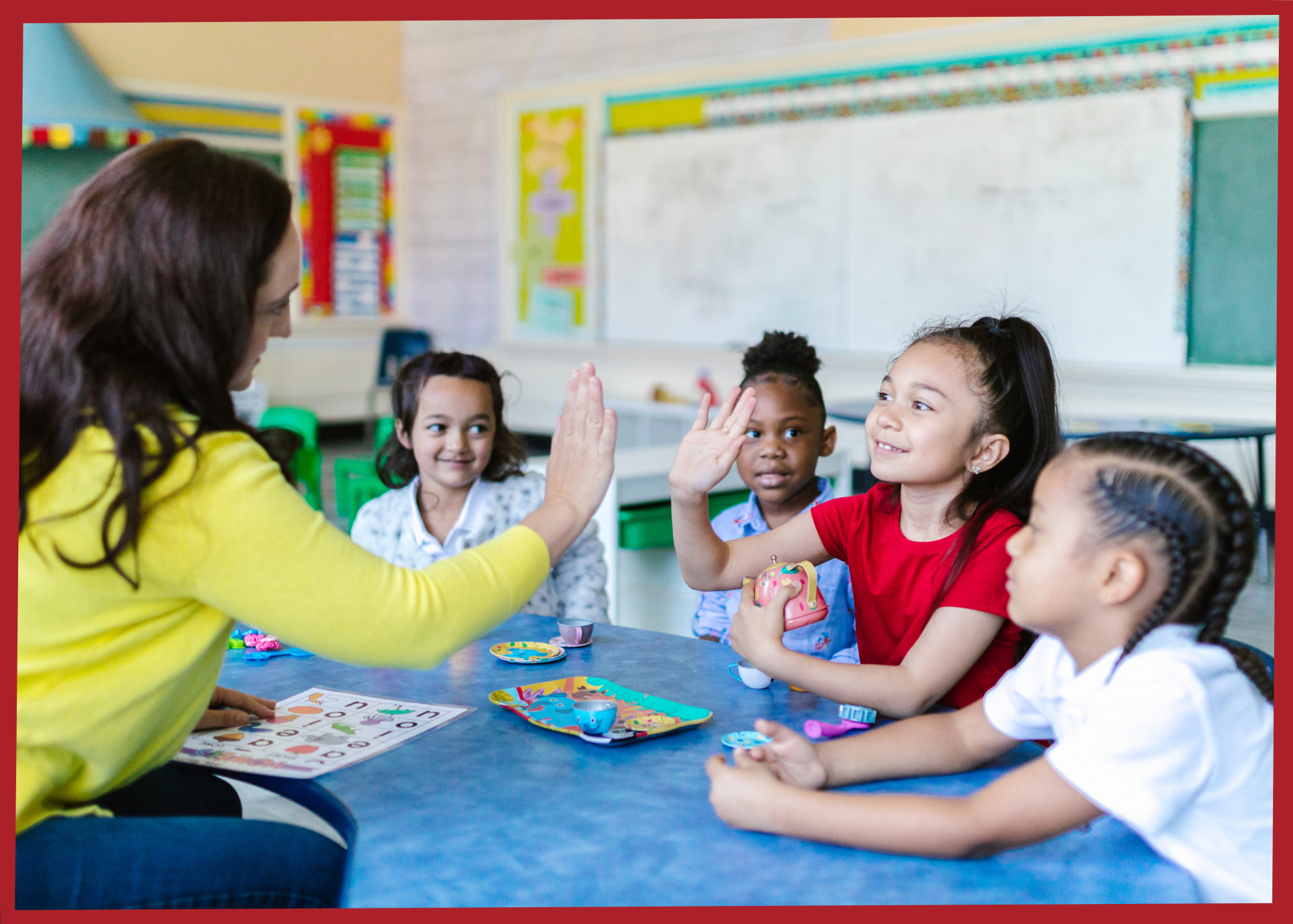
PROMOTE POSITIVE REINFORCEMENT
Make sure that you acknowledge when your students are showing empathy and reward them for their efforts. This will help to reinforce the importance of being empathetic and will encourage your students to continue to develop their skills.
Promoting positive reinforcement with students provides them with a safe environment of support and affirmation. When students are encouraged to recognize and celebrate one another’s successes, it helps to create a sense of unity and belonging in the classroom. This environment can help foster a spirit of cooperation and understanding, which can lead to an increase in empathy among students.
Additionally, providing positive reinforcement for actions that show kindness or respect for others can help students learn to appreciate and value the differences in others, which can also lead to increased empathy.
Finally, teaching students to recognize and acknowledge their own emotions can help them to better understand and relate to the emotions of others, which can help them develop empathy.

By teaching students empathy, teachers can help create a more inclusive environment in the classroom and equip students with the skills they need to build healthy relationships. Empathy is an essential part of becoming a well-rounded individual and should be encouraged in all students.
Overall, by using these tips, you can help your students learn the importance of empathy and give them the tools they need to become more understanding and compassionate people. What do you think? Have you used any other strategies that have worked wonders? Let me know!
ENJOYED THIS? HERE ARE SOME OTHER BLOG POSTS ON KATIE IS A TEACHER YOU MAY LIKE:

WANT EVEN MORE? HERE ARE SOME KATIE IS A TEACHER RESOURCES YOU MAY BE INTERESTED IN:




 katieisateacher.com