
Teaching a conversation class to English language learners can be both challenging and rewarding. As a language teacher, it’s crucial to create an environment where students feel comfortable expressing themselves and practicing their speaking skills.
One of my favourite classes that I teach is English Language Development. It’s a course for students who are learning how to speak English, and it’s so great to have a nice small(er) group to work with!
I love this class because I really feel like I can and do make a difference for these students’ transition to Canada. I get to be a safe spot in the school for them, teach them functional English, and create really fun lessons!
A lot of the work we do in English Language Development is around speaking, and we have several conversation classes. I find these have to be guided, otherwise students will just stare at one another or speak in their home language.
I try my best to push students to work with peers they don’t always interact with and who don’t necessarily speak the same home language as they do. This way, they all have to speak English in order to communicate.
Of course, I also want to ensure they are comfortable in class, so pairing and groupings are always dependent on the students I have and their comfort levels.
To help you make the most out of your conversation lessons, these tips will guide you towards creating engaging and interactive classes. Here are a few of my favourite ideas and lessons to use when instructing an English Language Development course:

CREATE AN INCLUSIVE ENVIRONMENT
Of course, as with any classroom, ensure you are creating a safe and inclusive space for your students.
When teaching a conversation class with English language learners, you’ll likely have of students from all over the world. It’s important for your students to know that they are special, important, and included in your classroom just as they are.
Some of your students also may have experienced trauma in their past, and not always feel safe at school and/or with new people. Allow them time and space to get comfortable with you and their peers.
Also make your classroom a safe space where students feel comfortable expressing themselves, regardless of their language abilities. Always encourage active listening and respect for one another’s opinions.
You can do this by setting ground rules and showcasing and rewarding positive behaviour. This will help shy or less confident students feel more secure and willing to participate actively.

INCLUDE INTERVIEWS
One of my favourite activities to do in our conversation classes is having students interview one another. I always give very clear instructions and a topic. For example, I may have them focus on questions about food, hobbies, or their home country. Talking about themselves is an easy way to begin speaking because they know all the answers!
I love having the students interview one another. This is an easy way to have them learn some basic English terminology. If you have students who are a bit higher, you can have them pick a famous person to interview, then they get to work on research skills and be a bit creative.

ENCOURAGE ACTIVE PARTICIPATION
Getting students to actively participate in conversations is key. Encourage them to engage with one another by asking open-ended questions, encouraging group discussions, and providing ample opportunities for pair work or small group activities.
Ensuring that you do this will allow learners to practice and reinforce newfound language skills in a supportive environment.
If students are having difficulty participating, give them some time to get comfortable, do your best to build a relationship with them, and do what you can to foster their relationships with peers in the class. When they begin to feel comfortable and safe, encourage their consistent participation.
ENSURE STUDENTS ARE ACTIVELY LISTENING
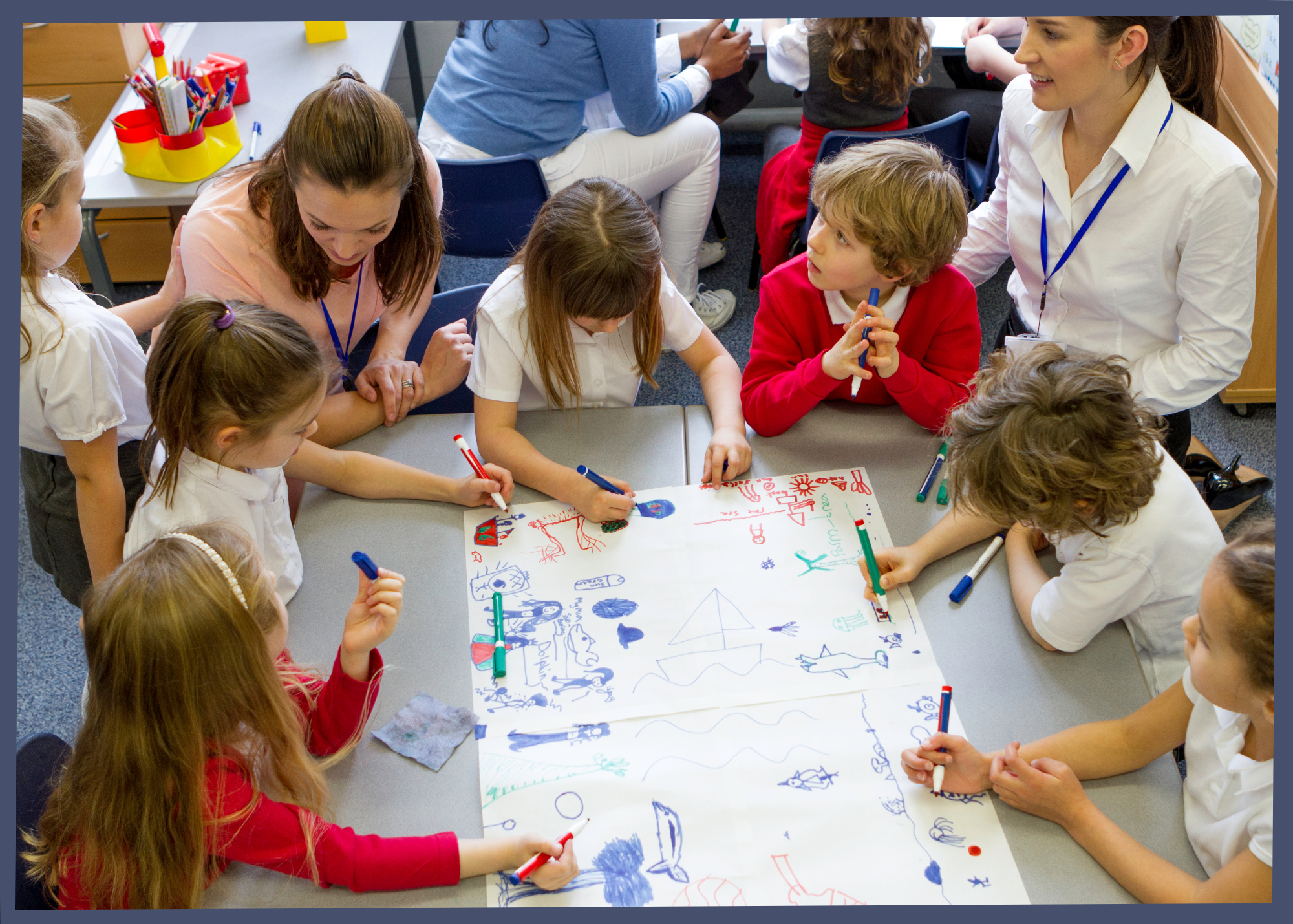
It is vital to make sure that your students are listening during conversation classes. First of all, it’s respectful to their peers and to you as the teacher. They need to show repect to their classmates by listening when they are speaking. They also need to be able to respond when necessary.
Additionally, listening skills are a huge piece of English language development. Students need to learn this skill as well as speaking in order to be able to converse with others and succeed in building language skills.
INCORPORATE ROLE-PLAY AND SIMULATION ACTIVITIES
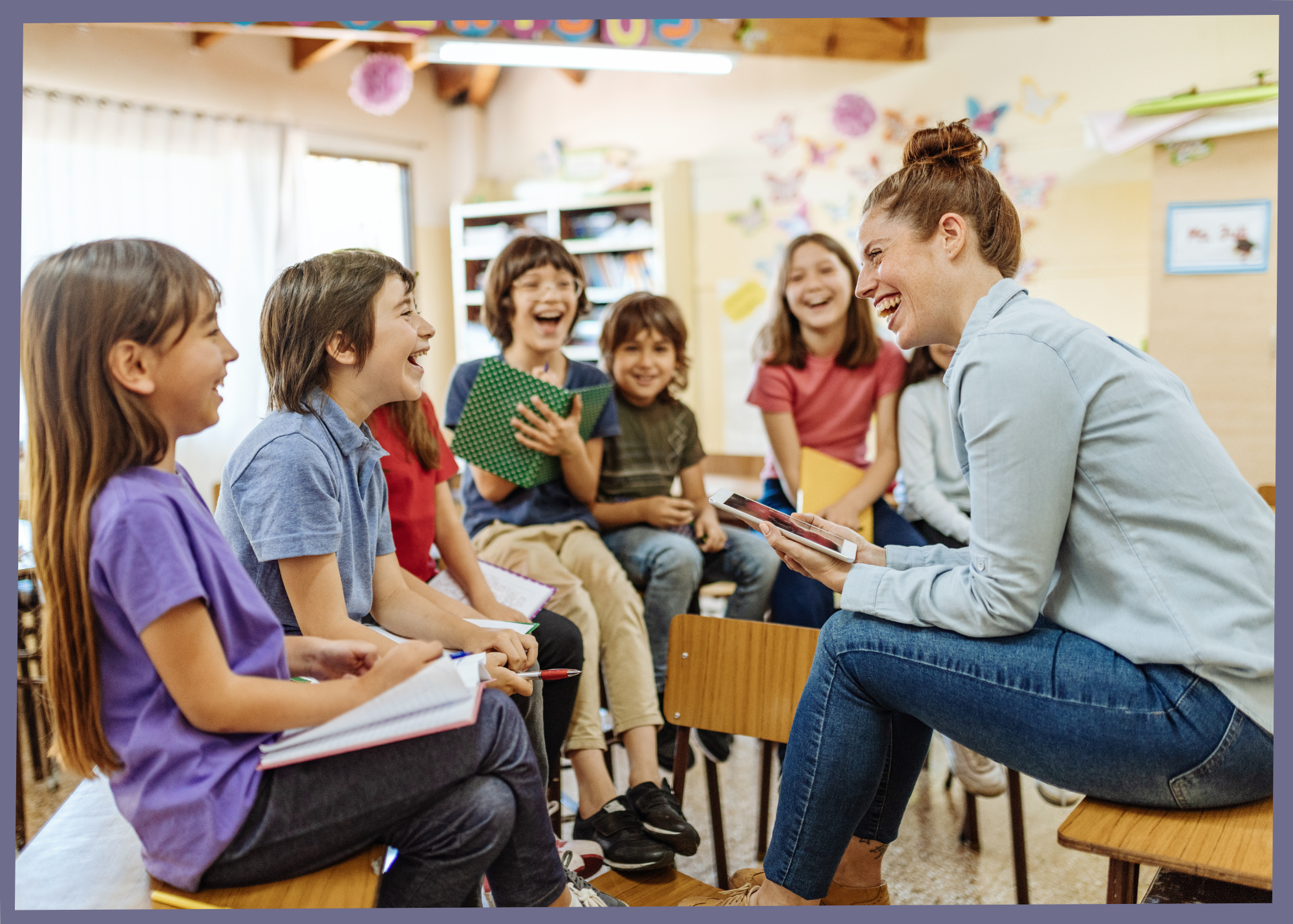
Role-play activities and simulations can be an effective way to recreate real-life scenarios for your students. When doing this, assign different roles, such as a customer and a salesperson, or a doctor and a patient, and allow students to practice conversing in various professional or social settings.
Not only is this activity fun and creative, it helps students break out of their shells. It also is a practical approach which helps develop their fluency and confidence in specific contexts they are likely to encounter.

MAKE QUESTIONS SIMPLE
When asking your students questions, ensure these are simplified. Obviously, they are learning a new language and need to learn basic vocabulary, sentence structure, and so on before they can begin to understand more complex questions and commands.
Keep excess vocabulary and instructions to a minimum. For example, Ask students questions such as “what is your favourite food?” rather than “what food do you crave on a hot summer day?” The first is straightforward and more advanced students can expand their answers, while the second has words like “crave”, which is unlikely to be known and excess discriptive words around the time of year are unnecessary and should be used only when students’ skills increase.
UTILIZE AUTHENTIC MATERIALS
Expose your students to real-life, authentic materials, such as news articles, podcasts, or videos, that reflect real-life conversations. These are more useful and relevant to your students and will make your classes more engaging.
When you incorporate relevant and current topics, it will spark interest and make the conversation lessons more engaging. Real-world materials will also expose learners to different accents, vocabulary, and contexts, enhancing their language proficiency.

DO NOT GET TOO COMPLICATED
Don’t spend all your time planning and reinventing the wheel when simple activities will work great. In fact, the more complicated a lesson, the more likely students are to be confused and, at best learn nothing, and at worst walk away more puzzled than they came in.
Simple conversation starters at the start of class are great, or get to know you games, bingo activities, and so on. Students will respond to these and, generally, at least a few will be familiar with the structure to support others when necessary.
UTILIZE TASK-BASED LEARNING
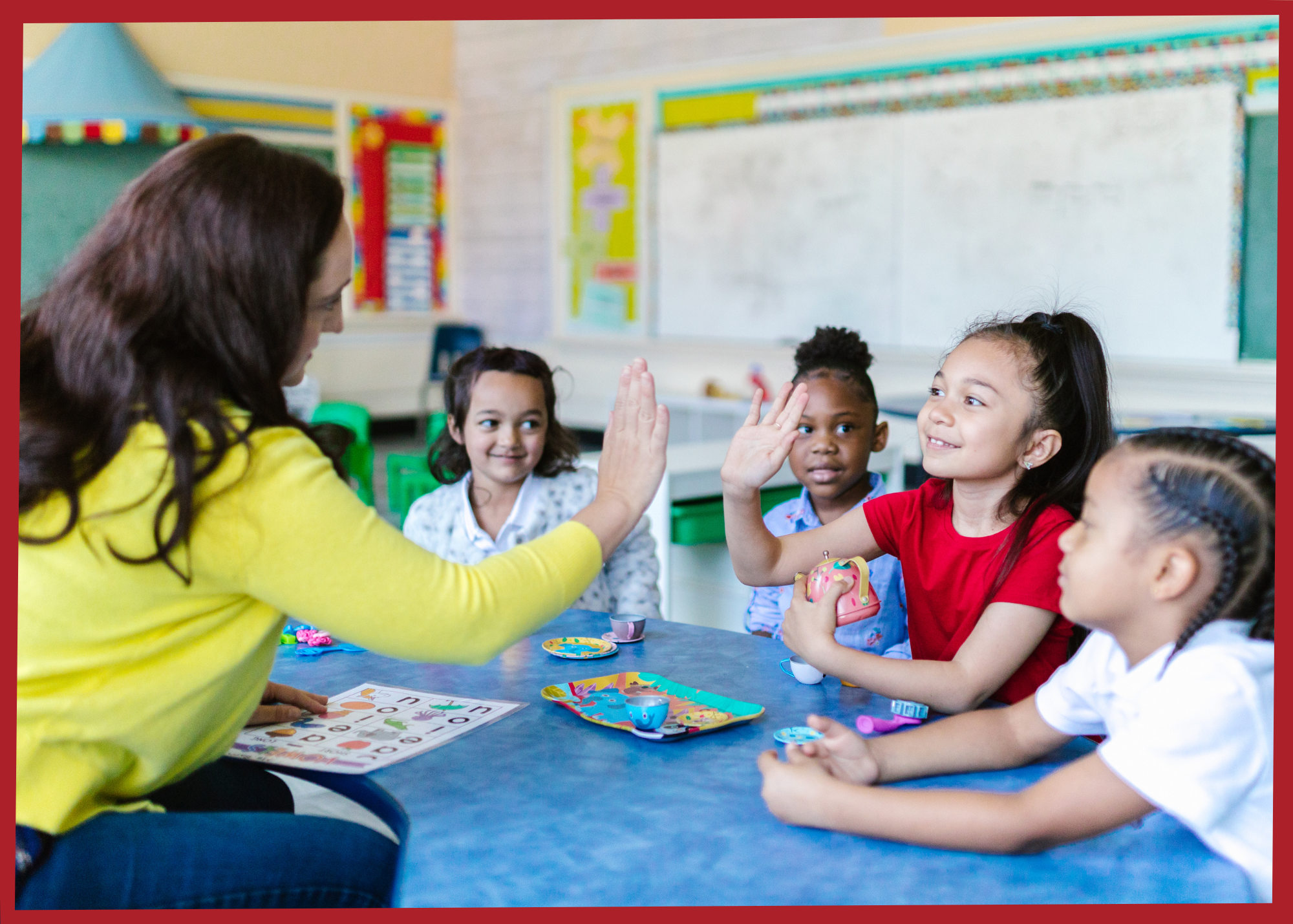
Implementing task-based learning can be highly beneficial for conversation classes. This allow kids to work hands-on, in groups, and utilize different skill-sets.
Assigning group projects or tasks that require communication and problem-solving skills will not only enhance their linguistic abilities but also promote collaboration and teamwork.
For example, you could have your students plan an event, debate or discuss a current issue, or give a presentation on a topic that interests them.
START WITH EVERY DAY TOPICS
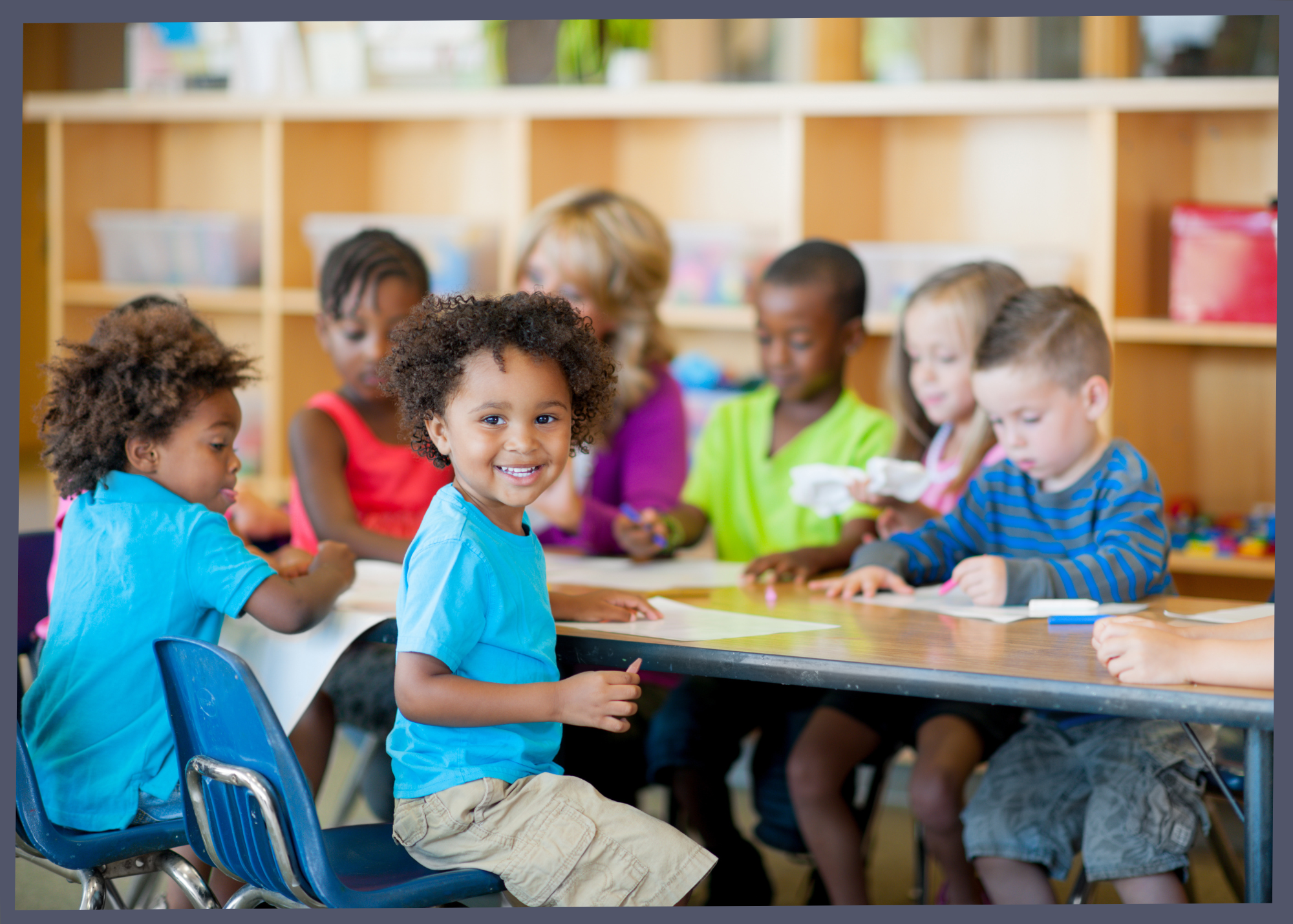
Starting with every day topics is important for a couple of reasons. First of all, it’s simple and commonplace so students will have an easier time understanding. This will make it easier, overall, for new language learners to begin to feel comfortable.
Second, every day topics are the things that your students are encountering – you guessed it – every day. Therefore, they will already have some understanding of many things, helping them to feel comfortable. It will also make what you’re learning abut authentic and immediately useful to them as they navigate a new language.
CORRECT MISTAKES STRATEGICALLY
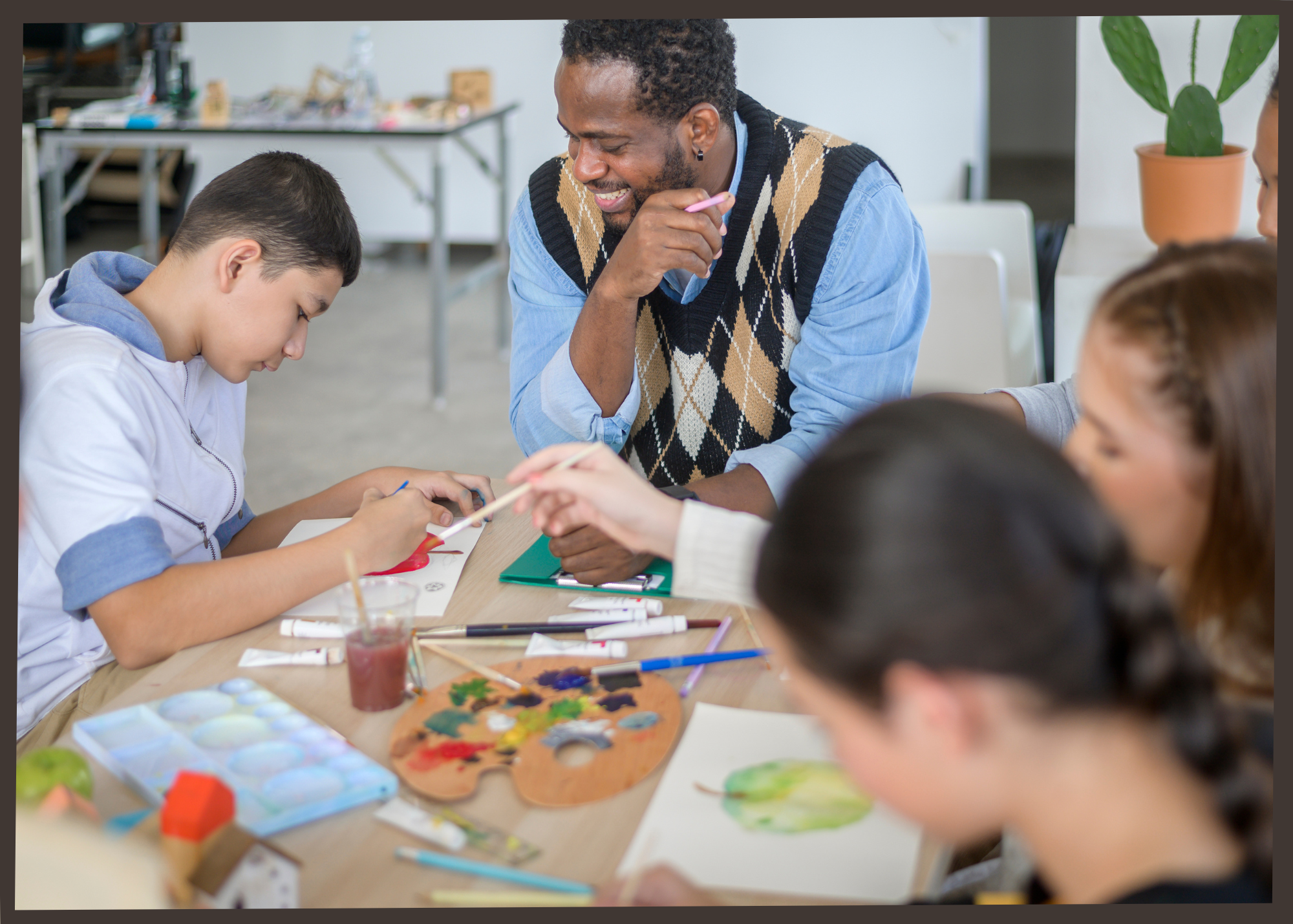
Addressing mistakes during conversations should be done strategically to avoid discouraging students. You never want to make them feel silly or dumb for making a mistake.
Prioritize fluency over accuracy in the beginning stages, allowing learners to express themselves freely.
Afterward, provide constructive feedback targeting specific linguistic areas for improvement, such as pronunciation, grammar, or vocabulary, focusing on key errors rather than correcting every single mistake.

In conclusion, teaching a conversation class to English language learners should aim to create an inclusive, engaging, and authentic language environment.
By incorporating these tips, you can foster active participation, provide real-world language experiences, and boost students’ confidence in expressing themselves fluently.
Remember, language acquisition is a journey, and with a supportive and interactive approach, you can help your students achieve their conversational goals.
ENJOYED THIS? HERE ARE SOME OTHER BLOG POSTS ON KATIE IS A TEACHER YOU MAY LIKE:


WANT EVEN MORE? HERE ARE SOME KATIE IS A TEACHER RESOURCES YOU MAY BE INTERESTED IN:



 katieisateacher.com