We spend a lot of time as educators in the early years working with kids of sight words. It’s important for us to do so as literacy lays the foundation for our children’s success academically.
Sight words are a fundamental part of early literacy development, but many people are unaware of their importance. Sight words are words that children learn to recognize without having to decode the letters of the word.
They are essential for early readers because they are the most commonly used words in the English language and make up the majority of what is read and written. When it comes to fostering reading skills, we really cannot underestimate the role of sight words in student success.
Essential for building fluency and comprehension, sight words serve as invaluable stepping stones in a child’s journey towards becoming a confident and independent reader.
In this post, I want to discuss why teaching sight words is so essential and how these seemingly simple words can have such a profound impact on young learners.
SPEED AND FLUENCY
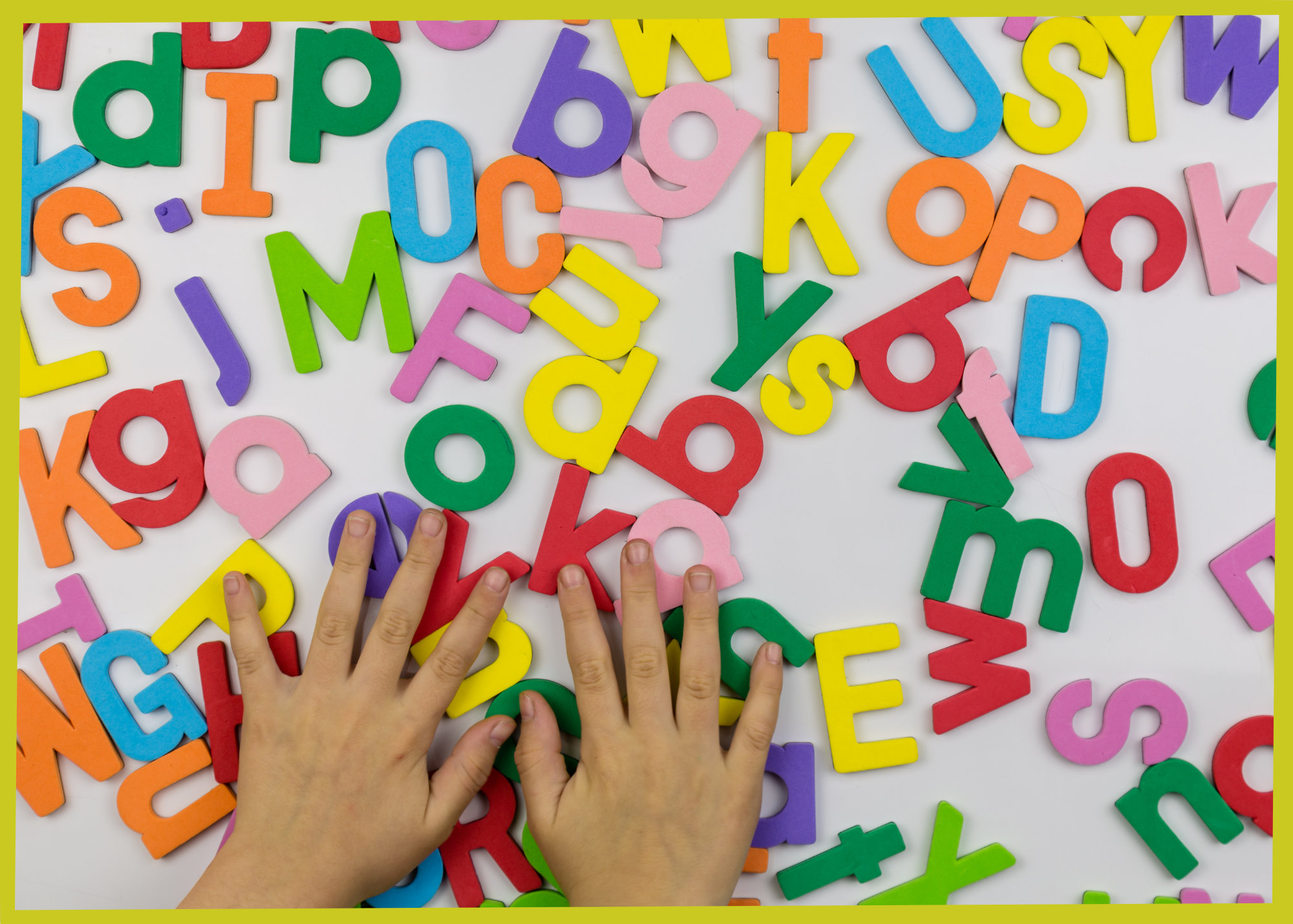
In early reading stages, children often struggle to decode words, relying heavily on sounding them out, which hinders their reading speed. This is where sight words shine.
These frequently used words, such as “the,” “and,” and “is,” are introduced as whole units, enabling children to quickly recognize them on sight.
By bypassing the decoding process, students can read sight words effortlessly, enhancing their reading fluency and overall speed.
ENHANCING COMPREHENSION
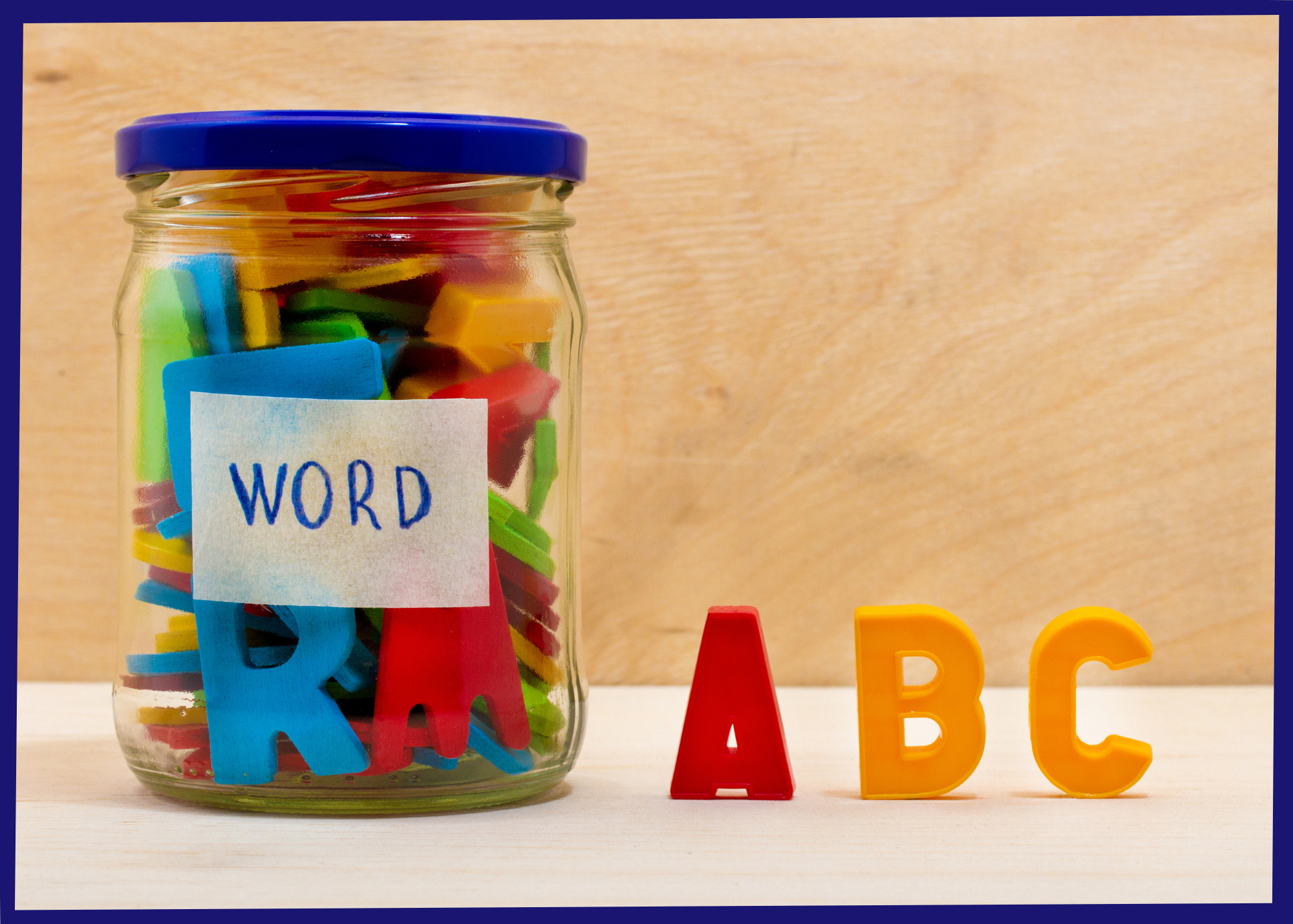
Mastery of sight words also paves the way for improved reading comprehension. When children no longer need to expend excessive cognitive energy on decoding every word, they can redirect their focus towards understanding the meaning and context of the text.
By recognizing sight words automatically, young readers can spend more time making connections between words, sentences, and concepts, leading to a deeper understanding of the text as a whole.
Sight words also provide children with the skills to begin reading sentences and paragraphs. When children can recognize the most common words, they can start to make sense of what they are reading.
For example, if a child can recognize the sight words “the” and “and” they can begin to understand that the sentence “The cat and the dog” means that there is both a cat and a dog.
BUILDING VOCABULARY
Sight words serve as building blocks for expanding a child’s vocabulary. While sight words themselves may not be particularly “fancy,” they frequently appear in texts across various genres and topics.
By mastering sight words, young learners develop a solid foundation of common words that they will encounter repeatedly.
This familiarity empowers them to take on more challenging texts, gradually building their vocabulary and understanding of more complex language patterns.
BOOSTING CONFIDENCE AND INDEPENDENCE
Nothing instills a sense of accomplishment in a young reader quite like the ability to read independently. As sight words are often simple and repetitive, they provide early success experiences for beginner readers.
This early success is vital in nurturing confidence and motivating children to further explore the world of reading. When children encounter sight words in different settings and can read them with ease, they feel empowered and encouraged to take on more challenging texts and expand their reading horizons.
For young learners, sight words provide a bridge between recognizing individual letters and sounding out words. When children can recognize sight words quickly, it helps to build their confidence in reading and gives them a foundation of knowledge that they can build upon.
For example, when a child can recognize the words “the” and “and” they can begin to recognize other words that contain those letters, such as “them,” “there,” and “then.”

STRENGTHENING SPELLING SKILLS
Sight words not only enhance reading but also play a vital role in developing strong spelling skills. Since sight words are frequently used, they provide an excellent opportunity for children to practice spelling patterns and phonics rules they have already learned.
By recognizing and memorizing the spelling of sight words, children internalize common spelling patterns, which they can then transfer to unfamiliar words and improve their overall spelling proficiency.
When children are able to recognize the sight words quickly, it makes it easier for them to recognize and spell other words that contain the same letters. For example, if a child can recognize the word “the” they can then recognize and spell words such as “there” and “their.”
Overall, it’s clear that teaching sight words to young learners is crucial for their reading development. By focusing on these frequently used words, children build speed, fluency, and comprehension skills, which are vital for becoming proficient readers.
Moreover, sight words lay the foundation for vocabulary expansion, boost confidence, and help develop strong spelling skills. Incorporating sight word instruction into early reading programs can significantly impact a child’s academic journey, equipping them with essential literacy skills that will benefit them for years to come.
Remember, sight words are not just words; they are building blocks to unlock the magical world of reading. Sight words are an essential part of early literacy development and should be taught to young learners. By recognizing the most commonly used words in the English language, children can build a strong foundation for reading and writing.
ENJOYED THIS? HERE ARE SOME OTHER BLOG POSTS ON KATIE IS A TEACHER YOU MAY LIKE:

WANT EVEN MORE? HERE ARE SOME KATIE IS A TEACHER RESOURCES YOU MAY BE INTERESTED IN:


 katieisateacher.com