

In a world where emotions can often feel like a rollercoaster ride, teaching emotional regulation has become an essential skill for teachers. Think of a classroom where students possess the tools to navigate their emotions, where self-regulation becomes second nature, and academic success is intrinsically tied to emotional well-being.
This post is your guide to achieving just that. Join us as we embark on an enlightening journey, delving into the realm of teaching emotional regulation, and uncovering invaluable strategies, practical advice, and wisdom from leading experts.
From understanding emotional triggers to empowering students to self-regulate, this post provides tips, tricks, and expert insights aimed at equipping you with the knowledge and tools necessary to effectively support students who struggle with emotional self-regulation.
Pack your curiosity, open your mind, and get ready to discover the transformative power of teaching emotional regulation.
UNDERSTANDING EMOTIONAL REGULATION
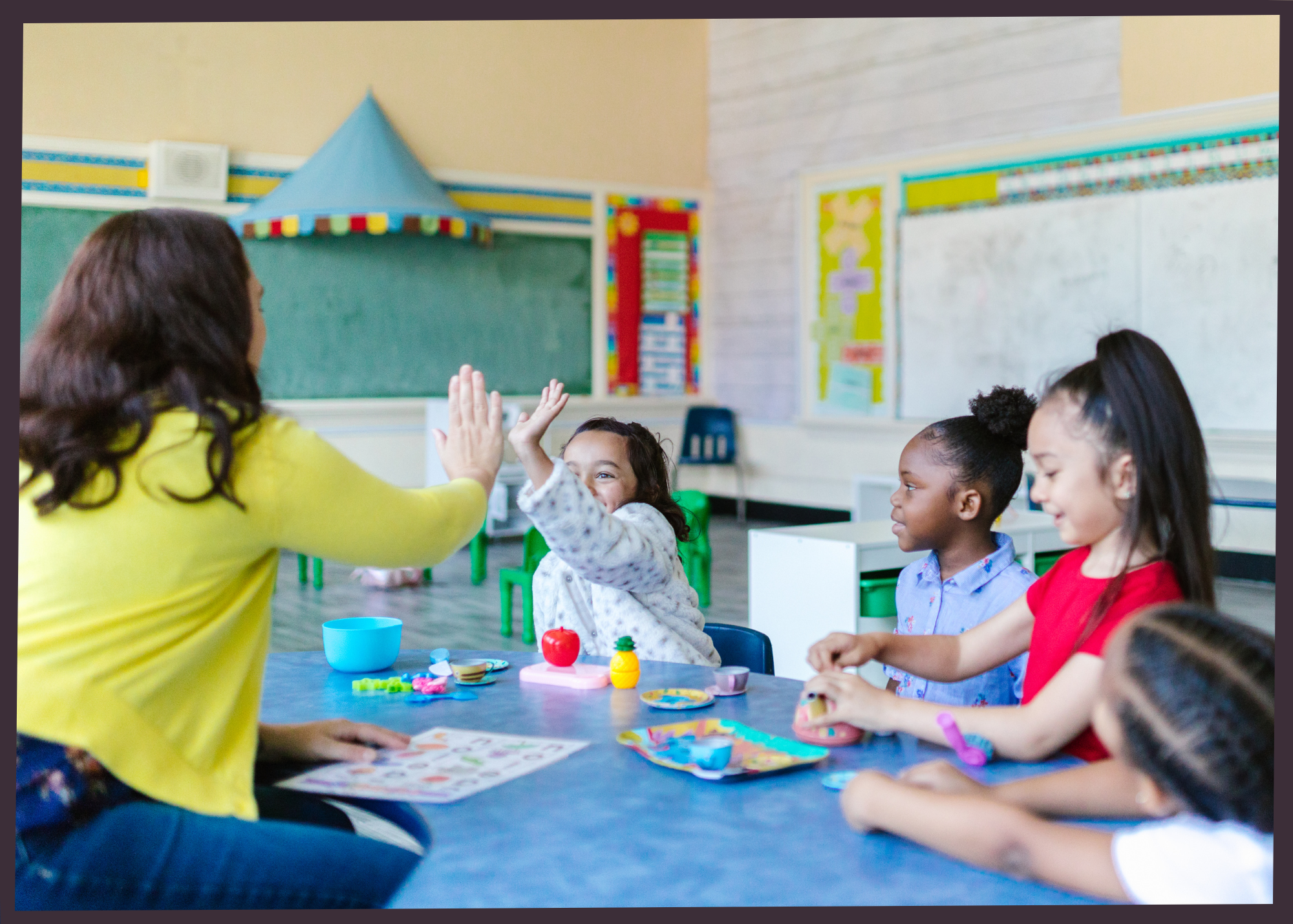
Understanding emotional regulation is a crucial step toward effectively teaching students how to navigate their emotions. By gaining insight into the complex dynamics of emotional regulation, educators can better equip themselves with the knowledge and strategies necessary to support their students’ emotional well-being.
Emotional regulation refers to the ability to effectively manage and respond to one’s own emotions. It involves being aware of your feelings, understanding what causes them, and being able to control how you express them.
Some key aspects of emotional regulation include awareness, which involves recognizing and identifying your own emotions as they arise. Another aspect is understanding, which is knowing the reasons behind your emotions and what triggers them. Expression involves controlling how you outwardly express your emotions, such as through facial expressions, tone of voice, and body language. Management is being able to regulate the intensity and duration of your emotional responses. Finally, adaptation involves adjusting your emotions appropriately based on the situation and social context.
Effective emotional regulation does not mean suppressing emotions or denying them altogether. Instead, it involves finding healthy ways to cope with and manage your feelings, which can lead to better interpersonal relationships, reduced stress, and improved overall well-being.
IDENTIFYING EMOTIONAL TRIGGERS
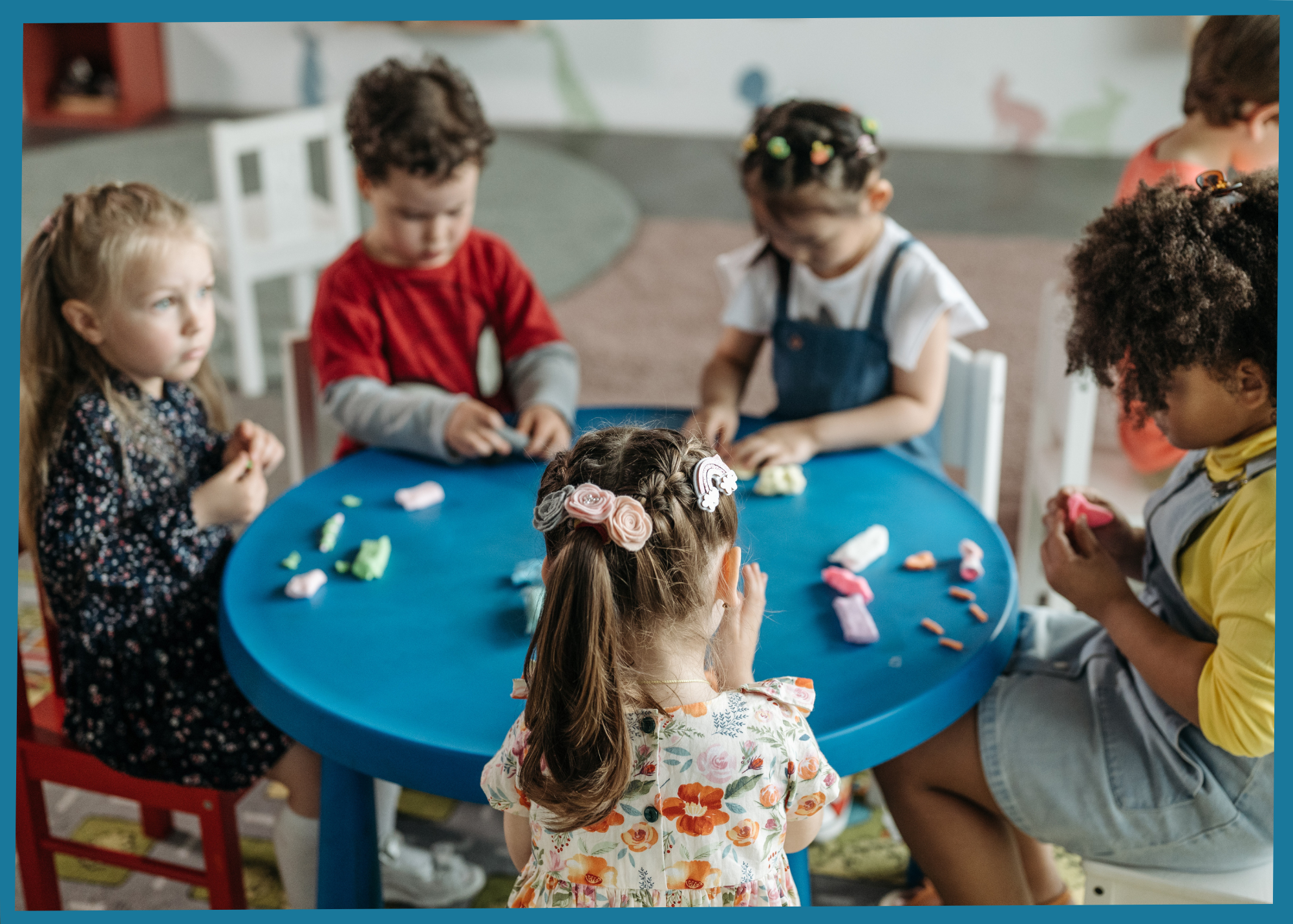
In order to effectively teach emotional regulation, it is essential for teachers to be able to identify emotional triggers within their students. These triggers (sometimes obvious, but often subtle) are the specific events, feelings, or circumstances that elicit strong emotional responses. By recognizing these triggers, educators can gain valuable insights into their students’ emotional experiences and tailor their support accordingly.
Emotional triggers can vary greatly from person to person, as what may cause intense emotions for one student might not affect another in the same way. Triggers can be rooted in past experiences, personal beliefs, or even environmental factors. For example, a student who has experienced a traumatic event may be triggered by situations that remind them of that event, such as loud noises or crowded spaces. Similarly, a student with anxiety may be triggered by social interactions or academic pressure.
It is crucial for teachers to create a safe and open space where students feel comfortable expressing their emotions and discussing their triggers. By fostering such an environment, educators can encourage students to openly communicate their emotional experiences and provide necessary support. Paying close attention to students’ verbal and non-verbal cues can also help to pinpoint potential triggers.
Observing changes in behaviour, body language, or mood can provide valuable clues about emotional triggers. For example, if a student becomes visibly tense or withdrawn during a specific activity or when interacting with certain classmates, it could indicate that they are being triggered in some way. By noting these patterns and gathering information, educators can begin to form a better understanding of the individual triggers that impact each student’s emotional regulation.
Once teachers have identified emotional triggers, they can work towards helping students develop effective coping mechanisms and strategies to manage their emotional responses. This process involves collaboration between teachers, students, and potentially other support professionals to create personalized plans that address each student’s unique triggers and emotional needs.
DEVELOPING EMOTIONAL AWARENESS
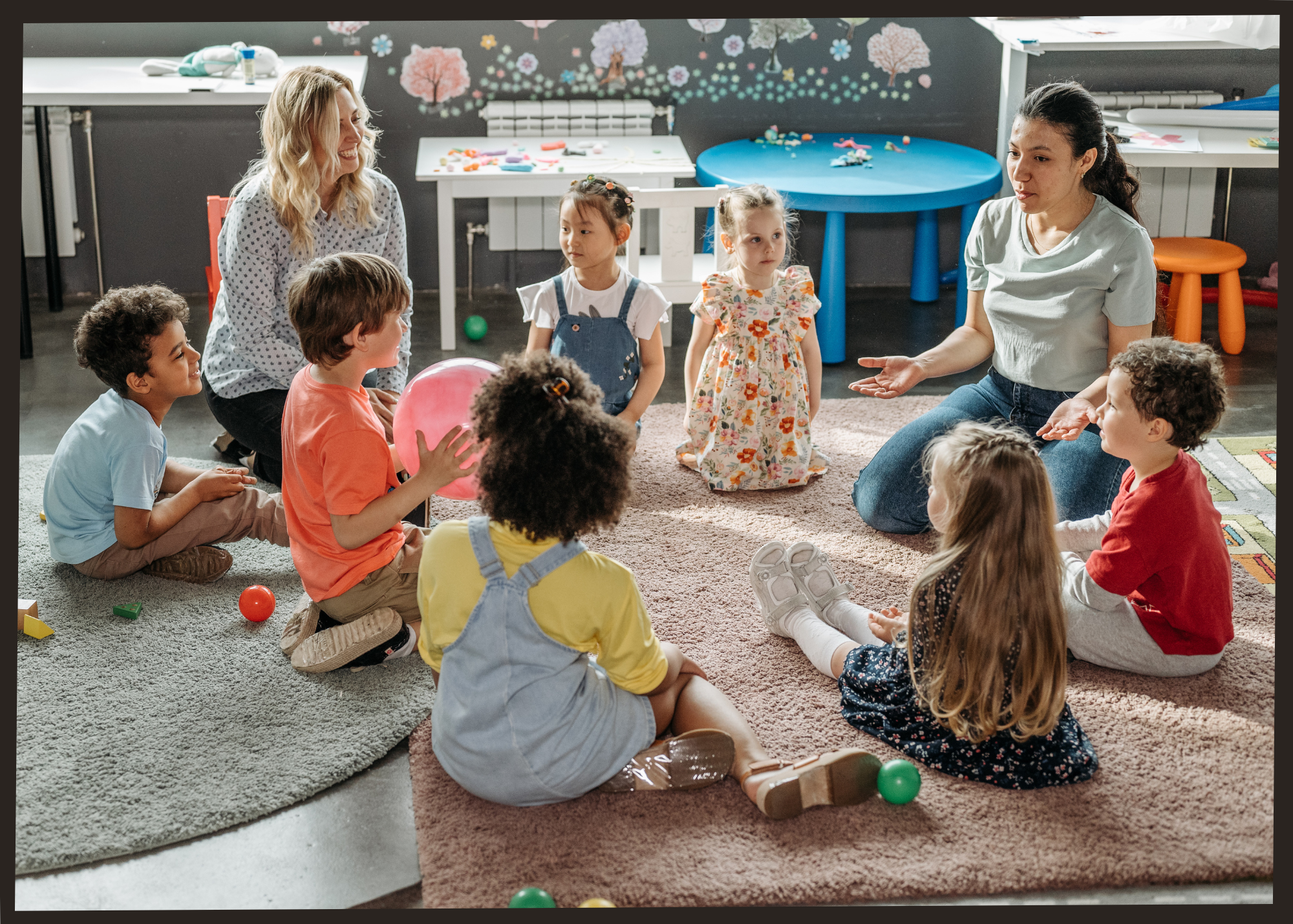
Developing emotional awareness in students plays a crucial role in their journey toward emotional regulation. By encouraging students to cultivate an understanding of their own emotions and personal triggers, teachers can empower them to navigate their feelings in healthier and more productive ways.
Emotional awareness involves recognizing and understanding one’s own emotions, as well as the factors that contribute to them. When students develop this self-awareness, they gain valuable insights into their emotional responses, helping them identify patterns and understand why certain situations trigger specific feelings. By becoming attuned to their emotions, students can take proactive measures to manage those emotions and prevent them from escalating.
Furthermore, emotional awareness promotes empathy and understanding towards others’ emotional experiences. When students are more in tune with their own feelings, they become more receptive to recognising and empathising with the emotions of their peers. This empathy creates a supportive classroom environment where students can relate to one another and offer assistance when needed.
Teachers can foster emotional awareness in students through various strategies. One effective approach is incorporating mindfulness exercises into daily routines, such as deep breathing exercises or guided meditation. These practices encourage students to be present in the moment, acknowledge their emotions, and observe them without judgment. Additionally, journaling or reflective writing activities provide an outlet for students to express and explore their emotions, promoting self-reflection and emotional self-awareness.

TEACH COPING MECHANISMS
By developing emotional awareness, students lay the groundwork for effectively managing their emotions and building resilience. With emotional awareness as a strong foundation, students can approach coping strategies with a deeper understanding of their own emotional landscape, enhancing their ability to regulate their emotions in a positive and proactive manner.
Teaching coping mechanisms is a crucial aspect of helping students navigate their emotions and develop healthy emotional regulation skills. Coping mechanisms are tools and strategies that individuals can use to manage stressful situations, regulate their emotions, and restore a sense of balance and well-being. By teaching students a range of coping mechanisms, teachers can empower them to effectively cope with challenging emotions and situations both inside and outside the classroom.
One effective approach to teaching coping mechanisms is to provide students with a variety of options to choose from. Different mechanisms work for different individuals, so it’s important to expose students to a range of strategies and encourage them to find what works best for them. Some common coping mechanisms include deep breathing exercises, engaging in physical activity or exercise, practicing mindfulness or meditation, engaging in creative outlets such as art or music, seeking support from friends, family, or counselors, and practicing positive self-talk and reframing negative thoughts.
It’s important to teach students that coping mechanisms are not a one-size-fits-all solution but rather a toolbox of strategies that can be utilized depending on the situation. Encourage students to explore and experiment with different coping mechanisms to find what resonates with them personally. By fostering a sense of agency and autonomy in managing their emotions, students will develop valuable self-regulation skills that they can carry with them throughout their lives.
EMPOWERING STUDENTS TO SELF-REGULATE
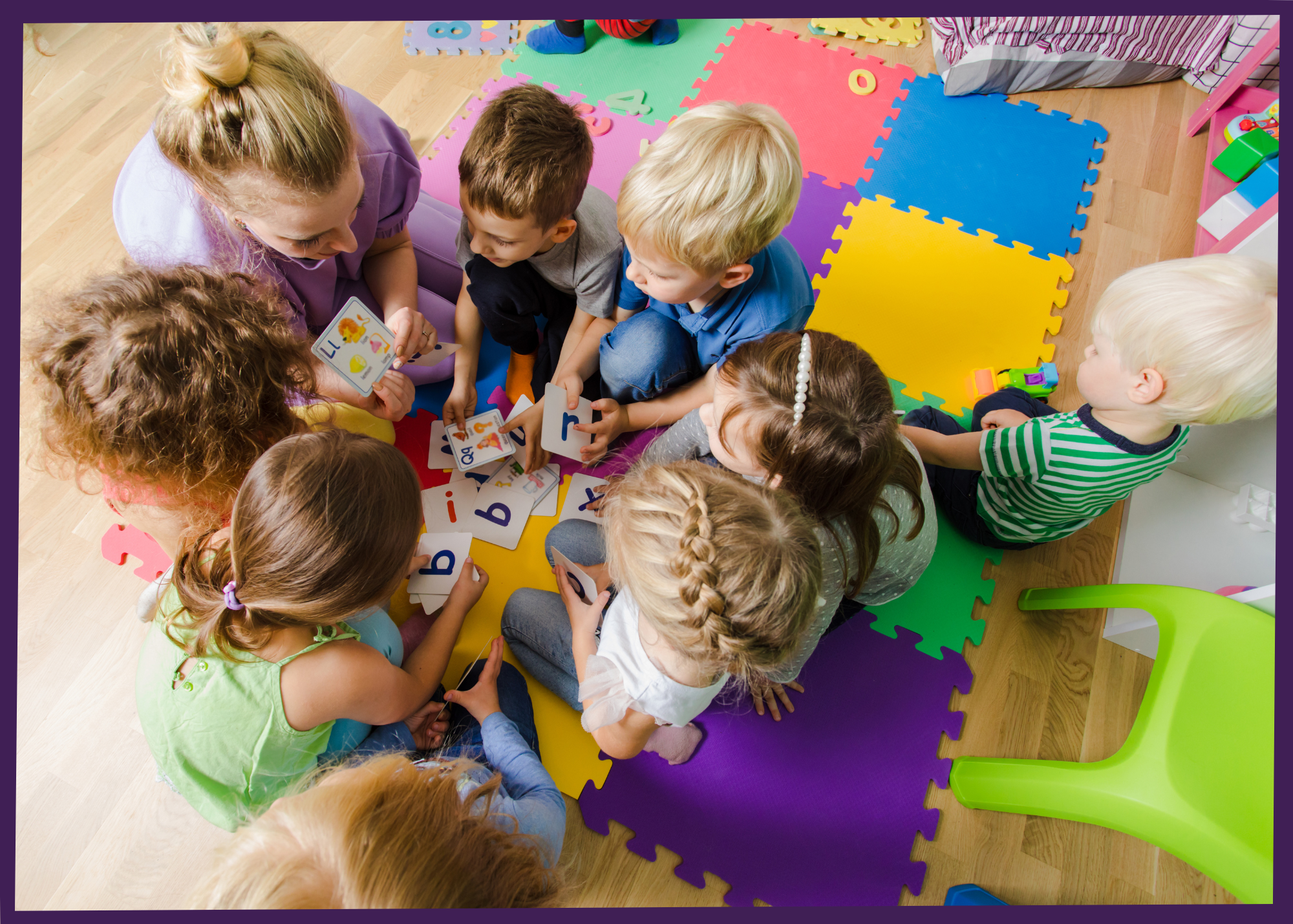
Teaching emotional regulation goes beyond simply equipping students with coping mechanisms; it also involves creating a supportive environment that encourages the utilization of these strategies. By embedding coping mechanisms into the very fabric of the classroom and school culture, educators hold the power to help students develop emotional resilience and the ability to navigate their emotions in a healthy and effective manner.
One crucial aspect of fostering emotional regulation is establishing open lines of communication within the classroom. Encouraging students to express their feelings, thoughts, and concerns openly can create a safe space for them to process their emotions. When students feel heard and validated, they are more likely to develop a sense of self-awareness and become proactive in managing their emotional well-being. By actively listening and responding with empathy, educators build trust and facilitate the development of healthy emotional regulation skills.
Another key element in empowering students to self-regulate is cultivating empathy and understanding among individuals in the classroom community. Teachers can promote empathy by teaching students to recognize and validate each other’s emotions. Encouraging students to understand and support one another helps establish a culture of compassion and encourages the development of emotional regulation skills. By fostering an environment where students feel understood and respected, we provide a solid foundation for students to feel empowered in managing their own emotions.
Consistent routines and structures are essential in creating a supportive environment for students to self-regulate effectively. Predictable schedules and clear expectations provide students with a sense of stability and security, helping to mitigate feelings of anxiety and overwhelm. By implementing routines and structures, teachers empower students to anticipate and adapt to changes, reducing the likelihood of emotional outbursts and facilitating a smoother emotional regulation process.
By integrating coping mechanisms, open communication, empathy, and consistent routines into the classroom and school culture, educators lay the groundwork for empowering students to take control of their emotional well-being. When students are equipped with the knowledge and tools to self-regulate, they are better prepared to handle life’s challenges and navigate their emotions in a healthy manner. Empowered with these skills, students can more effectively manage stress, build resilience, and foster overall emotional well-being.

In the journey of teaching emotional regulation, this guide helps to equip educators with invaluable strategies, expert insights, and practical advice for supporting students’ emotional self-regulation. By understanding emotional triggers, developing awareness, teaching coping mechanisms, and empowering students to self-regulate, teachers can profoundly impact their students’ well-being and academic success.
Patience, empathy, and ongoing support are crucial on this continuous journey. Let’s equip our students with essential skills to navigate their emotions and flourish in all aspects of life. Through teaching emotional regulation, we have the power to leave a lasting, positive impression on our students. Take action today and create a classroom that fosters emotional growth and resilience.
ENJOYED THIS? HERE ARE SOME OTHER BLOG POSTS ON KATIE IS A TEACHER YOU MAY LIKE:


WANT EVEN MORE? HERE ARE SOME KATIE IS A TEACHER RESOURCES YOU MAY BE INTERESTED IN:




 katieisateacher.com