
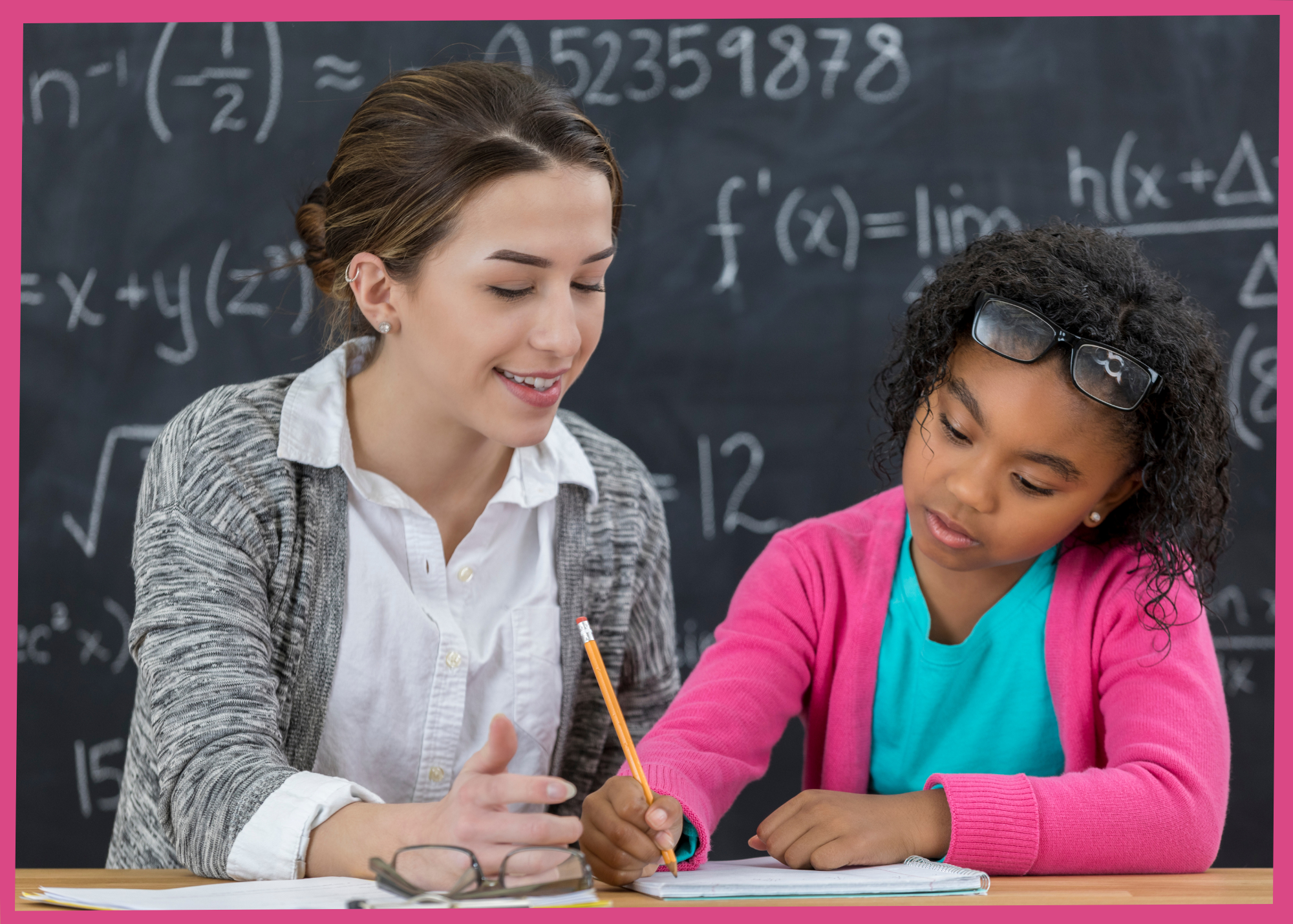
Division is a complex mathematical operation that requires a solid understanding of numbers and their relationships. Many students struggle with division because of its abstract nature, and it can be difficult for teachers to find effective ways to present the concept in a way that is easy to understand and engaging for students.
Division is often seen as a difficult and tedious subject to teach. But it doesn’t have to be! With a few creative strategies, you can make teaching division fun and engaging for your students. Instead of thinking of division as a tricky concept for students to learn, think instead of ways to make it fun and engaging.
Here are a few tips to help you make teaching division more enjoyable.
USE MANIPULATIVES
Manipulatives are a great option when teaching math because they allow students to use their hands and create a visual. They make division more tangible and fun for students.
Manipulatives are physical objects (like counters, blocks, coins, or cards) that students can use to visually represent division problems. For example, if you’re teaching the concept of ‘sharing’, you can give students a pile of counters and have them physically divide them into equal groups.
When you are working as a whole class or in small groups, show students how to use manipulatives. This way, when they are working independently, they will have a better understanding of how to use manipulatives themselves and will gain further independence.

PLAY GAMES
Games are a great way to reinforce division concepts. You can create your own game or use online games like math bingo or division flash cards. In general,games make division more interactive and engaging for students, which helps them to enjoy their learning even more.
There are lost of different games or activities you can try out with your class. For example, you could organize a scavenger hunt activity where students have to find a certain number of items that can be divided into equal groups. You could also use a game like “Divide and Conquer” where students have to use their division skills to break into teams and compete against each other.

USE TECHNOLOGY
There are a ton of online tools – both free and paid – to help students with math concepts. Therefore, technology is a great tool to add to your toolbox when teaching division.
Whether you use games, resources, or apps, there is plenty to help students learn division in a fun and engaging way. For example, you can use virtual manipulatives like Base Ten Blocks to help students visualize the concept of division, you can play online games, or you could utilize digial flash cards.

INCORPORATE MOVEMENT
Movement helps to keep students engaged and helps them retain information. You can incorporate movement into teaching division by having students split into teams or groups, demonstrating how to divide themselves.
You can also put questions on the board and have students run to the front to answer. I will often do this with ratios and fractions. I will split the class into two teams and give them cards with ratios, fractions, and division questions on them. I will put an equivalent ratio on the board, and the first team who can send one player up with the equivalent number will get a point. It’s a lot of fun and the students get to work together, get out of their seats, and have fun.

UTILISE REAL-LIFE EXAMPLES
Another way to make teaching division more enjoyable is to use stories and real-life examples. This is also a good way to have students better remember concepts, as they will have a tangible memory to recall when needed.
For example, you could tell a story about a family that needs to divide a pizza into equal slices for each person. Or, you could use a real-life example from the grocery store, such as dividing a dozen eggs into three equal bags. Using real-life examples such as these helps to make division more relatable and engaging for students.

USE VISUALS
You can also make teaching division more enjoyable and easier to understand by using visuals. This will help all students, not just visual learners. I find it usefual to have visuals around the class and always with me when doing math centres with small groups.
For example, you could create a poster or chart of division facts and equations that can be used as a reference for students. You could also use fraction circles and fractions squares to show how to divide numbers into various portions.

Teaching division doesn’t have to be a tedious process. By incorporating elements of fun into your lessons, you can make the learning process more engaging and effective for your students.
The key to making any subject more enjoyable and accessible is to incorporate elements of fun into the teaching process. When students are having fun, they are more likely to be engaged and motivated to learn. This is especially true for challenging subjects like division. By turning division lessons into games or interactive activities, students can learn the concept in a more relaxed and enjoyable environment.
So, do not be afraid to think outside the box! Go ahead and try some new strategies! You might be surprised at just how much fun you and your students can have while learning division!
ENJOYED THIS? HERE ARE SOME OTHER BLOG POSTS ON KATIE IS A TEACHER YOU MAY LIKE:


WANT EVEN MORE? HERE ARE SOME KATIE IS A TEACHER RESOURCES YOU MAY BE INTERESTED IN:



 katieisateacher.com