
In today’s diverse and ever-evolving world, fostering an inclusive and accepting classroom environment for students with Down Syndrome is not just a noble endeavour, but a necessity. Every child deserves the same opportunity to learn and grow in an educational setting that embraces their unique abilities and celebrates diversity.
In this post, we will explore practical tips, examples, and valuable resources that educators can utilise to promote inclusion and diversity in the classroom for students with Down Syndrome. Together, let’s create an environment where every student feels valued, supported, and empowered to reach their full potential.

WHAT IS DOWN SYNDROME?
To lay the groundwork for promoting inclusion and diversity in the classroom for students with Down Syndrome, it is crucial to have a clear understanding of what Down Syndrome is. This knowledge will help teachers create an environment that is supportive, accommodating, and respectful of the unique needs and abilities of these students.
Down syndrome is a condition in which the child is born with an additional chromosome. Due to the extra chromosome, individuals with Down Syndrome have delays in mental and physical development. They also have a increased risk for various health problems.
Students with Down Syndrome often have mild to moderate intellectual disabilities. However, these students are still able to learn and develop skills throughout their lives. Your students with Down Syndrome are all unique and will reach goals at different rates; it’s important not to compare them to typical peers or to one another.
Individuals with Down Syndrome have a wide range of abilities and will be able to do many different things. With support and understanding, educators can help these students develop many different skills.
UNDERSTANDING THE IMPORTANCE OF INCLUSION
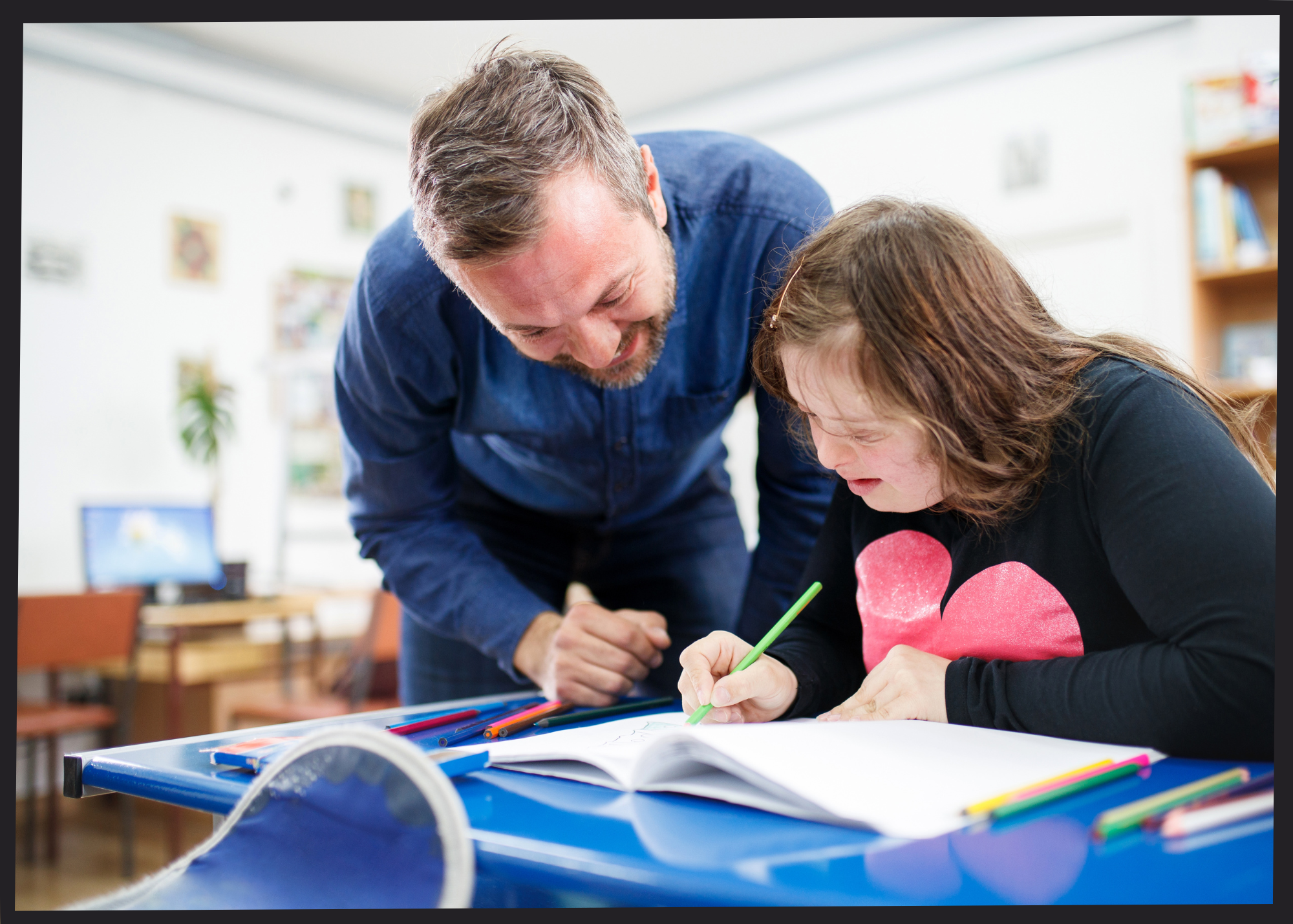
In order to establish an inclusive and diverse classroom environment for students with Down Syndrome, it is essential to recognize the significance of inclusion itself. Inclusion goes beyond simply having students with disabilities present in the classroom; it is about actually including them. It includes genuinely valuing and embracing the unique contributions and perspectives that each student brings to the learning experience.
When students with Down Syndrome are included in the classroom, they have the opportunity to develop meaningful connections with their peers, fostering a sense of belonging and acceptance. Beyond the social aspect, inclusion also promotes academic growth for all students. By recognizing and accommodating the diverse abilities and learning styles of students with Down Syndrome, educators can create a supportive and engaging learning environment that benefits every student.
Inclusion in the classroom is not only crucial for students with Down Syndrome, but it also has a positive impact on the attitudes and understanding of their typically developing peers. When students are exposed to diversity and inclusivity at an early age, it cultivates understanding, empathy, compassion, and acceptance. These qualities extend beyond the classroom, shaping a generation that embraces differences and strives for an inclusive society.
By understanding the importance of inclusion, teachers can design classroom practices and policies that promote equal opportunities for all students. This understanding sets the stage for the implementation of strategies and approaches that embrace differences and create a truly inclusive learning environment.

STRATEGIES FOR INCLUSIVE TEACHING
In this section, we will explore specific strategies that can help teachers foster inclusivity and support the diverse needs of students with Down Syndrome and their peers, ensuring that every student can thrive and succeed together.
These strategies are designed to promote inclusivity and support the individual needs of students with Down Syndrome. By embracing differences, teachers can create an inclusive learning environment where all students feel valued and included. One strategy is to incorporate differentiated instruction, tailoring lesson plans and teaching methods to meet the unique learning styles and abilities of each student. This approach recognizes that students with Down Syndrome may require additional support or modifications to fully participate in classroom activities. Teachers can create individualised learning plans, provide additional resources, and adapt assignments to ensure all students have an equal opportunity to learn and succeed.
Another strategy is to promote collaborative learning experiences. By encouraging students to work together in groups or pairs, teachers can foster a sense of community and cooperation in the classroom. This collaborative approach allows students with Down Syndrome to engage with their peers, build social skills, and learn from one another. Teachers can create structured group activities that promote teamwork and encourage all students to contribute their unique perspectives and abilities.
In addition, creating a supportive and inclusive classroom culture is essential. Educators can facilitate open discussions about diversity and inclusivity, encouraging students to share their experiences and perspectives. This dialogue helps foster understanding, empathy, and acceptance among students, creating a safe and welcoming space for everyone. Teachers can also incorporate inclusive language and materials, ensuring that all students feel represented and included in the curriculum.
By embracing differences and implementing these strategies, teachers can create a truly inclusive learning environment for students with Down Syndrome and their peers. This approach not only supports the academic and social development of students with disabilities but also benefits all students by fostering empathy, compassion, and acceptance.

PROVEN STRATEGIES FOR TEACHING STUDENTS WITH DOWN SYNDROME
Building upon the foundation of inclusive teaching discussed in the previous section, it is important for educators to have proven strategies in place that are specifically tailored to meet the unique needs of students with Down Syndrome. These strategies not only support their academic and social development but also benefit all students by fostering empathy, compassion, and acceptance. By implementing these strategies, teachers can create a truly inclusive learning environment for students with Down Syndrome and their peers.
One key strategy for teaching students with Down Syndrome is to provide clear and consistent routines. These students often thrive in structured environments where they know what to expect and can anticipate the sequence of activities. By establishing predictable routines and using visual schedules, teachers can help students feel more secure and confident in their learning.
Another effective strategy is to break down tasks into smaller, manageable steps. Students with Down Syndrome may struggle with processing information and benefit from having instructions broken down into smaller pieces. By providing clear, step-by-step instructions and offering support and guidance at each stage, teachers can help students with Down Syndrome stay engaged and understand the content more effectively.
Adapting instructional materials is another essential strategy for teaching students with Down Syndrome. Teachers can provide additional visual aids, such as diagrams, charts, or graphic organisers, to support their understanding. Using multisensory approaches, such as incorporating hands-on activities or incorporating movement into lessons, can also help engage these learners and enhance their comprehension and retention of information.
Furthermore, it is important for teachers to utilise a variety of teaching methods and instructional strategies to cater to the diverse learning styles and abilities of students with Down Syndrome. This may involve incorporating manipulatives, technology, and cooperative learning activities to facilitate active participation and ensure that every student can access and engage with the curriculum.

HOW TO DIFFERENTIATE FOR STUDENTS WITH DOWN SYNDROME
Differentiating instruction for students with Down Syndrome is essential for promoting their academic success and overall inclusion within the classroom. The most important way to ensure you are meeting the unique needs of these students is by providing individualised instruction tailored to their specific strengths and challenges. This can be achieved through the use of personalised learning plans, wherein teachers identify each student’s learning goals and create tailored strategies to help them achieve those goals. This ensures strategies and tools which work are documented and built upon as the student finds success and progresses.
An effective strategy for differentiation is the use of multi-sensory teaching techniques. Students with Down Syndrome often benefit from hands-on learning experiences that engage multiple senses. For example, teachers can incorporate tactile materials like textured objects or manipulatives to enhance comprehension and reinforce key concepts. Additionally, incorporating visual aids such as charts, diagrams, and colour-coded instructions can help students with Down Syndrome better understand and retain information.
Technology can also play a vital role in differentiating instruction for students with Down Syndrome. Assistive technology tools, such as speech-to-text software or interactive learning apps, can provide additional support and enhance accessibility. These tools can help students with communication difficulties express themselves more effectively and participate actively in classroom discussions. Additionally, technology can offer opportunities for independent learning and practice, allowing students to work at their own pace and reinforce learning at their comfort level.
Collaborative learning activities can also further support the inclusion and engagement of students with Down Syndrome. By structuring group work and cooperative learning tasks, teachers can encourage peer interaction, foster teamwork, and promote social skills development. Pairing students with Down Syndrome with their peers can create opportunities for mutual learning and support, as well as create an inclusive classroom environment where all students are valued and respected.

CREATING A SUPPORTIVE CLASSROOM ENVIRONMENT
Creating a supportive classroom environment is essential for promoting inclusion and diversity in the education of students with Down Syndrome. It is important for teachers to cultivate an atmosphere where every student feels valued, respected, and supported in their learning journey. By creating a positive and inclusive classroom environment, teachers can lay the foundation for meaningful collaboration and engagement.
One key aspect of creating a supportive classroom environment is establishing clear expectations and guidelines for behaviour and interaction. Teachers can implement classroom rules that promote empathy, kindness, and respect for all students. By setting these expectations from the beginning, teachers can ensure that students understand the importance of inclusivity and diversity, and that they have a shared responsibility to create a safe and welcoming environment for everyone.
In addition to clear guidelines, teachers can also incorporate specific strategies and techniques that foster inclusivity and support for students with Down Syndrome. For example, providing visual aids, such as visual schedules and visual cues, can help students with Down Syndrome navigate the classroom routines and tasks more effectively. Teachers can also offer individualised supports, such as modified assignments or additional resources, to accommodate the unique learning needs of students with Down Syndrome.
As discussed above, creating a supportive classroom environment involves promoting collaboration and social interaction among students. When teachers organise group activities and projects, students of all abilities and differences are able to build teamwork and support skills. Using partner and group work benefits all students, not just those who are diverse learners. Genuine inclusion promotes empathy, understanding, and acceptance among all students.
By focusing on creating a supportive classroom environment, teachers can ensure that students with Down Syndrome feel included, supported, and empowered in their educational journey. This nurturing atmosphere sets the stage for effective differentiation strategies and paves the way for meaningful collaboration with parents and caregivers.

COLLABORATING WITH PARENTS AND GUARDIANS
Parents and caregivers play a vital role in a student’s life, and their involvement in the education process is key to promoting inclusion and diversity in the classroom. When teachers collaborate with parents and caregivers, they can gain valuable insights into each student’s unique strengths, challenges, and goals. This partnership can help create a comprehensive understanding of the student’s needs and develop effective strategies to meet them.
Regular communication between teachers and parents/caregivers is essential for maintaining a cohesive support network. Teachers can schedule regular meetings, send progress reports, and initiate open channels of communication to discuss any concerns or successes. This ongoing dialogue ensures that everyone is on the same page, working together towards the best possible outcomes for the student.
In addition to communication, collaboration between teachers and parents/caregivers also involves actively involving them in decision-making processes. Teachers can seek input from parents and caregivers when creating individualised education plans or setting goals for their child’s academic and social growth. This inclusion helps establish a sense of ownership and responsibility among all stakeholders, making the journey toward inclusion and diversity a collective effort.
Furthermore, teachers can provide resources, materials, and information to parents and caregivers, equipping them with the necessary tools to support their child’s learning outside the classroom. This could include recommending books, websites, or local support groups focused on Down Syndrome education and advocacy. By empowering parents and caregivers with knowledge and resources, teachers further strengthen the collaborative partnership and contribute to the student’s overall success.
Collaborating with parents and caregivers not only enhances the educational experience of students with Down Syndrome, but it also fosters a sense of community and shared responsibility within the classroom. By working together, teachers, parents, and caregivers can create a supportive network that values inclusion, diversity, and the individual strengths of each student.
INDIVIDUALISED EDUCATION AND OPPORTUNITIES
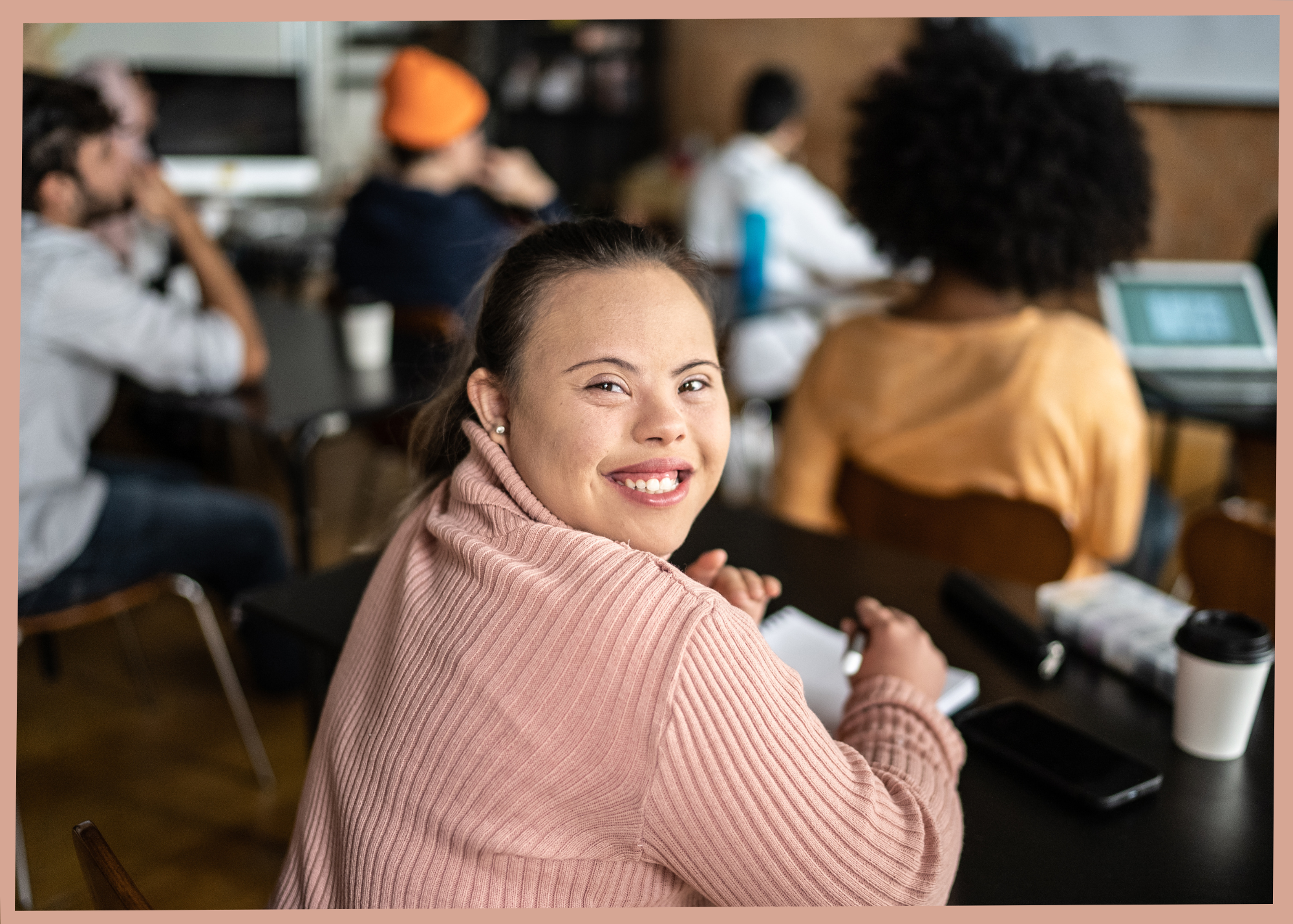
Empowering students with Down Syndrome requires a personalised approach to their education. Recognizing and capitalising on their unique abilities and interests allows teachers to tailor their instruction to meet the specific needs of each student. Individualised education plans provide a roadmap for academic and personal growth, outlining goals, strategies, and accommodations to support the student’s progress.
An essential aspect of individualised education for students with Down Syndrome is providing opportunities for independence and self-advocacy. Promoting self-determination skills, such as decision-making and problem-solving, empowers students to actively participate in their own learning journey. By fostering a supportive environment that encourages self-expression and autonomy, teachers can equip students with the tools they need to navigate challenges and thrive academically and socially.
Beyond the classroom, it is crucial to offer students with Down Syndrome opportunities to explore their unique talents and interests. Engaging in extracurricular activities, clubs, or community programs tailored to their abilities can boost their self-confidence, promote social integration, and expand their horizons. Encouraging a well-rounded education that encompasses both academic and non-academic pursuits enables students to develop their full potential and embrace their individuality.
By embracing a collaborative approach that involves parents, caregivers, and the individualised education and opportunities outlined above, we can create an inclusive and empowering environment for students with Down Syndrome. This collaborative effort not only enriches the educational experience but also nurtures a sense of belonging and acceptance within the classroom.
TOGETHER WE CAN MAKE A DIFFERENCE
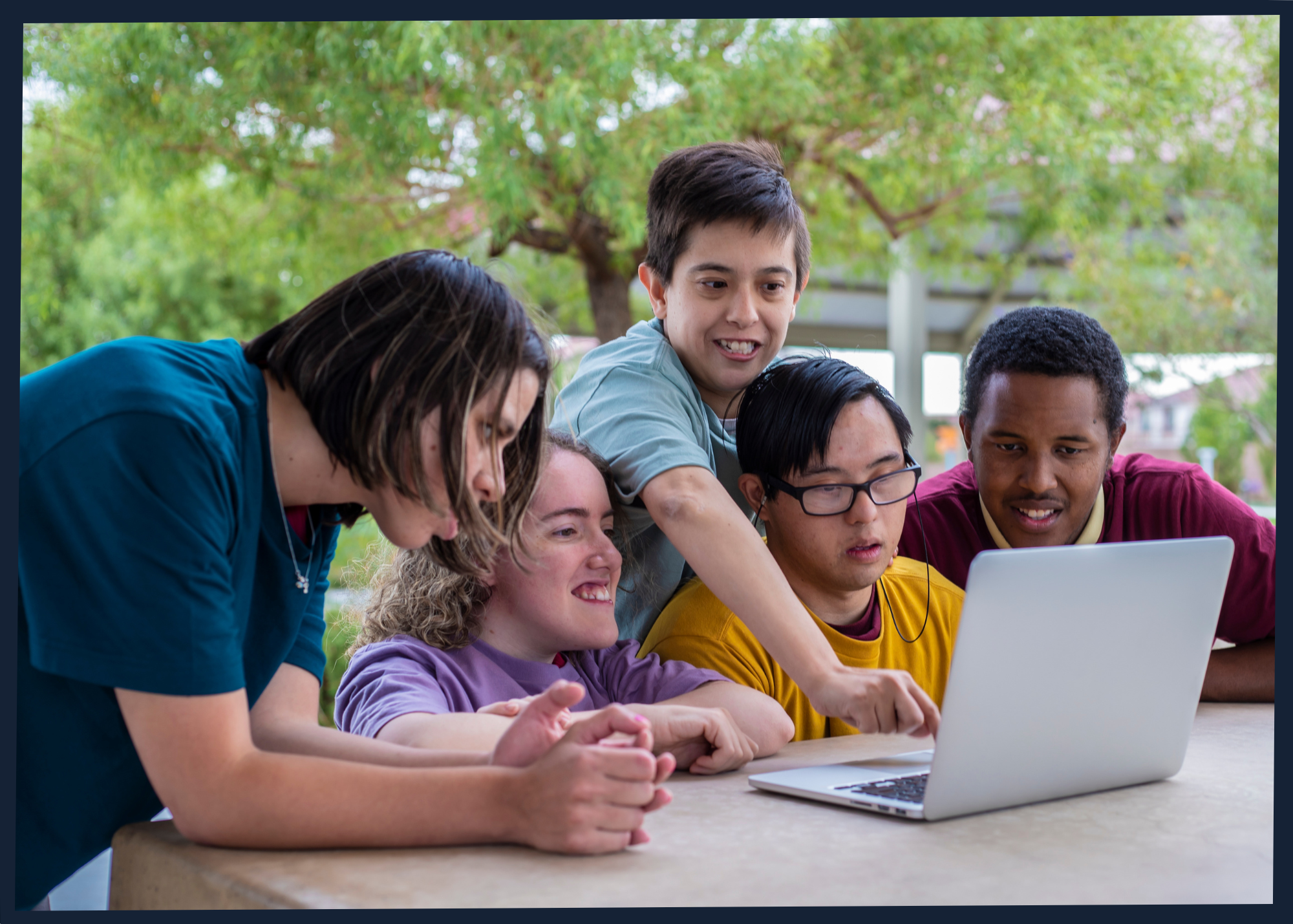
By embracing a collaborative approach that involves parents, caregivers, and the individualised education and opportunities outlined above, we can create an inclusive and empowering environment for students with Down Syndrome. This collaborative effort not only enriches the educational experience but also nurtures a sense of belonging and acceptance within the classroom. Together, we can make a difference by advocating for inclusion, celebrating diversity, and empowering students with Down Syndrome to achieve their full potential.
When students with Down Syndrome are given the support and resources they need, they can thrive academically, socially, and emotionally. Beyond the classroom, it is crucial to offer them opportunities to explore their unique talents and interests. Engaging in extracurricular activities, clubs, or community programs tailored to their abilities can boost their self-confidence, promote social integration, and expand their horizons. Encouraging a well-rounded education that encompasses both academic and non-academic pursuits enables students to develop their full potential and embrace their individuality.
Inclusion and diversity should not be limited to a checkbox exercise but should be an integral part of every educational institution’s culture. By fostering an environment where students with Down Syndrome are valued and included, we send a powerful message of acceptance and equality. It is important to recognize that inclusion is not the responsibility of a single individual or entity, but rather a collective effort. Teachers, administrators, parents, and the community must come together to create an inclusive atmosphere where every student feels seen, heard, and supported.
Through education and awareness, we can break down barriers and challenge stereotypes associated with Down Syndrome. It is essential to educate both students and educators about the condition, fostering empathy, understanding, and a mindset of acceptance. By promoting inclusive practices in the classroom, we equip students with the tools they need to navigate a diverse society and develop lifelong skills of empathy, respect, and teamwork.

Creating an inclusive and accepting classroom environment for students with Down Syndrome is not just a noble goal, but a necessary one. By understanding the importance of inclusion, embracing differences, and implementing proven strategies, educators can empower these students to thrive both academically and personally.
Together, we can make a difference by promoting acceptance, celebrating diversity, and ensuring equal opportunities for every student to learn and grow. As we foster a culture of inclusivity, let us remember that the true measure of a society lies in how it treats its most vulnerable members. Let’s strive for a future where every student, regardless of their abilities, feels valued, supported, and included. As Helen Keller once said, “Alone we can do so little; together we can do so much.”
ENJOYED THIS? HERE ARE SOME OTHER BLOG POSTS ON KATIE IS A TEACHER YOU MAY LIKE:



WANT EVEN MORE? HERE ARE SOME KATIE IS A TEACHER RESOURCES YOU MAY BE INTERESTED IN:



 katieisateacher.com