

Imagine a classroom where every student is empowered to excel, regardless of their cognitive abilities. In this post, we delve into the power of personalised learning in unlocking the full potential of students with cognitive disabilities.
From understanding the unique challenges these students face to implementing tailored lesson plans and creating inclusive environments, we explore how teachers can make a difference in the lives of these learners. Join us on this journey to discover how personalised learning can pave the way for academic and social success for all students.

UNDERSTANDING INTELLECTUAL DISABILITIES
To truly harness the power of personalised learning for students with intellectual disabilities, it is essential to first have a deep understanding of the nature of these disabilities and how they can impact learning experiences.
Intellectual disabilities refer to a condition characterised by significant limitations in intellectual functioning and adaptive behaviours. These limitations typically manifest during the developmental period, before the age of 18. Intellectual disabilities are lifelong conditions that vary in severity and can affect various aspects of a person’s life, including communication, learning, social skills, and daily living skills.
Individuals with intellectual disabilities have limitations in intellectual functioning, which includes reasoning, problem-solving, planning, abstract thinking, judgement, academic learning, and learning from experience. The degree of impairment can range from mild to profound.
Adaptive behaviours refer to the collection of skills necessary for independent daily functioning. These skills include communication, self-care (such as dressing, eating, and so on), social skills (such as understanding and following social rules), and using community resources effectively. Intellectual disabilities often involve challenges in one or more areas of adaptive behaviour.
Intellectual disabilities are typically diagnosed in childhood or adolescence based on standardised assessments of intellectual functioning (IQ testing) and adaptive behaviour. The diagnosis considers the individual’s developmental stage and takes into account cultural and linguistic factors. Intellectual disabilities can significantly impact an individual’s educational achievements, employment opportunities, social relationships, and overall quality of life. The level of support needed varies depending on the severity of the disability.
BENEFITS OF PERSONALISED LEARNING
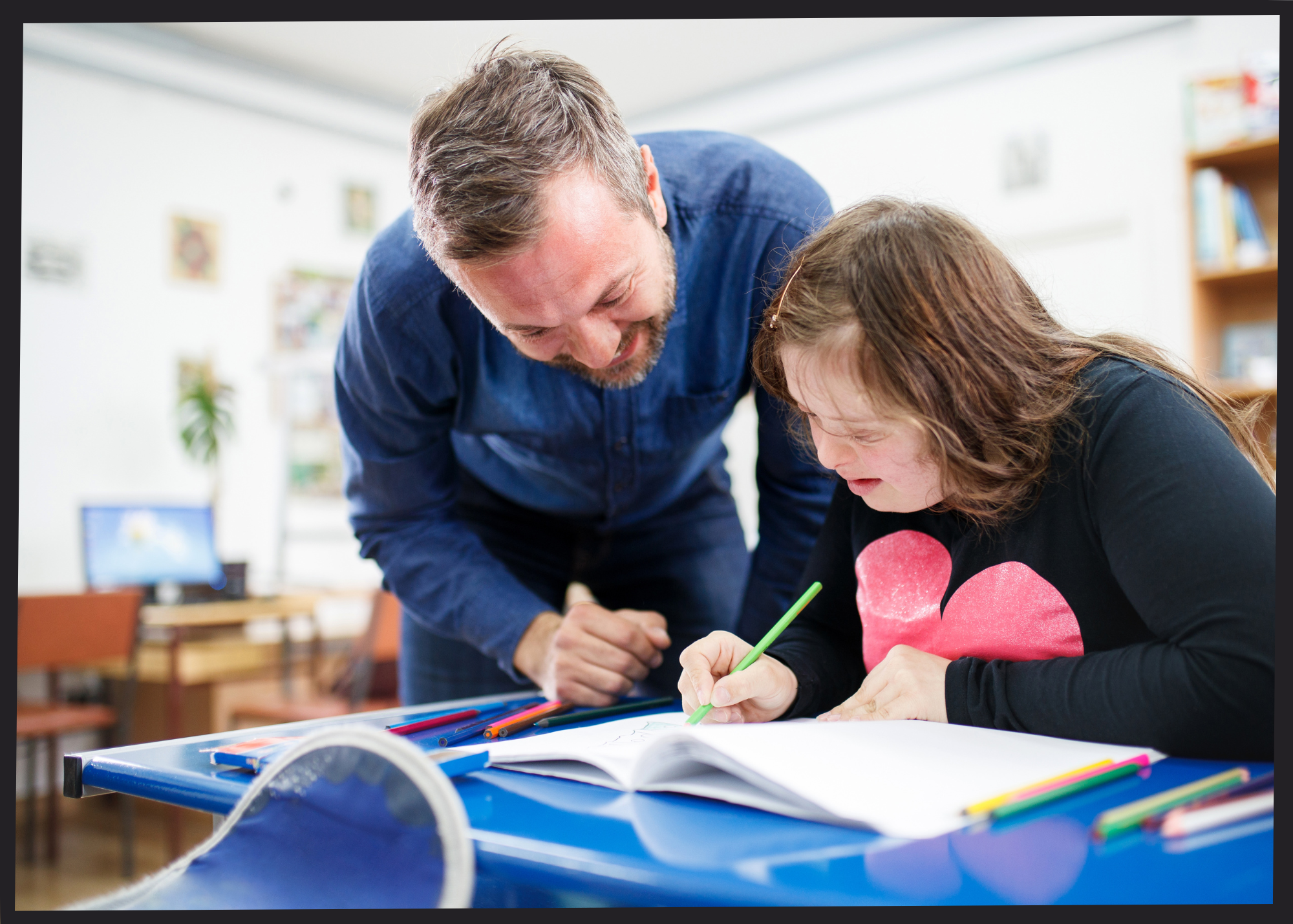
Personalised learning for students with intellectual disabilities offers a wide range of benefits that can significantly improve their educational experience. By tailoring lessons to their individual needs and learning styles, students are better able to engage with the material and make meaningful connections.
This personalised approach helps build confidence and self-esteem, as students see their abilities and strengths recognised and supported. Additionally, personalised learning allows for greater flexibility in pacing and content, ensuring that students can progress at their own rate and focus on areas where they may need extra support.
Always begin by assessing and getting to know your students to see where their strengths and weaknesses lie. From here, you can work with the student, their parent(s)/guardian(s), school staff, and other supports to create goals and a plan to meet their needs. Knowing what they need to learn and which strategies and tools work best for them is the jumping off point for personalising learning to support students with intellectual disabilities.
Overall, personalised learning offers a more inclusive and empowering educational environment for students with cognitive disabilities. Implementing tailored lesson plans that cater to their specific needs and abilities is essential for maximising the benefits of personalised learning.

IMPLEMENTING TAILORED LESSON PLANS
As mentioned above, to effectively implement tailored lesson plans for students with intellectual disabilities, teachers must first assess the individual needs and learning styles of each student. This may include conducting assessments, observing student performance, and seeking input from parents or caregivers.
Once these needs are identified, educators can develop lesson plans that are customised to meet each student’s unique requirements. By focusing on individual strengths and challenges, teachers can create a learning experience that is engaging, relevant, and effective for students with cognitive disabilities. Providing tailored lesson plans paves the way for a more personalised and inclusive educational environment that empowers students to reach their full potential.
Next, we’ll discuss how providing individualised support to students with cognitive disabilities further enhances the benefits of personalised learning.

PROVIDING INDIVIDUALISED SUPPORT
Providing individualised support may include one-on-one tutoring, assistive technology, modified assignments, and accommodations to address specific learning needs. By offering personalised support, teachers can create a supportive and inclusive learning environment that allows students with cognitive disabilities to thrive.
By having an individualised plan for students with intellectual disabilities, you can seek information from past years about what works well and what does not, while also adding as the student grows and finds success. Individualised supports will vary based on each student, but may include such things as utilising calculators, using speech-to-text and text to speech software, having a scribe, requiring set breaks, use of a personal visual schedule, and so on.
Make sure you provide enough time with each strategy and tool to see if the student finds success with it. As you work more with your students, you will begin to see which tools work best for them and which are not as useful. This individualised approach sets the foundation for creating a truly inclusive educational experience for all students, regardless of their cognitive abilities.

CREATING INCLUSIVE LEARNING ENVIRONMENTS
Inclusive learning environments are essential for empowering students with cognitive disabilities to succeed. By creating a space where every student feels supported, valued, and included, educators can foster a sense of belonging and promote positive learning outcomes.
Inclusive classrooms provide opportunities for collaboration, peer support, and individualised instruction that cater to the unique needs of each student. By embracing diversity and fostering an environment of acceptance, teachers can ensure that all students, regardless of their cognitive abilities, have the chance to reach their full potential. This inclusive approach not only benefits students with cognitive disabilities but also enriches the educational experience for every student in the classroom.
Creating a supportive and inclusive classroom environment is key to empowering students for success. Building a culture of respect, understanding, and collaboration not only benefits students with cognitive disabilities but also enhances the overall learning experience for everyone. By fostering a sense of belonging and acceptance, educators can create a safe space where all students feel valued and supported.
Empowering students for success means providing them with the tools, resources, and support they need to thrive in a supportive and inclusive learning environment.

EMPOWERING STUDENTS FOR SUCCESS
Empowering students for success involves more than simply providing academic instruction. It also requires a holistic approach that takes into account the individual strengths, challenges, and goals of each student. By tailoring teaching methods to suit the unique learning styles of students with cognitive disabilities, teachers can help them build confidence, develop essential skills, and achieve their academic potential.
Empowering students for success involves providing access to the necessary resources and support systems. Whether it’s assistive technology, additional tutoring, or emotional guidance, every student should have the tools they need to overcome obstacles and thrive academically. By equipping students with the means to address their unique challenges, teachers can help them navigate their educational journey with confidence and determination.
In essence, empowering students for success is about recognizing and nurturing the potential in every individual. By creating a supportive, inclusive, and resource-rich learning environment, educators can help students with cognitive disabilities unlock their abilities and achieve their goals. Ultimately, by empowering students for success, educators are not only shaping the future of these students but also fostering a culture of inclusivity and empowerment in the broader educational community.

In conclusion, personalised learning is a powerful tool that can unlock the full potential of students with intellectual disabilities. By tailoring lesson plans, providing individualised support, and creating inclusive environments, educators can empower these students to thrive academically and socially.
Let’s work together to create a more inclusive and supportive learning environment for all students – because when we empower every student, we all succeed. Remember, as Nelson Mandela once said, “Education is the most powerful weapon which you can use to change the world.” Let’s start changing the world one student at a time.
ENJOYED THIS? HERE ARE SOME OTHER BLOG POSTS ON KATIE IS A TEACHER YOU MAY LIKE:


WANT EVEN MORE? HERE ARE SOME KATIE IS A TEACHER RESOURCES YOU MAY BE INTERESTED IN:



 katieisateacher.com