

Are you struggling to make grammar lessons engaging for your junior high students? Look no further! If you’re a teacher looking to help your junior high students master the basics of grammar, you’re in luck.
Teaching grammar to junior high students doesn’t have to be a daunting task. With a few simple strategies, you can help your students become adept grammarians in no time. I’ve written before about teaching grammar to elementary students and to high school students, today let’s jump right into the middle and chat about teaching to our junior high/middle school students.
In this post, we will explore innovative strategies that will not only make learning grammar fun but also effective for your students. From interactive games to real-world examples, I’ve got you covered. Get ready to see improved grammar skills and increased engagement in your classroom!

INTERACTIVE GAMES FOR GRAMMAR PRACTICE
To enhance grammar learning for junior high students, incorporating interactive games can be an effective way to make lessons engaging and memorable. By turning grammar practice into a fun and interactive experience, students are more likely to retain the information and apply it in their writing.
Games like grammar bingo, grammar jeopardy, or grammar scavenger hunts can add an element of excitement to the learning process, keeping students motivated and eager to participate. These interactive activities not only reinforce grammar rules but also encourage teamwork and critical thinking skills among students.
Remember to make your games and lessons fun! No one loves sitting through a long lesson on grammar rules, so make your grammar lessons engaging. Use these games and other interactive activities to help your students learn. Not only will they have more fun, but they’ll also be more engaged and likely to retain the information.
Next, we’ll discuss how to utilise real-world examples to build junior high students’ grammar skills.

UTILISING REAL-WORLD EXAMPLES
Transitioning to utilising real-world examples, you can bring relevance and practicality to grammar lessons by showing students how grammar is used in everyday scenarios. By tying grammar concepts to real-life situations, students can see the importance of grammar in communication and writing.
For example, you can analyse advertisements, social media posts, or news articles to illustrate how proper grammar enhances clarity and credibility. This hands-on approach helps students understand the impact of grammar in their daily lives, making the learning experience more meaningful.
When doing this, start small and focus on the basics before going deeper. Focus on the fundamentals such as parts of speech, sentence structure, and punctuation. Once your students have a strong foundation, you can move on to more advanced topics such as verb tense and parallel structure.
Next, we will explore how incorporating technology in grammar lessons can help support your students.

INCORPORATING TECHNOLOGY IN GRAMMAR LESSONS
Incorporating technology in grammar lessons can help to build student engagement and learning outcomes. By integrating digital tools and platforms such as grammar-checking software, interactive games, or online writing exercises, teachers can create dynamic and interactive experiences for students.
Technology not only makes grammar lessons more engaging but also provides instant feedback and customization to meet individual learning needs. By leveraging technology in grammar instruction, educators can cater to different learning styles and empower students to take ownership of their learning.
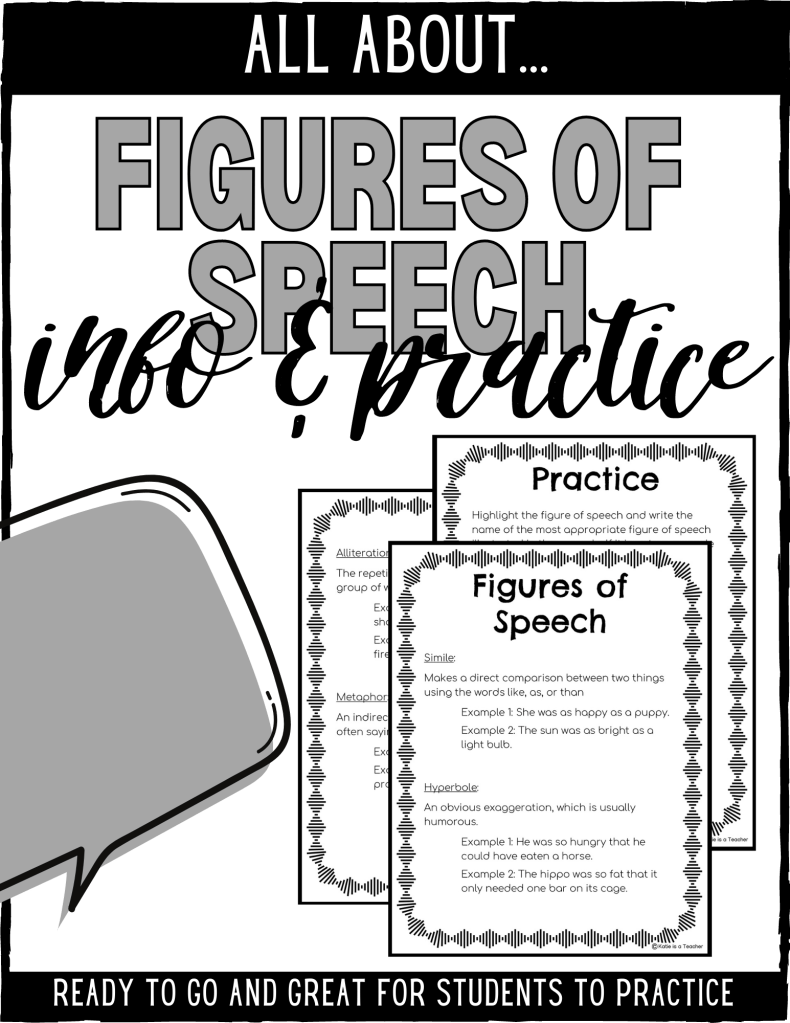
Along with technology, also ensure that you use visuals when teaching grammar to junior high students. Visuals can be incredibly helpful when teaching grammar. Hang posters in the classroom, draw diagrams, and use graphic organisers to illustrate complicated grammar concepts. This will make it easier for your students to understand the material, and when they’re working independently on technology, they can refer to visuals around the room to help support them if they get stuck.
This sets the stage for fostering collaborative learning and peer editing, which we’ll explore next.

PEER EDITING AND COLLABORATIVE LEARNING
Peer editing and collaborative learning are essential components of a comprehensive grammar instruction. Not only do these methods provide students with the opportunity to engage with their peers and receive constructive feedback, but they also promote a deeper understanding of grammar concepts.
Through peer editing, students can learn from one another, gain new perspectives, and refine their writing skills. Collaborative learning activities, such as group projects or interactive exercises, can further enhance students’ grasp of grammar rules and principles.
By working together, students can reinforce their understanding of grammar concepts and practice applying them in real-world scenarios. These collaborative experiences help students develop essential communication and teamwork skills that are valuable both inside and outside the classroom.
Ensure when students are working together that you provide them with plenty of practice. The key to mastering grammar is practice. Provide your students with plenty of opportunities to practise their grammar skills. Also make sure that you are offering them consistent feedback. Like practice time, regular feedback is essential when teaching grammar. Make sure to review your students’ work and provide constructive criticism. Point out their mistakes and explain why they’re incorrect. This will help your students learn from their mistakes and improve their grammar skills.
This collaborative and interactive approach sets the stage for the next section on grammar through music and multimedia, where we will explore creative ways to incorporate grammar lessons through engaging and innovative means.

GRAMMAR THROUGH MUSIC AND MULTIMEDIA
Incorporating music and multimedia into grammar lessons can make learning more engaging and enjoyable for junior high students. By using songs, videos, and interactive online platforms, educators can help students better understand grammar concepts in a fun and creative way.
Music can be used to teach parts of speech, sentence structure, and punctuation rules through catchy tunes and memorable lyrics. Multimedia resources, such as educational videos and interactive grammar games, can also enhance students’ learning experience by providing visual aids and hands-on activities.
By integrating music and multimedia into grammar instruction, teachers can make the lessons more dynamic and impactful.

With these simple tips, you can help your junior high students master the basics of grammar. By making your lessons fun, focusing on the basics, using visuals, providing plenty of practice, and offering feedback, you can help your students become proficient grammarians.
By making grammar fun and engaging, students will not only retain information better but also show improved skills and increased engagement in the classroom. So, why wait? Implement these strategies today and watch your students soar to new levels of grammar mastery.
Remember, learning should never be a bore – it should be an adventure! As Albert Einstein once said, “The only source of knowledge is experience.” Let’s give our students the experience they need to succeed.
ENJOYED THIS? HERE ARE SOME OTHER BLOG POSTS ON KATIE IS A TEACHER YOU MAY LIKE:



WANT EVEN MORE? HERE ARE SOME KATIE IS A TEACHER RESOURCES YOU MAY BE INTERESTED IN:



 katieisateacher.com