
Do you find yourself stuck in a rut with your word work lessons, desperately seeking ways to inject some life into your vocabulary instruction? Look no further! In this post, we will explore game-changing tips to revolutionise your teaching approach and keep your students engaged and eager to learn.
From interactive word games to personalised word lists, these innovative techniques will transform your word work lessons and create a dynamic learning environment like never before. Get ready to say goodbye to outdated teaching methods and hello to a new era of interactive and engaging vocabulary instruction.
Let’s dive in and discover how you can take your word work lessons to the next level!
INTERACTIVE WORD GAMES FOR ENGAGEMENT
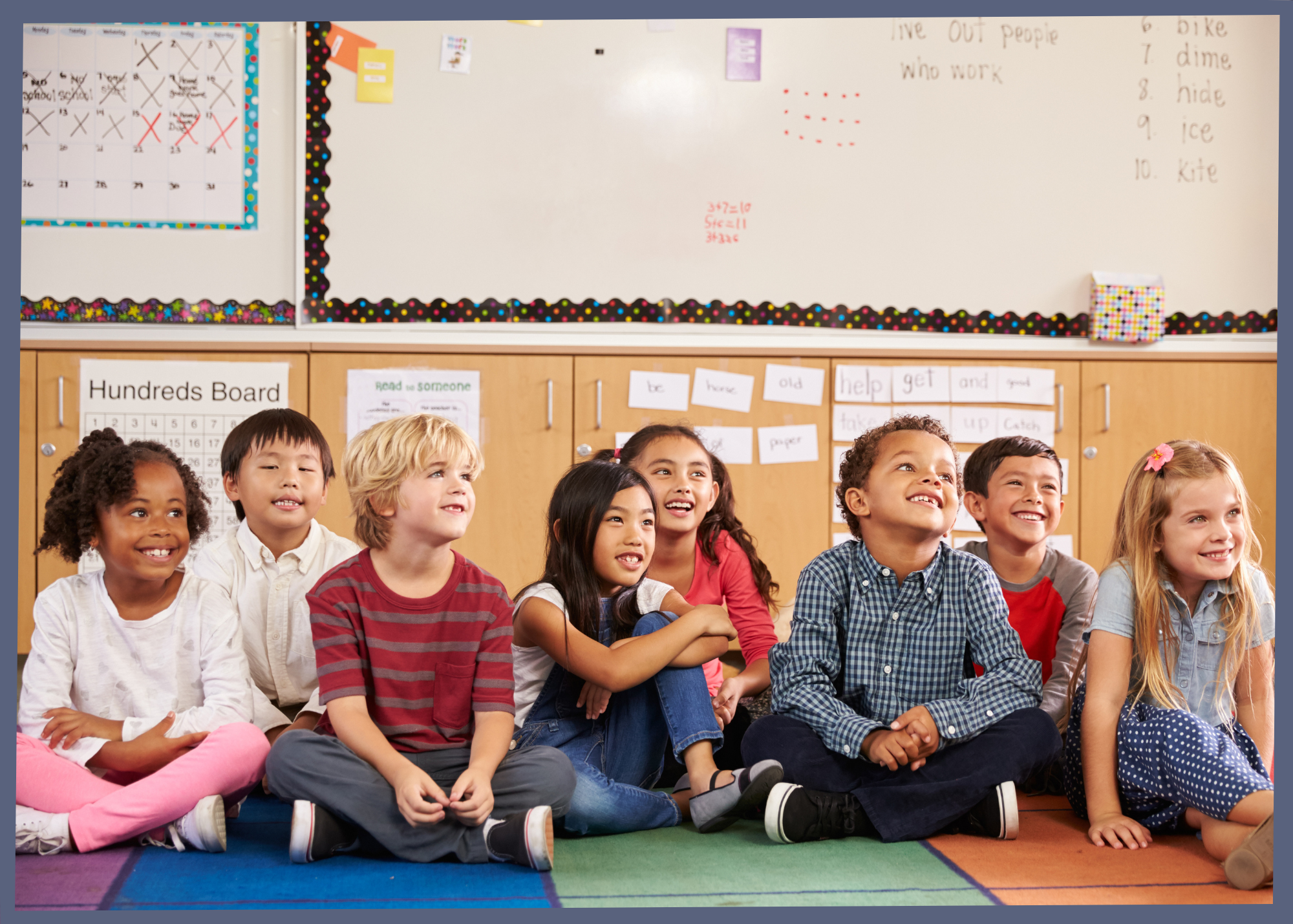
To further enhance student engagement and learning outcomes, incorporating games into your word work lessons can be a game-changer. By leveraging interactive word games and online resources, you can create a dynamic and immersive learning experience that empowers students to actively participate and expand their vocabulary skills.
Games are an excellent tool because there are so many ways to participate in them. You can play games with small groups yourself, have students play independent games, or have them work in partners or small groups. Once students know various games, they can play them independently during centre time or for a fun activity on a Friday afternoon!
Coming up, let’s explore how you can seamlessly integrate technology to revolutionise your word work lessons.

INCORPORATING TECHNOLOGY FOR ENHANCED LEARNING
One effective way to incorporate technology into your word work lessons is by utilising online platforms and tools that offer interactive games and activities. These resources provide a fun and engaging way for students to practise word work skills while also receiving immediate feedback on their progress.
There are a lot of free and paid apps and online learning platforms that can help support students with word work. Many school districts buy programs at an extreme discount for all students, so these can be great options to integrate into your classes.
By incorporating technology in this way, you can create a more personalised and interactive learning experience that caters to individual student needs, setting the stage for implementing personalised word lists for further individualised instruction.

PERSONALISED WORD LISTS FOR INDIVIDUALISED INSTRUCTION
To further tailor your word work lessons to the specific needs of your students, consider creating personalised word lists for individualised instruction. By assessing each student’s current skill level and areas for growth, you can curate word lists that target their unique challenges and help them make progress at their own pace.
When I taught a special education class of students with Learning Disabilities, I had them choose their words to focus on each week. I know what you’re thinking, but they knew that I graded based on individual growth and that I wanted them to challenge themselves, so they didn’t always just choose words like “in”, “and”, “a”, or “on”. We would meet at the end of each week to chat about their personal goals and they would choose words for the following week. This personalised approach can boost student engagement and motivation, leading to more effective learning outcomes.
Next, let’s chat about how hands-on activities for kinesthetic learners can be a great way to supplement this individualised instruction and cater to different learning styles in your classroom.

HANDS-ON ACTIVITIES FOR KINESTHETIC LEARNERS
Hands-on activities for kinesthetic learners can be a great way to supplement this individualised instruction and cater to different learning styles in your classroom. Kinesthetic learners thrive on hands-on activities that engage their sense of touch and movement.
Incorporating activities such as building words with magnetic letters, tracing words in sand or shaving cream, or using manipulatives such as letter blocks can help these students better understand and retain word work concepts. Plus, they’re tons of fun to do!
By providing opportunities for physical interaction with words, you can create a more dynamic and engaging learning experience for kinesthetic learners in your classroom. This leads to a more fun learning experience as well as better retention.

Incorporating interactive word games, technology, personalised word lists, and hands-on activities into your word work lessons can truly transform your teaching approach and engage students like never before. Embrace these innovative techniques to create a dynamic and inspiring learning environment that will ignite your students’ passion for vocabulary and spelling.
Say goodbye to traditional teaching methods and hello to a new era of engaging instruction. Take action today and watch your students’ enthusiasm for learning soar to new heights. As the saying goes, “The art of teaching is the art of assisting discovery.” So, let the revolution begin in your classroom!
ENJOYED THIS? HERE ARE SOME OTHER BLOG POSTS ON KATIE IS A TEACHER YOU MAY LIKE:


WANT EVEN MORE? HERE ARE SOME KATIE IS A TEACHER RESOURCES YOU MAY BE INTERESTED IN:


 katieisateacher.com