

Are you a teacher feeling overwhelmed by the demands of your job and struggling to find balance in your life? You’re not alone. Teaching is a rewarding but demanding profession that often leaves little room for personal time and self-care.
Having work-life balance as a teacher can be challenging, but it is important to maintain your well-being. In this post, we will explore 10 essential work-life balance tips specifically tailored for teachers to help you prioritise your well-being and create a more sustainable lifestyle.
From setting boundaries to practising mindfulness, these tips will empower you to take control of your time and energy, ultimately enhancing your overall well-being and ability to support your students effectively. Let’s dive in and discover the key to achieving a healthier work-life balance as a teacher.

PRIORITISE SELF-CARE
One crucial aspect of maintaining a healthy work-life balance as a teacher is to prioritise self-care. It’s easy to get caught up in the demands of lesson planning, grading, and supporting students, but neglecting your own well-being can lead to burnout and decreased job satisfaction.
By making time for activities that recharge you, such as exercise, hobbies, or spending time with friends and family, you can ensure that you have the energy and mental clarity to excel in your teaching role. It can be difficult to look at a packed schedule and then add something for yourself, so ensure you put self-care in first and plan around it.
Remember, taking care of yourself is not selfish – it’s necessary for you to be able to give your best to your students. We’ve all heard the saying that you cannot pour from an empty cup, so ensure you’re taking care of yourself first so that you can extend that care to others.
Next we will discuss setting boundaries.

SET BOUNDARIES
Another important aspect of maintaining work-life balance as a teacher is setting boundaries. It’s easy to feel like you need to be available 24/7 for your students, their families, and your colleagues, but establishing clear boundaries is essential for your well-being.
Whether it’s setting specific office hours, limiting how often you check emails outside of work, or learning to say no to extra commitments, creating boundaries helps you carve out time for yourself and recharge. Make sure that the boundaries you set are realistic for both work and personal time. For example, you could designate specific times for grading papers or answering emails, and then make sure to step away from work when you’re not working.
By setting (and reinforcing) realistic boundaries, you can ensure that you have the necessary time and energy to be fully present and effective in both your professional and personal life.
Next we will discuss organising your schedule.
ORGANISE YOUR SCHEDULE
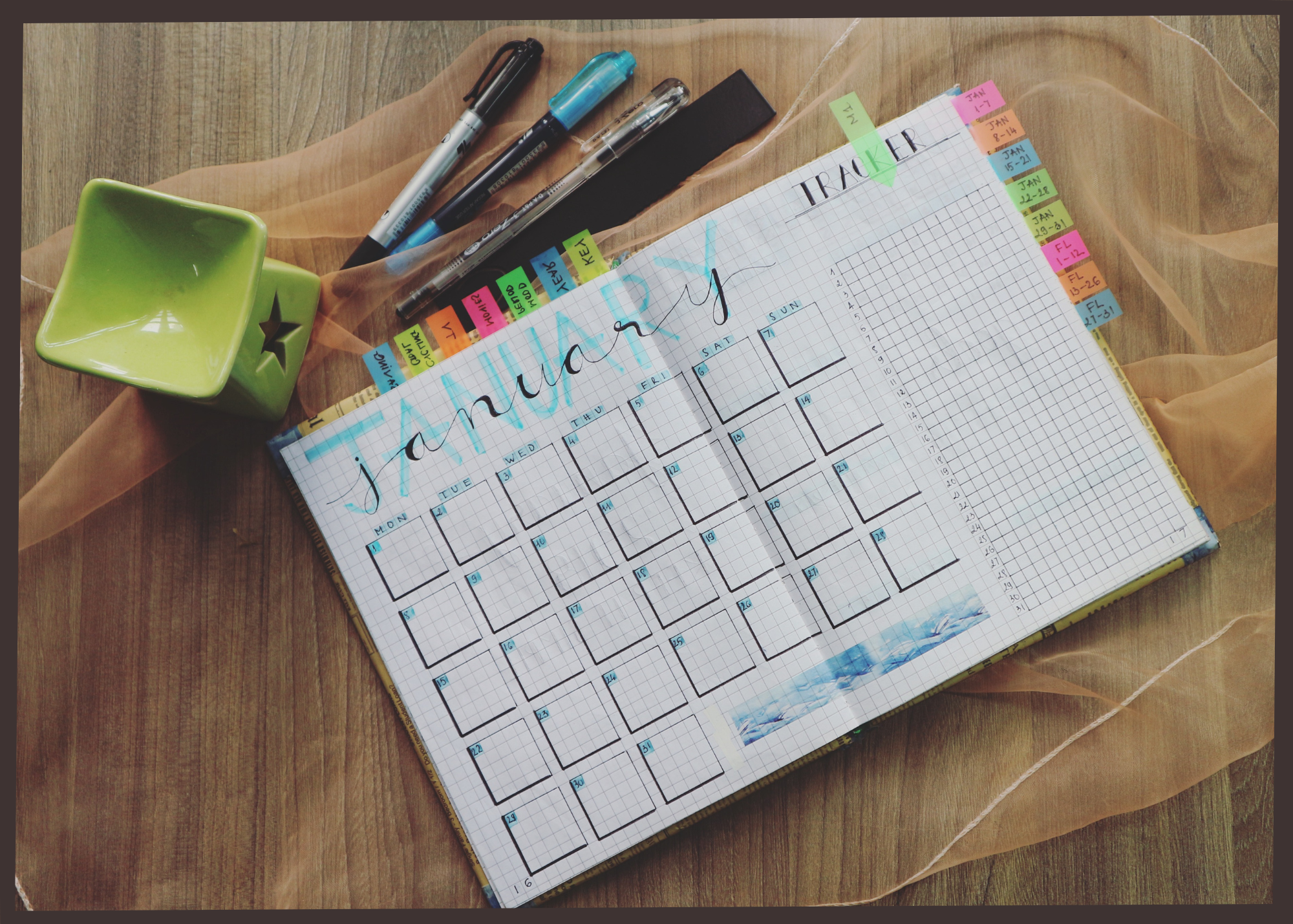
Finding the right balance between work and personal time starts with organising your schedule effectively. Start by creating a weekly or monthly schedule that includes dedicated time for work, personal obligations, and self-care activities.
Prioritise your most important tasks and allocate time blocks for each, ensuring that you have a clear plan for your day. Ensure that you plan your time effectively and prioritise tasks to reduce stress. Make a to-do list, use a planner, and keep your workspace organised. By organising your schedule in this way, you can proactively manage your time and reduce the likelihood of feeling overwhelmed by competing priorities.
When organising, think of how you can also use technology to your advantage. Utilise technology to streamline your work and make it more manageable. For example, you could use a scheduling app to keep track of your schedule or a to-do list app to keep track of tasks.
Next we will discuss delegating tasks.

DELEGATE TASKS
Once you have a clear schedule in place, consider delegating tasks when possible to lighten your workload and free up more time for yourself. By entrusting certain responsibilities to others, you can focus on the most important aspects of your job and create space for personal activities.
You can delegate to others even if you are not an administrator. Some of this may be things you can delegate to students and which they’ll enjoy doing, such as ensuring technology is plugged in at the end of the day or writing the schedule on the board at the start of each day. Other things, you can ask colleagues if they’re able to help out on or take the lead on. For example, if you and another teacher are coaching a team together, ask if you can split practices, or one of you can send paperwork into the district while the other is in charge of ordering new uniforms.
Don’t take on everything yourself, and don’t feel guilty for delegating to others. Remember, it’s okay to ask for help and share the workload to achieve a better work-life balance.
Next, we will discuss practising mindfulness.

PRACTICE MINDFULNESS
Start incorporating mindfulness techniques into your daily routine to help reduce stress and improve focus. This can look like a meditation practice, journaling, or practising gratitude each day. I’ve discussed why teachers should incorporate gratitude into their days, and the benefits are massive.
By taking the time to centre yourself and be present in the moment, you can enhance your overall well-being and productivity. This sense of mindfulness can also help you disconnect from work and fully enjoy your personal time. The positive benefits of this will not only benefit you, but also your teaching and your students.
Up next we’ll talk about how to disconnect from work.

DISCONNECT FROM WORK
After a long day of teaching and engaging with students, it can be difficult to switch off from work mode and truly disconnect. It’s important to establish boundaries between work and personal time in order to avoid burnout and maintain a healthy work-life balance.
By setting specific times to check and respond to work-related emails, messages, and tasks, you can create a clear separation between your professional responsibilities and personal life. This intentional disconnection from work will allow you to fully unwind and recharge, making it easier to prioritise self-care and relaxation.
This shift in mindset can pave the way for a more fulfilling and balanced lifestyle, enhancing your overall well-being and job satisfaction. During lockdown, I took my work email off of my phone to help disconnect and separate work from home, and it was the best thing I’ve done; I still haven’t reconnected all these years later.
Remember that it’s also important to take time off when you need it. Take regular breaks, use your paid time off, and make sure to take care of yourself both physically and mentally. When you have a scheduled break, make sure you are actually resting and rejuvenating so that you can mentally and physically care for yourself.
Next, we’ll discuss how to create “me-time”.

CREATE ME-TIME
Setting aside dedicated me-time is crucial for teachers to recharge and rejuvenate after a busy day in the classroom. It’s important to prioritise activities that bring you joy and relaxation, whether it’s reading a book, taking a long bath, going for a walk, or simply spending time with loved ones.
By carving out this time for yourself, you’ll be better equipped to handle the demands of your job and maintain a healthy work-life balance. Once you’ve taken care of your own well-being, you’ll be more energised and focused, allowing you to give your best to your students each day.
Next we’ll talk about getting regular exercise.

GET REGULAR EXERCISE
Regular exercise is another essential component of self-care for teachers, providing both physical and mental benefits to help you thrive in and out of the classroom. Regular exercise is not just beneficial for your physical health, but it can also have a positive impact on your mental well-being.
As a teacher, dedicating time to exercise can help reduce stress, improve your mood, and increase your energy levels. Whether you prefer going for a run, attending a yoga class, or hitting the gym, finding an exercise routine that works for you is essential.
Incorporating regular physical activity into your schedule can help you feel more balanced and prepared to tackle the challenges of teaching. By taking care of your body and mind through exercise, you’ll be better equipped to handle the demands of your job and maintain a healthy work-life balance.
Up next we’ll talk about why it’s important to seek support from others.

SEEK SUPPORT FROM COLLEAGUES
Seeking support from colleagues can provide valuable insights and resources to help you navigate the ups and downs of teaching. As a teacher, seeking support from colleagues can be an invaluable resource in navigating the challenges of maintaining a healthy work-life balance.
Your fellow teachers can offer valuable insights, share best practices, and provide emotional support during tough times. By connecting with your colleagues, you can also build a network of support that can help you feel less isolated and more empowered in your teaching journey.
Whether it’s discussing classroom strategies, sharing workload tips, or simply venting frustrations, having a supportive community of peers can make a significant difference in how you manage your work and personal life. So, don’t hesitate to seek support from colleagues, friends, or family members. Talking to someone about your workload and stress can help you manage it better.
Next we’ll talk about reflecting and adjusting.
REFLECT AND ADJUST
It’s important to periodically reflect on your work-life balance and make adjustments as needed to ensure you are taking care of yourself both inside and outside of the classroom. Reflecting on your current work-life balance can provide valuable insight into areas that may need attention. Take time to evaluate how you feel about the balance between your professional responsibilities and personal well-being.
Are you able to dedicate enough time to self-care activities that recharge you? Do you find yourself constantly overwhelmed by work tasks without a chance to decompress? By honestly assessing your current situation, you can pinpoint areas where adjustments may be necessary to achieve a more sustainable balance.
Once you have reflected on your work-life balance, don’t hesitate to make necessary adjustments. This could involve setting boundaries with work hours, prioritising self-care activities, or delegating tasks to lighten your workload. Remember, it’s important to advocate for your own well-being in order to be the best teacher you can be.

By making small but impactful changes to your routine, you can create a more harmonious balance between work and personal life. Through regularly reflecting on your work-life balance and being proactive in making adjustments, you can cultivate a healthier and more sustainable lifestyle that benefits both you and your students. Taking care of yourself is not selfish – it’s essential for your overall well-being and success as a teacher.
Incorporating these 10 work-life balance tips into your daily routine as a teacher is not just about finding harmony between work and personal life—it’s about nurturing your own well-being so you can better support your students. Remember, self-care isn’t selfish; it’s a necessary investment in yourself and those you serve.
Keep in mind that having a work-life balance is a journey, and what works for one person may not work for another. Experiment with different strategies and find what works best for you. Now, start to take the first step toward a more balanced and fulfilling lifestyle today. As the saying goes, “You can’t pour from an empty cup.” Start filling yours.
ENJOYED THIS? HERE ARE SOME OTHER BLOG POSTS ON KATIE IS A TEACHER YOU MAY LIKE:



WANT EVEN MORE? HERE ARE SOME KATIE IS A TEACHER RESOURCES YOU MAY BE INTERESTED IN:


 katieisateacher.com