

Imagine a classroom where the teacher not only imparts knowledge but also connects on a deeper level with their students, understanding their emotions and needs. This is the power of emotional intelligence (EI) in teaching.
In this post, we will explore how enhancing your emotional intelligence can transform your teaching skills. From self-awareness to empathy and social skills, we will discuss practical strategies to create a more supportive and engaging learning environment for your students.
By prioritising emotional intelligence in your approach, you can see positive results in academic outcomes and student engagement. Let’s dive in and discover how to boost your teaching skills with emotional intelligence.
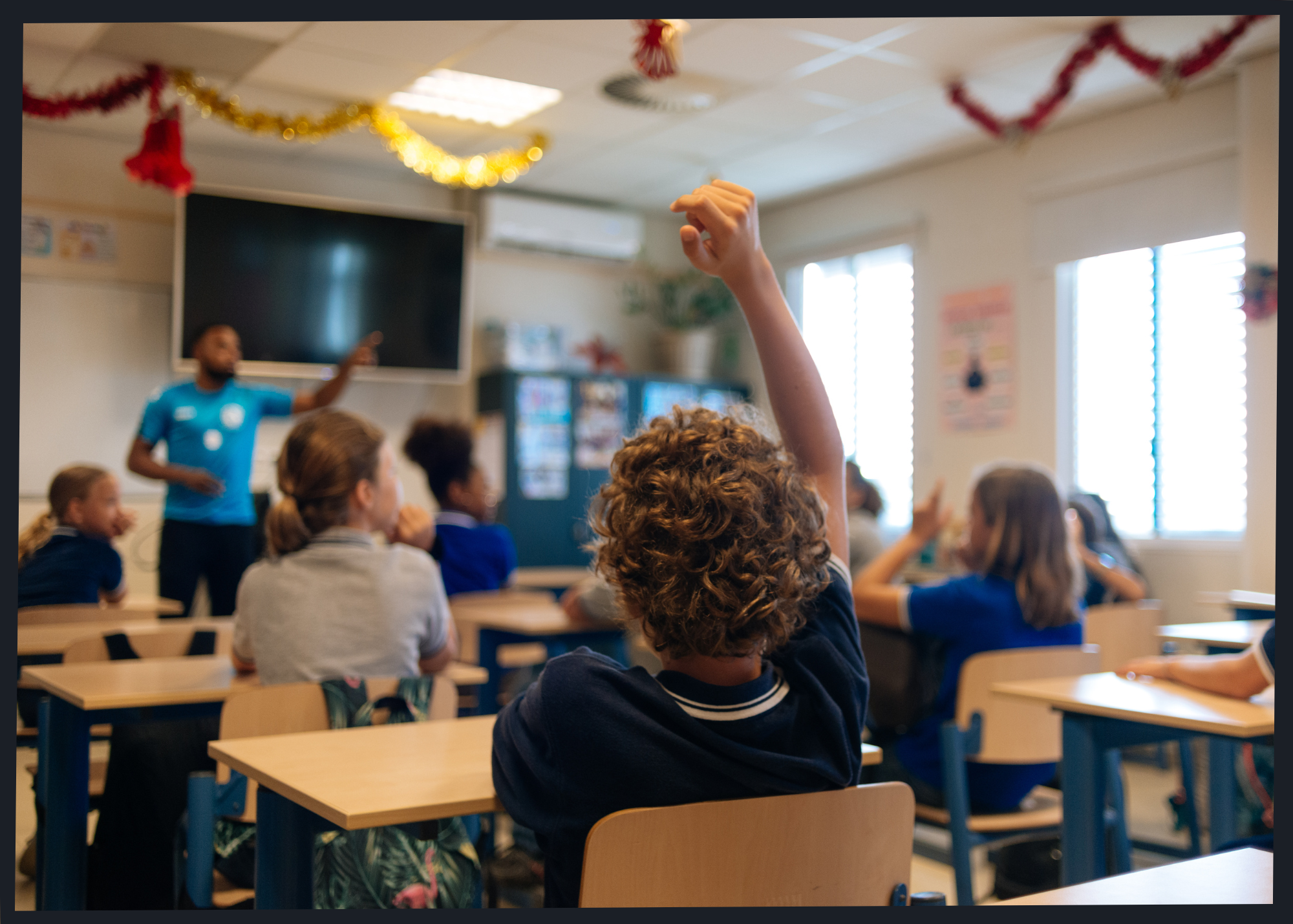
UNDERSTANDING EMOTIONAL INTELLIGENCE IN TEACHING
Enhancing your emotional intelligence as a teacher means more than just mastering the content of a lesson; it involves connecting with students on a deeper level, understanding their emotions, and addressing their unique needs.
In the context of teaching, emotional intelligence is crucial for several reasons. First, the classroom atmosphere. Teachers with high emotional intelligence can create a positive, supportive classroom environment. They understand students’ emotional needs and can foster a climate conducive to learning.
High EI also builds strong student relationships. Teachers who are empathetic can better connect with students, understanding their struggles and motivations. This helps in building trust and rapport. Teachers with strong EI also communicate more effectively, providing clear instructions and feedback that can be better understood and accepted by students.
Emotional intelligence is also important for conflict resolution. Effective management of emotions helps in resolving conflicts between students or between students and teachers constructively. Finally, stress management can be supported via emotional intelligence. Teachers often face stressful situations. High EI helps them cope better with stress and model resilience for students.
Developing self-awareness as a teacher is the first step towards cultivating emotional intelligence in the classroom.
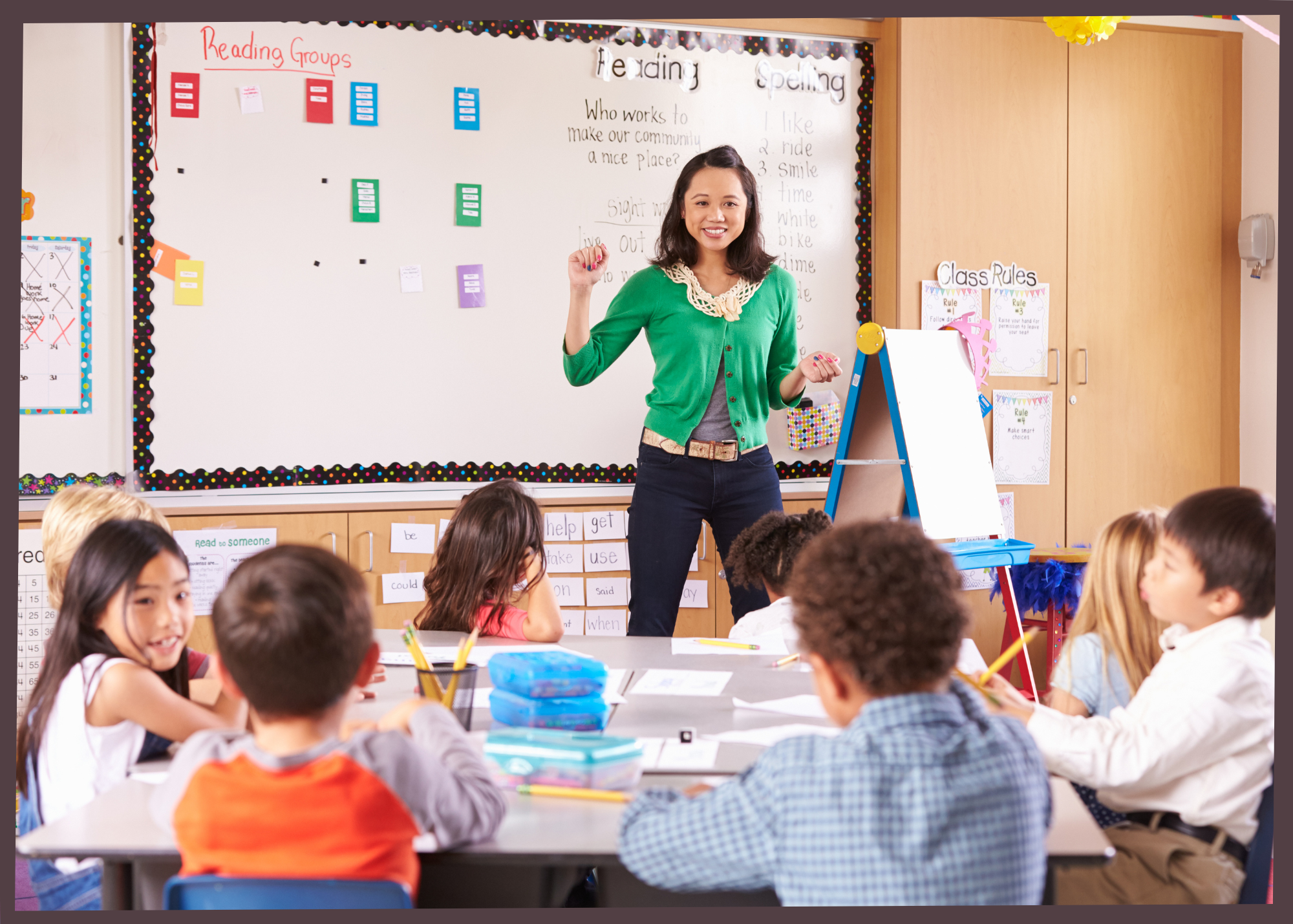
DEVELOPING SELF-AWARENESS AS A TEACHER
As teachers, developing self-awareness is essential in understanding our own emotions, reactions, and biases that can influence our interactions with students. By recognizing our own strengths and weaknesses, we can better adapt our teaching style to create a more inclusive and supportive learning environment.
Developing self awareness can help teachers further develop their self-regulation. This involves managing one’s emotions in healthy ways, maintaining control and adaptability, which is clearly a necessary skill to possess in the classroom.
As teachers begin to develop self-awareness, they can also develop empathy and social skills. This understanding and sharing the feelings of others will help in building relationships, managing conflict, and communicating effectively.
Overall, this self-awareness allows us to model emotional intelligence for our students and build stronger connections with them, setting the stage for practising empathy in the classroom.
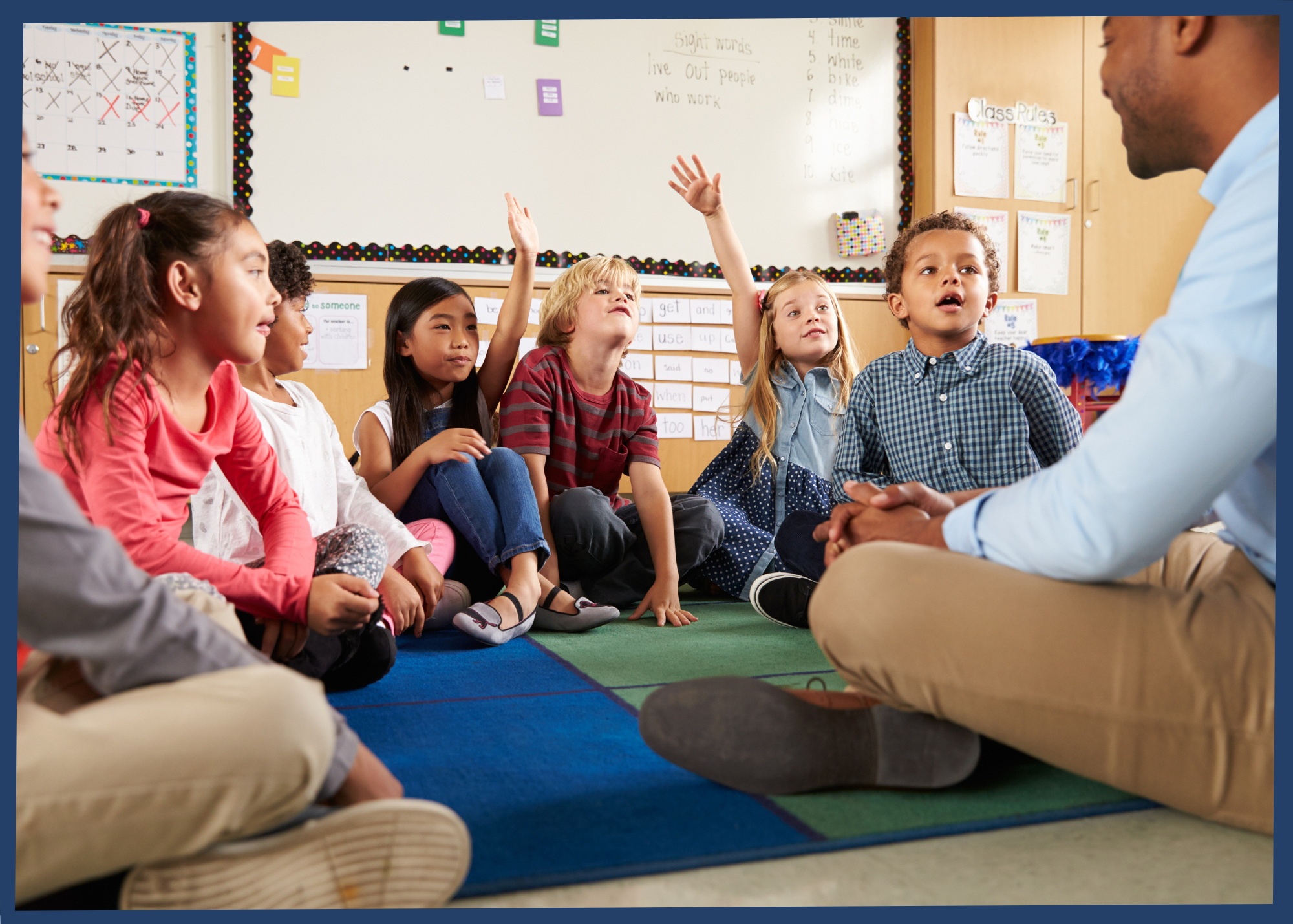
PRACTISING EMPATHY IN THE CLASSROOM
Incorporating empathy into our teaching practices means actively listening to our students, understanding their perspectives, and validating their emotions. When we practise empathy in the classroom, we create a safe space for students to express themselves authentically and feel supported in their learning journeys.
Always remember to pay attention to students’ verbal and non-verbal cues to understand their feelings and perspectives. Also provide encouragement and support, especially when students are struggling with academic or personal issues.
This level of empathy allows us to tailor our teaching methods to meet the diverse needs of our students, promoting a more enriching educational experience for everyone involved. Improving our ability to empathise with students ultimately leads to stronger relationships and increased engagement in the learning process.

IMPROVING SOCIAL SKILLS FOR BETTER STUDENT ENGAGEMENT
Improving social skills for better student engagement involves building upon our foundation of empathy and self-awareness. By honing our ability to connect with students on a personal level, we can create a more collaborative and interactive learning environment.
One way to enhance social skills is to actively seek feedback from students, encouraging open communication and fostering a sense of community within the classroom. Additionally, incorporating group activities and discussions can help students develop important social and emotional skills while also promoting active participation and engagement.
Improved social skills can help with conflict mediation. Use empathetic communication to mediate conflicts and guide students towards constructive solutions. Students learn and model emotional intelligence skills, improving their own social interactions and emotional well-being.
As we continue to prioritise social skills in our teaching practices, we strengthen our relationships with students and cultivate a more inclusive and supportive educational experience for all.
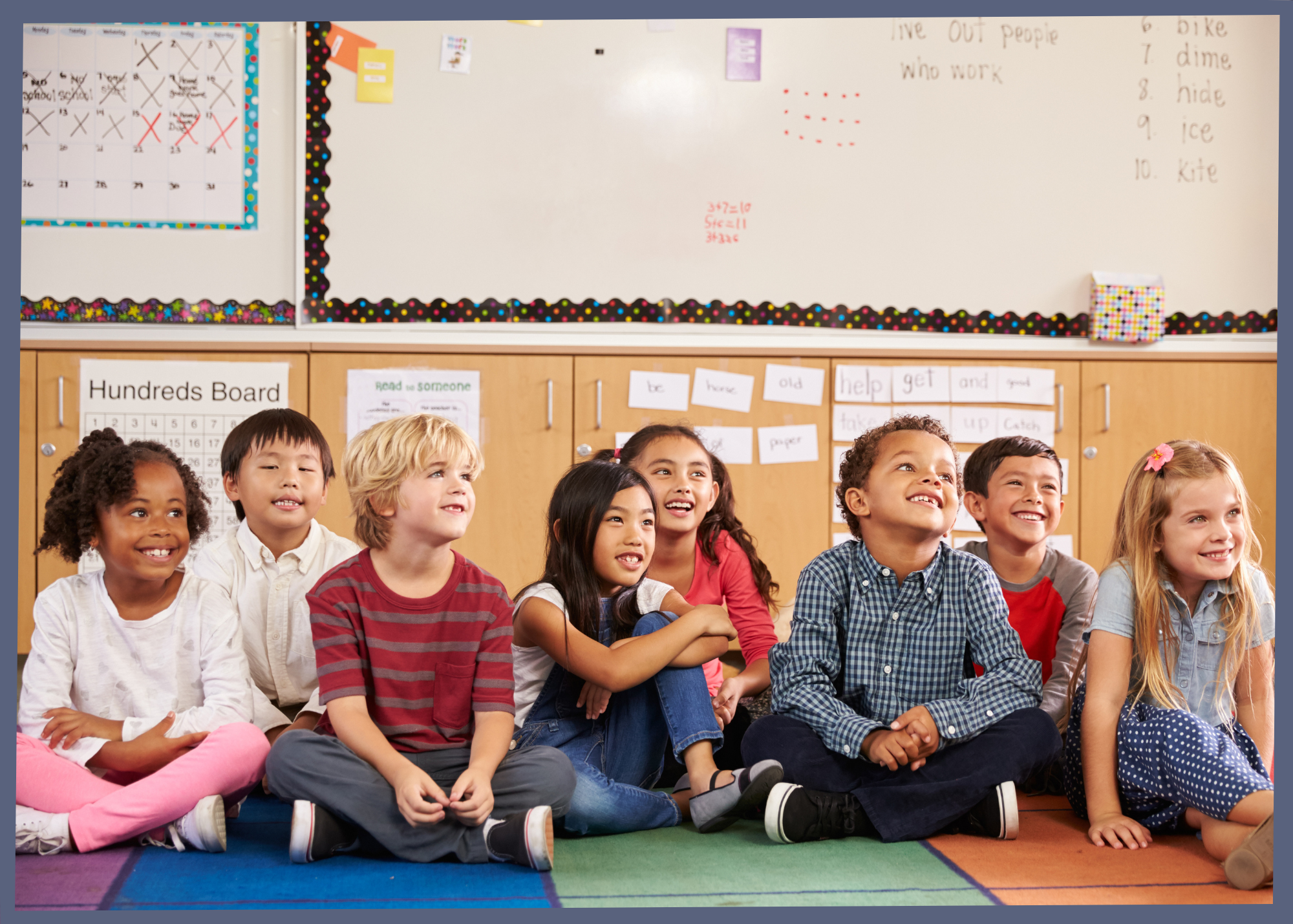
In conclusion, prioritising emotional intelligence in your teaching approach can greatly enhance your interactions with students and create a more supportive learning environment. By developing self-awareness, practising empathy, and improving your social skills, you can boost your teaching skills and positively impact academic outcomes.
Start implementing these strategies today to see immediate results in your classroom. Remember, the key to effective teaching lies in understanding and connecting with your students on an emotional level.
As educator Daniel Goleman once said, “The underlying principles of emotional intelligence are the key to both personal and professional success.”
ENJOYED THIS? HERE ARE SOME OTHER BLOG POSTS ON KATIE IS A TEACHER YOU MAY LIKE:



WANT EVEN MORE? HERE ARE SOME KATIE IS A TEACHER RESOURCES YOU MAY BE INTERESTED IN:


 katieisateacher.com